
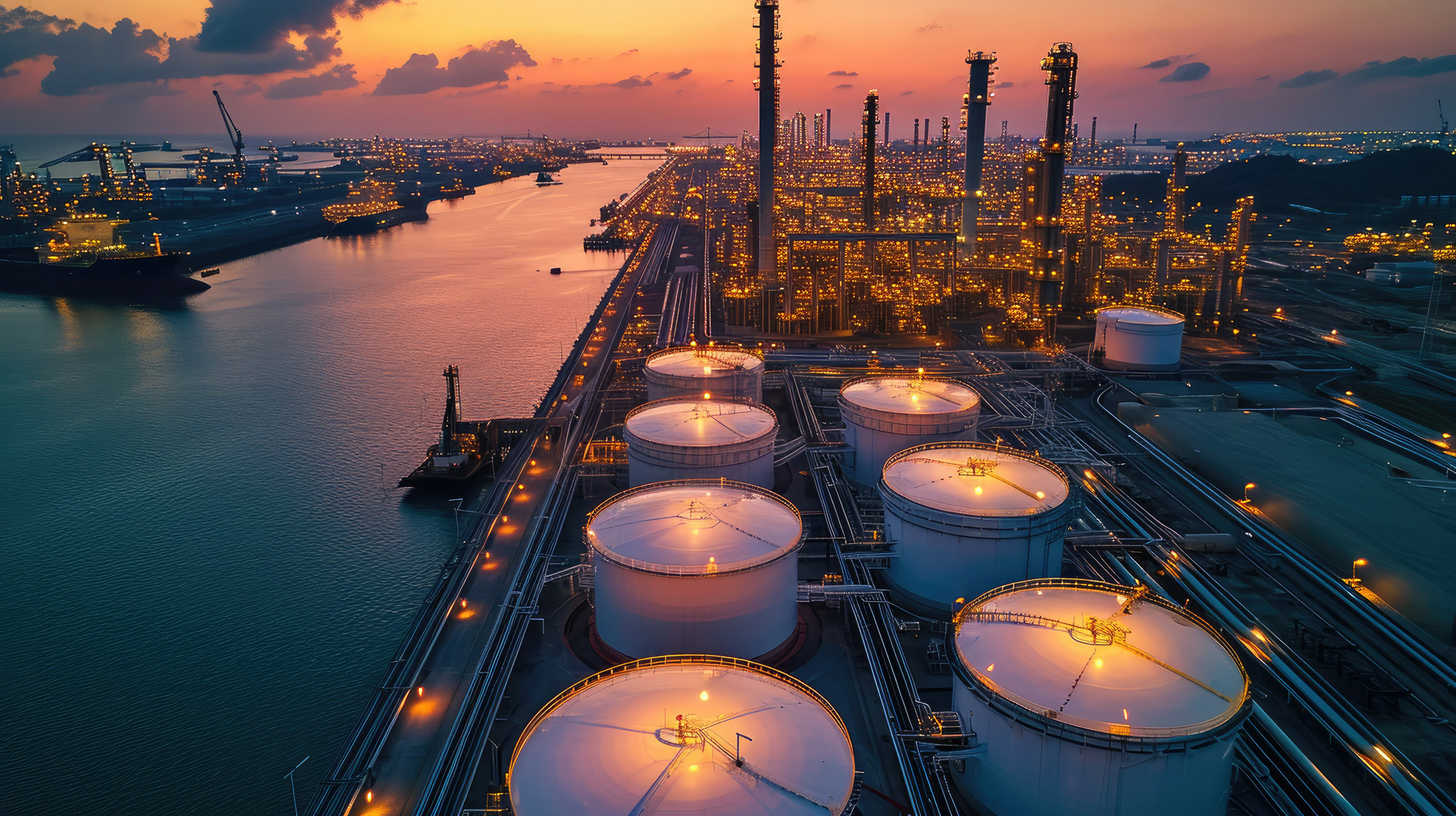
The crisis centers on the near-total collapse of transit through the Strait of Hormuz, compounded by Houthi attacks in the Red Sea that have left tankers like the Encelia and Layla damaged. While some vessels, including China’s Xin Long Yang, continue to navigate the danger zone, many operators are now forced to circumnavigate Africa. This logistics nightmare comes as OPEC+ signals its intent to unwind 2023 production cuts, planning to boost output by another 188,000 barrels per day in September despite the escalating security threats.
Energy volatility is further exacerbated by extreme climate and policy hurdles. In Europe, the Rhine’s water levels are expected to hit a record low of 30cm by August, threatening to paralyze fuel deliveries across Central Europe. Simultaneously, QatarEnergy has extended its force majeure on LNG shipments through October. These disruptions, coupled with new U.S. sanctions on Cuba and the EU’s 21st sanctions package against Russia, create a precarious environment where traditional supply routes and established trade agreements are rapidly fraying.
Comments (0)
No comments yet. Be the first!