
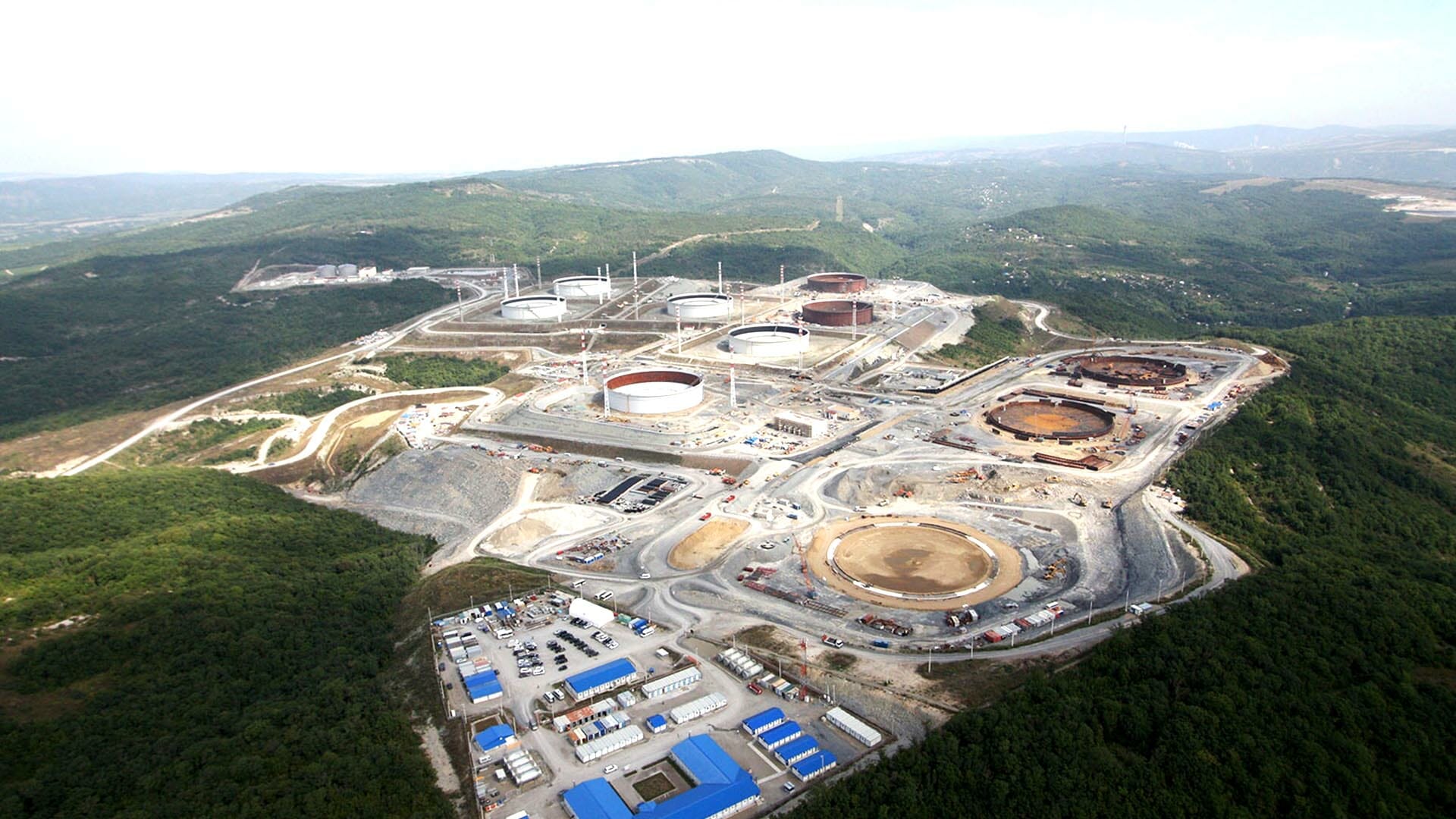
The Caspian Pipeline Consortium (CPC) serves as the primary artery for Kazakhstan’s energy sector, moving 1.7 million barrels per day from the Caspian basin to the Black Sea. This route, however, has become a liability. Repeated Ukrainian drone strikes on the Novorossiysk region and the resulting security threats to tankers have forced major operators, including ExxonMobil and Chevron, to suspend operations. By late July, the terminal had effectively ceased accepting crude, leaving European refiners—who rely on the CPC for roughly 15% of their imports—scrambling for alternatives.
Kazakhstan lacks viable substitutes for this bottleneck. The Atyrau–Samara pipeline remains tethered to Russian infrastructure, while the route through the Caspian Sea to Azerbaijan is limited by shallow waters and a shortage of specialized tankers. Even if regional expansion plans for the Trans-Caspian corridor reach their 2027 targets, they would only replace a fraction of the lost CPC volume. Compounding these export woes, domestic production is faltering. Major fields like Karachaganak have been forced to curb output due to strikes on Russian gas processing plants, while Tengiz has suffered from persistent operational failures. For a country where oil revenues support half of the state budget, the fragility of these aging, war-exposed connections has turned a potential geopolitical advantage into a deepening economic crisis.
Comments (0)
No comments yet. Be the first!