
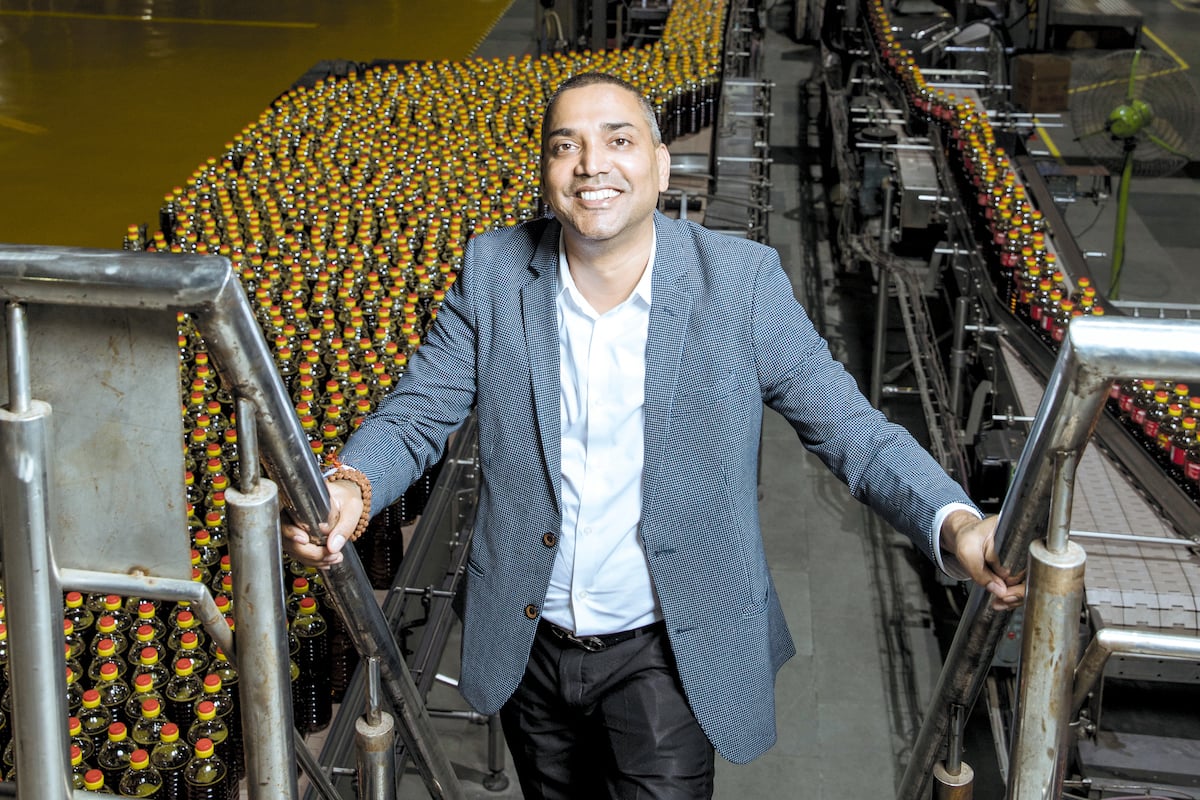
Khandelwal, who joined the company in 2024, is steering Haworth India toward market leadership by moving away from transactional sales toward a customer-centric, solutions-based model. The company has outpaced industry growth rates for 18 months, fueled by a surge in demand for flexible, ergonomically designed furniture and specialized pods. This segment is currently seeing a year-on-year growth of 20–30 percent as organizations prioritize productivity and employee wellbeing.
Scaling for the Indian market
Expansion is moving beyond traditional Tier 1 hubs like Delhi and Mumbai. Haworth is actively strengthening its dealership network in secondary cities such as Kochi, Coimbatore and Ahmedabad to tap into decentralized growth. To remain competitive, Khandelwal is doubling down on localization, leveraging a planned second manufacturing plant to reduce costs while maintaining the standards of Haworth’s global design portfolio, which includes heritage brands like Poltrona Frau and Cassina.
Beyond basic office utility, the company is integrating neurodiversity into its design philosophy. Khandelwal emphasizes that modern workspaces must account for acoustics, lighting and sensory comfort to support all employees. By utilizing pods with circadian lighting and creating tactile showroom experiences, the firm aims to build environments that foster inclusion. As artificial intelligence shifts human labor toward ideation and problem-solving, Khandelwal believes the physical office must evolve into a space that facilitates these high-value interactions, proving that the most effective way to address the future of work is to build it.
Comments (0)
No comments yet. Be the first!