
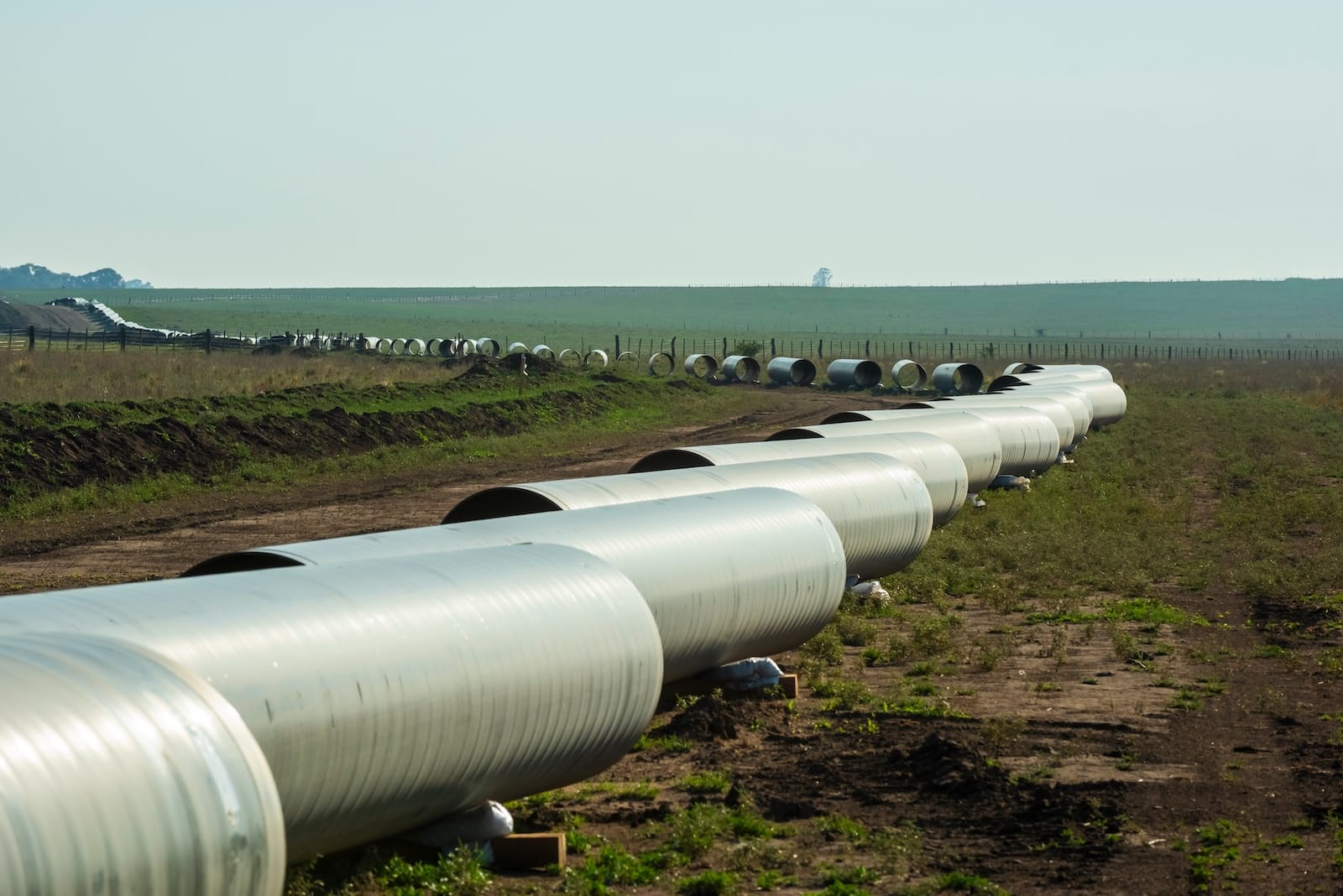
For the first half of 2026, the Permian's natural gas market faced a severe glut. With oil-directed drilling driving record production, the lack of takeaway capacity left operators with no viable path to market, leading to a record low spot price of -$7.95 per MMBtu at the Waha hub in April. This forced companies to flare excess gas or pay third parties to haul it away, a stark departure from national benchmarks like the Henry Hub.
The recovery is being driven by the expansion of the Gulf Coast Express Pipeline and the operational launch of Energy Transfer’s Hugh Brinson Pipeline. While these projects provide a necessary outlet toward East Texas and Gulf Coast demand centers, they offer only partial relief. According to Aegis Hedging, producers who had previously curtailed volumes or shut in wells are now beginning to bring that supply back online.
Despite this progress, the path to market equilibrium remains uncertain. The Dallas Fed Energy Survey indicates that while many executives expect bottlenecks to clear by the first quarter of 2027, a significant portion of the industry remains skeptical, with some predicting persistent constraints through 2028. Further complicating the outlook is the potential for sustained high oil prices, which could trigger a fresh surge in drilling and immediately overwhelm the new capacity. With nearly 30 Bcf/d of new pipeline infrastructure slated for Texas by 2027, the region is in a race to align its takeaway capacity with the relentless output of its oil-focused wells.
Comments (0)
No comments yet. Be the first!