
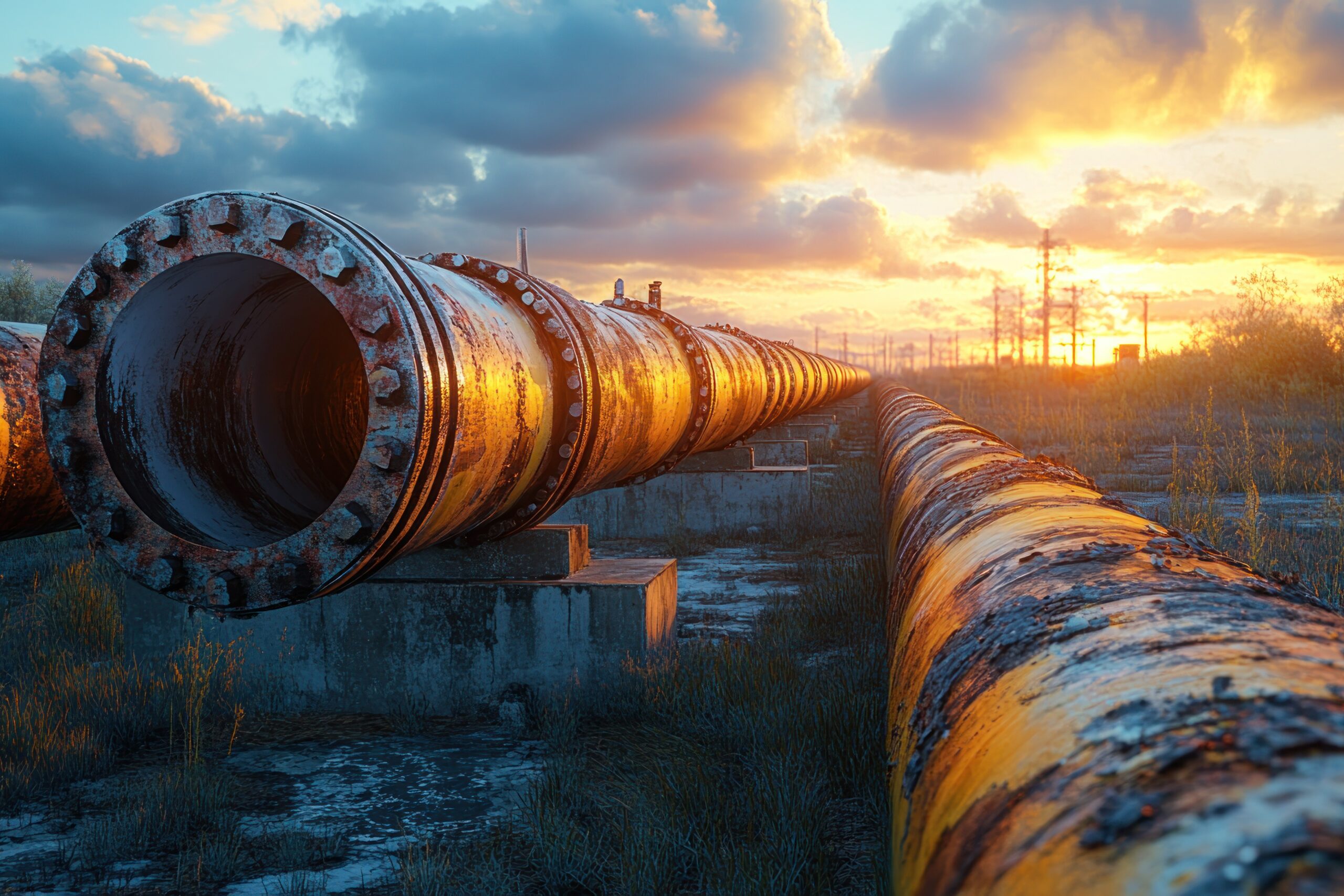
Alberta Premier Danielle Smith envisions the pipeline originating in Hardisty and traversing Saskatchewan, Manitoba, and northern Ontario. The infrastructure would initially transport 500,000 barrels per day, with the capacity to scale to 800,000. For Ontario Energy Minister Stephen Lecce, the necessity is clear: half of the province's oil imports currently depend on U.S. pipelines, leaving supply chains exposed to foreign political shifts.
Prime Minister Mark Carney has framed the initiative as a partnership, promising Indigenous communities a significant ownership stake. This collaborative approach marks a departure from previous failed attempts, which stalled under the weight of cabinet-level threats and fierce opposition from environmental groups. While British Columbia Premier David Eby has signaled a willingness to negotiate provided there are robust environmental safeguards, skeptical voices remain. Critics point to the fiscal burden of the Trans Mountain project, which suffered massive cost overruns, and argue that new fossil fuel infrastructure contradicts Canada’s long-term climate commitments. For coastal leaders like Marilyn Slett, president of the Coastal First Nations, the primary concern remains the permanent risk of spills, even as the government pledges to maintain existing tanker-loading bans.
Comments (0)
No comments yet. Be the first!