
Temporomandibular joint disorder, or TMJ, stems from repetitive muscle strain that can damage tooth structure and bite alignment. To address this, Botox therapy targets overactive masseter muscles, effectively reducing clenching intensity without disrupting daily speech or chewing. These injections typically provide relief for three to six months, offering a flexible, non-invasive method for managing muscle stiffness.
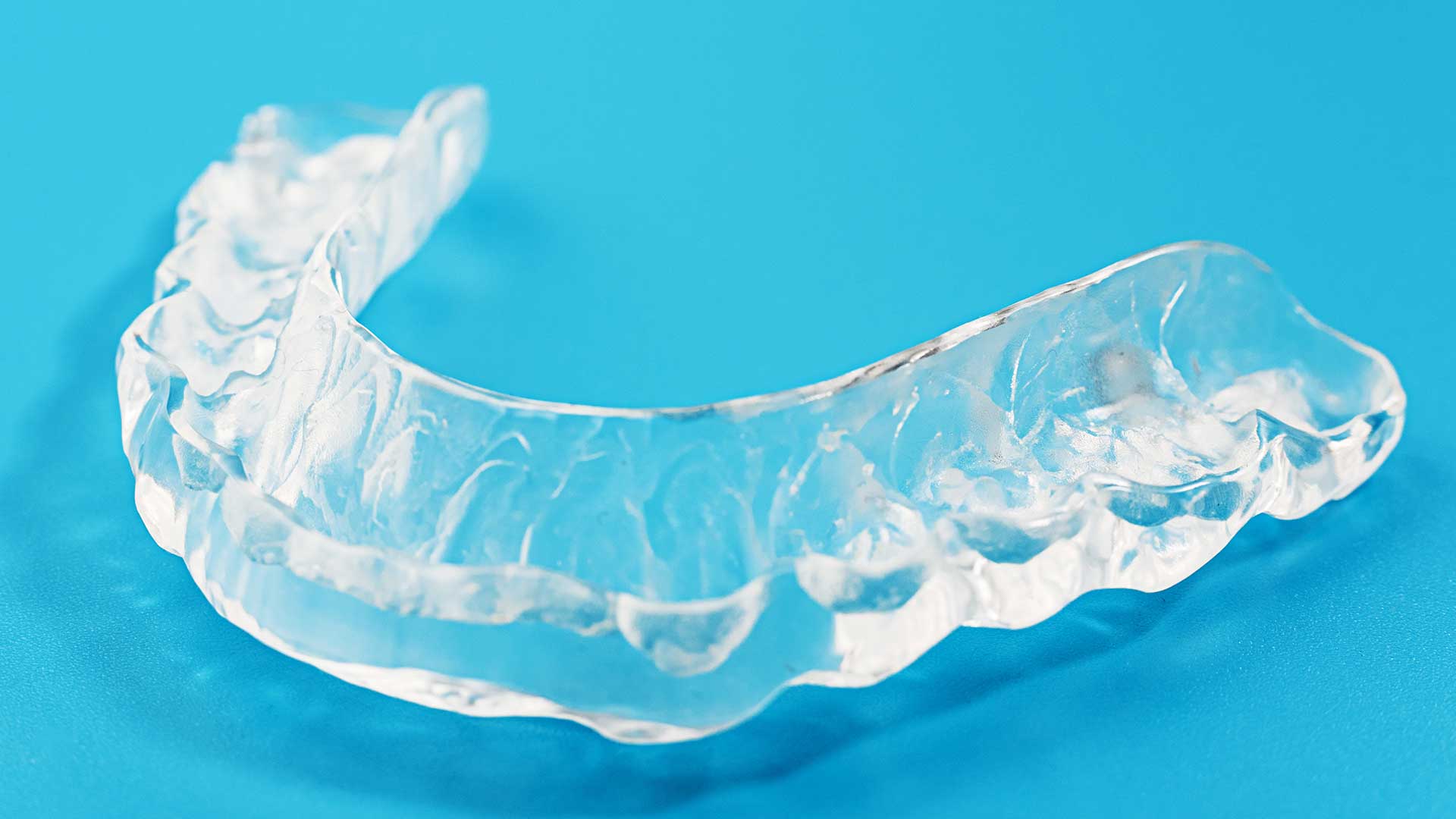
Custom night guards serve as a secondary line of defense. By creating a protective barrier between the teeth during sleep, these devices shield enamel from the physical wear of grinding and distribute pressure away from the joint. At Garner & Nichols Dental, practitioners utilize digital impressions to ensure a precise fit, replacing traditional molds to increase patient comfort and long-term device efficacy.
While Botox relaxes the jaw and the guard protects the teeth, the two methods are most effective when used in tandem. Dr. Nichols emphasizes that treatment plans remain highly individualized; a comprehensive dental examination is essential to determine whether a patient requires muscle-targeted therapy, mechanical protection, or a combination of both. Early intervention remains the most reliable way to prevent the cracked teeth and shifting bites that often accompany untreated TMJ.
Comments (0)
No comments yet. Be the first!