
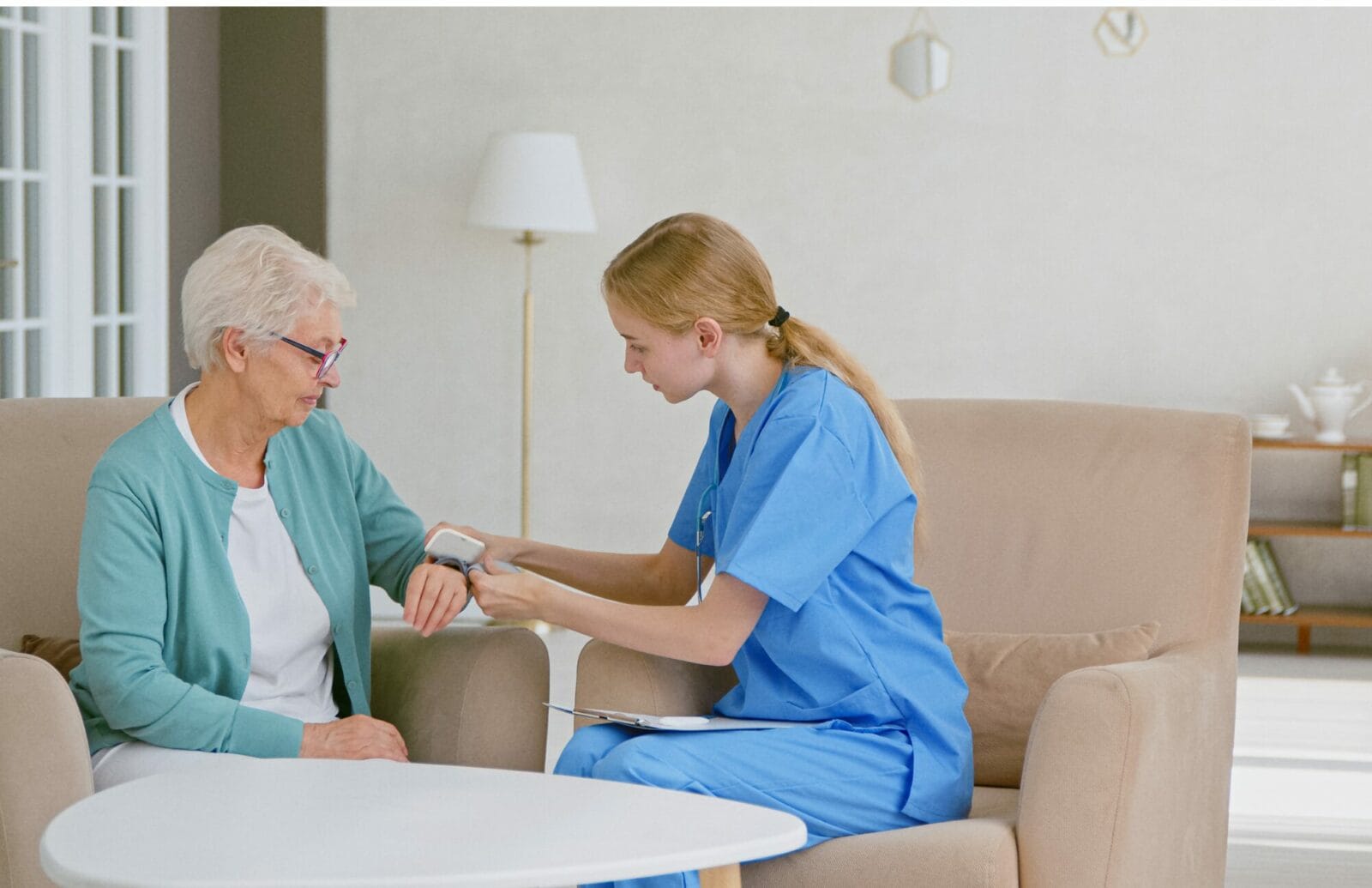
The transition to skilled nursing care is rarely triggered by a single event. Instead, it typically emerges when multiple health factors converge to compromise a patient's safety. Mobility issues, such as instability or frequent falls, often serve as the first warning sign, necessitating an environment equipped with structured rehabilitation and constant supervision. Beyond physical movement, the complexity of managing chronic conditions—specifically regarding medication adherence—frequently exceeds the scope of home care. Trained professionals in skilled nursing facilities ensure consistent administration, preventing the complications that arise from missed doses or incorrect usage.
Post-hospital recovery and advanced wound care represent further turning points where home environments may prove insufficient. Surgical recovery or the treatment of diabetic ulcers requires clinical precision to mitigate infection risks and promote healing. Furthermore, when cognitive changes like memory loss or behavioral shifts create an unsafe living space, the structured environment of a skilled nursing facility provides the stability necessary to prevent accidents. By identifying these progressive needs early, families can alleviate the mounting physical and emotional strain of caregiving while ensuring their loved ones receive comprehensive, coordinated health management.
Comments (0)
No comments yet. Be the first!