
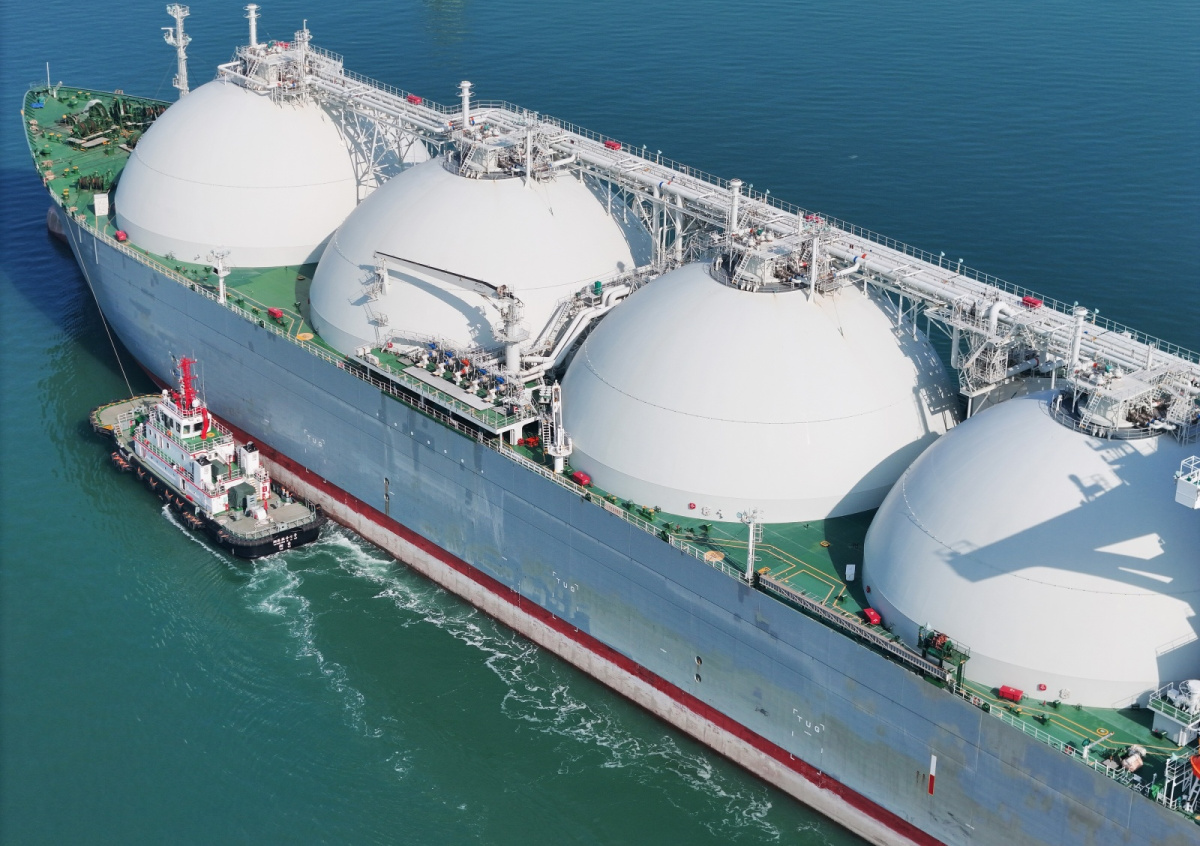
Data from Kpler confirms that five ballast LNG tankers recently entered the chokepoint, with four vessels tied to Qatar and one managed by a Greek firm. These movements follow a period of heightened instability during which at least four tankers aborted their journeys due to the threat of Iranian strikes. The situation remains fluid, as 14 additional vessels currently wait at anchor outside the Qatari hub of Ras Laffan, weighing the risks of entry against the necessity of global delivery schedules.
Broader maritime traffic persists despite the volatility. According to Japanese government figures, 22 vessels with links to Japan, including six crude oil tankers, successfully traversed the strait between July 7 and July 9. These movements occur in the wake of direct military confrontations that saw Iran strike commercial vessels, followed by U.S. retaliation against land targets and subsequent Iranian attacks on Kuwait and Bahrain. While some operators continue to execute U-turns to avoid the conflict zone, the consistent flow of energy exports from Ras Laffan and the Emirati Das Island terminal highlights the critical, if perilous, reliance on this maritime artery.
Comments (0)
No comments yet. Be the first!