
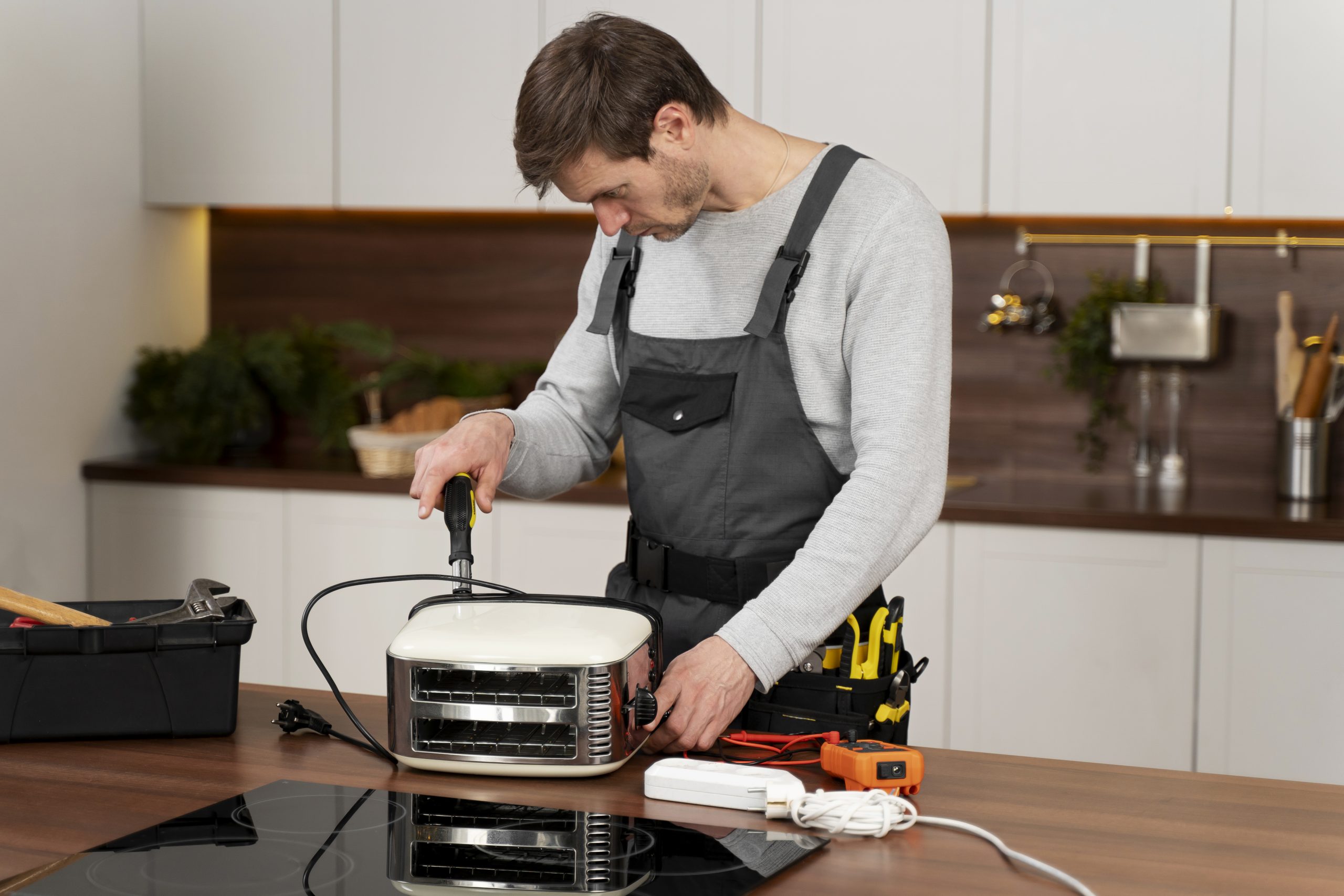
The most reliable metric for this decision is the fifty percent rule. If the cost of a repair exceeds half the price of a brand-new unit, replacement is almost always the more practical path. Investing heavily in an aging machine rarely guarantees future reliability, and the cumulative cost of repeated service calls often eclipses the price of a modern, efficient upgrade.
Age and maintenance history remain vital indicators of a unit’s remaining utility. Most household appliances are designed for a lifespan of ten to fifteen years; once a machine nears this threshold, the likelihood of cascading mechanical failures increases significantly. Even if a unit has been well-maintained, the lack of modern energy-saving technology in older models can lead to inflated utility bills. Conversely, if a repair is minor and the appliance is relatively young, replacing individual components can effectively extend the machine's life without the expense of a full replacement. Ultimately, checking warranty status and consulting a professional before committing to a costly service visit ensures that homeowners avoid sinking money into equipment that is nearing the end of its functional life.
Comments (0)
No comments yet. Be the first!