
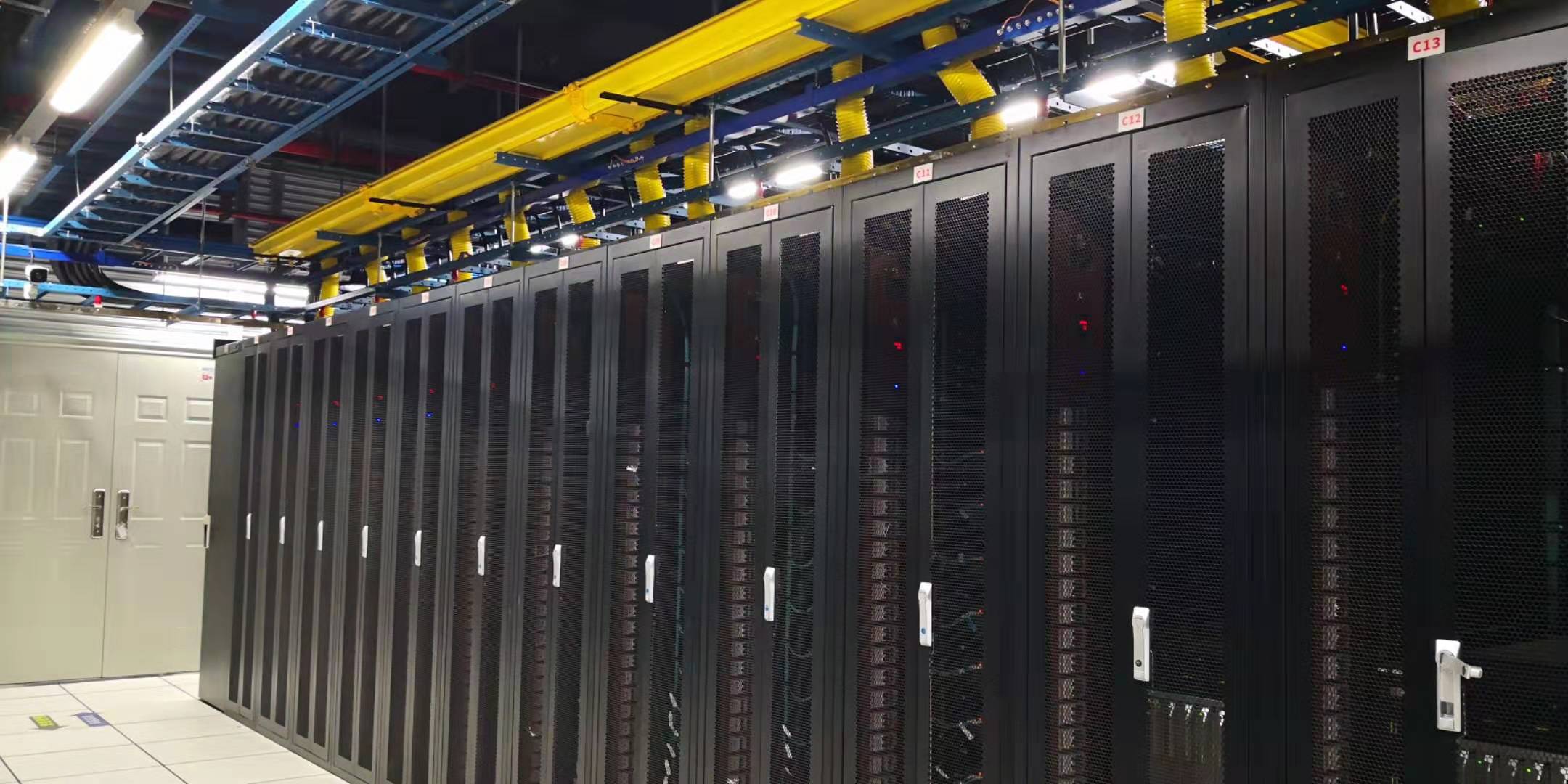
The breakthrough, scheduled for commercial deployment in Q3 2026, relies on a proprietary design that brings latency within 8% of the physical limit for light traveling through fiber. Rather than treating remote data centers as linked silos, the WhiteFiber architecture treats them as a single logical entity. This approach enables enterprises to scale AI workloads beyond the physical footprint of a single facility, offering new possibilities for sovereign AI, edge computing, and large-scale telecommunications.
Development of the system involved a deep technical partnership with DriveNets, which supplied the high-performance network fabric, and WEKA, which provided the underlying data and memory infrastructure. CEO Sam Tabar noted that the project effectively removes geographic distance as a primary constraint on high-performance computing. While current results utilize only a portion of the available fiber spectrum, the company plans to conduct full-fiber lighting tests ahead of the official launch next year.
Comments (0)
No comments yet. Be the first!