
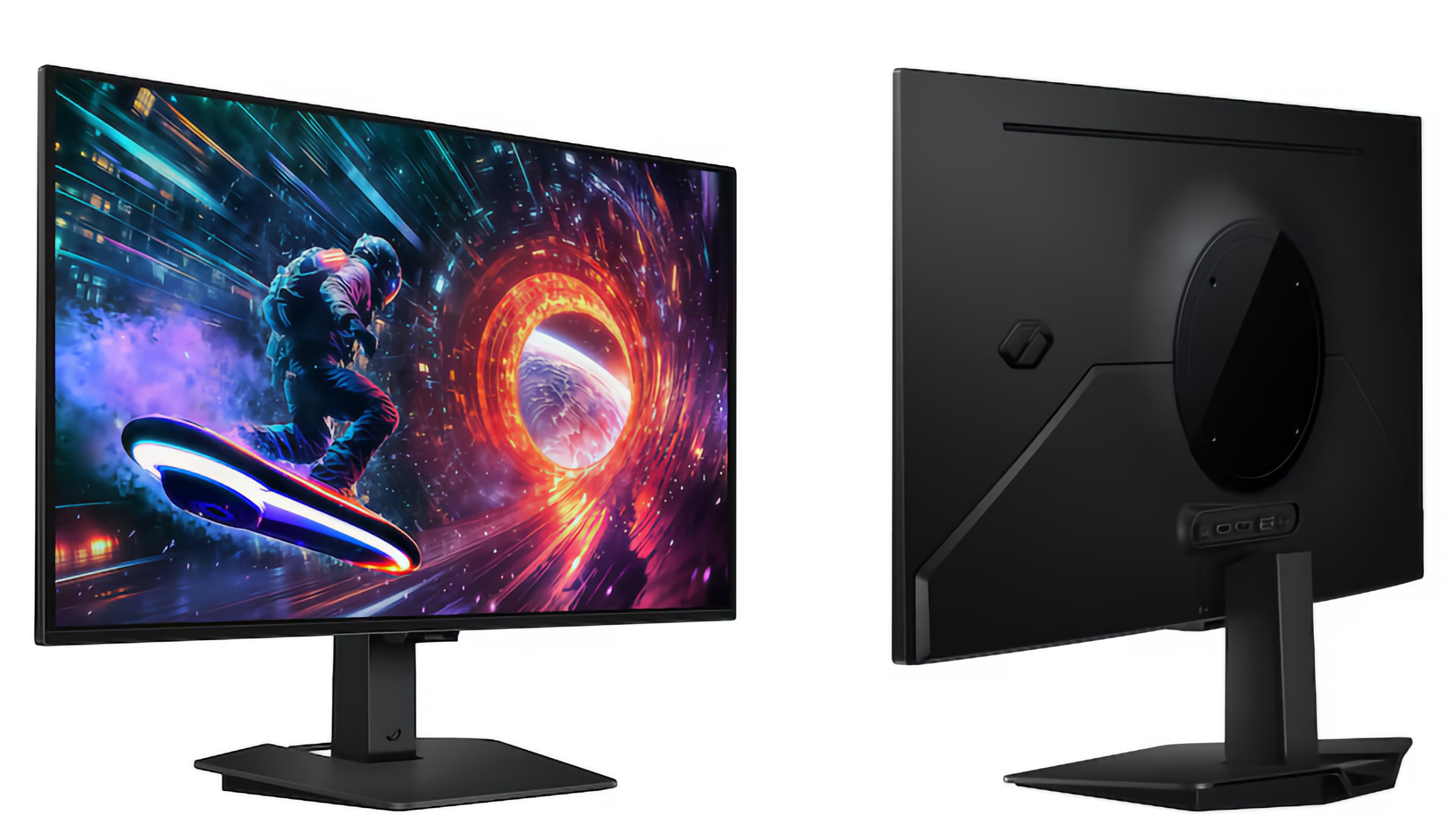
The experiment required participants to play an FPS game at 60Hz, 240Hz, 360Hz, and 480Hz. Results showed that hit scores improved by 38% at the 480Hz peak compared to the 60Hz baseline. While performance gains plateaued slightly after 240Hz, the jump to 480Hz still provided an additional 10% increase in success rates. Beyond raw statistics, players reported improved tracking of moving targets and smoother overall visuals.
These gains stem from the inherent properties of OLED technology, specifically the reduction of motion blur and input lag. At 480Hz, input latency dropped by more than 10 milliseconds compared to 60Hz. This technical improvement allows players to identify and track enemy positions with greater precision. The company intends to leverage these findings to expand its high-refresh-rate Gaming OLED lineup, building on the momentum of its 27-inch 540/720Hz (DFR) panel, which recently secured the Display of the Year award from the Society for Information Display.
Comments (0)
No comments yet. Be the first!