
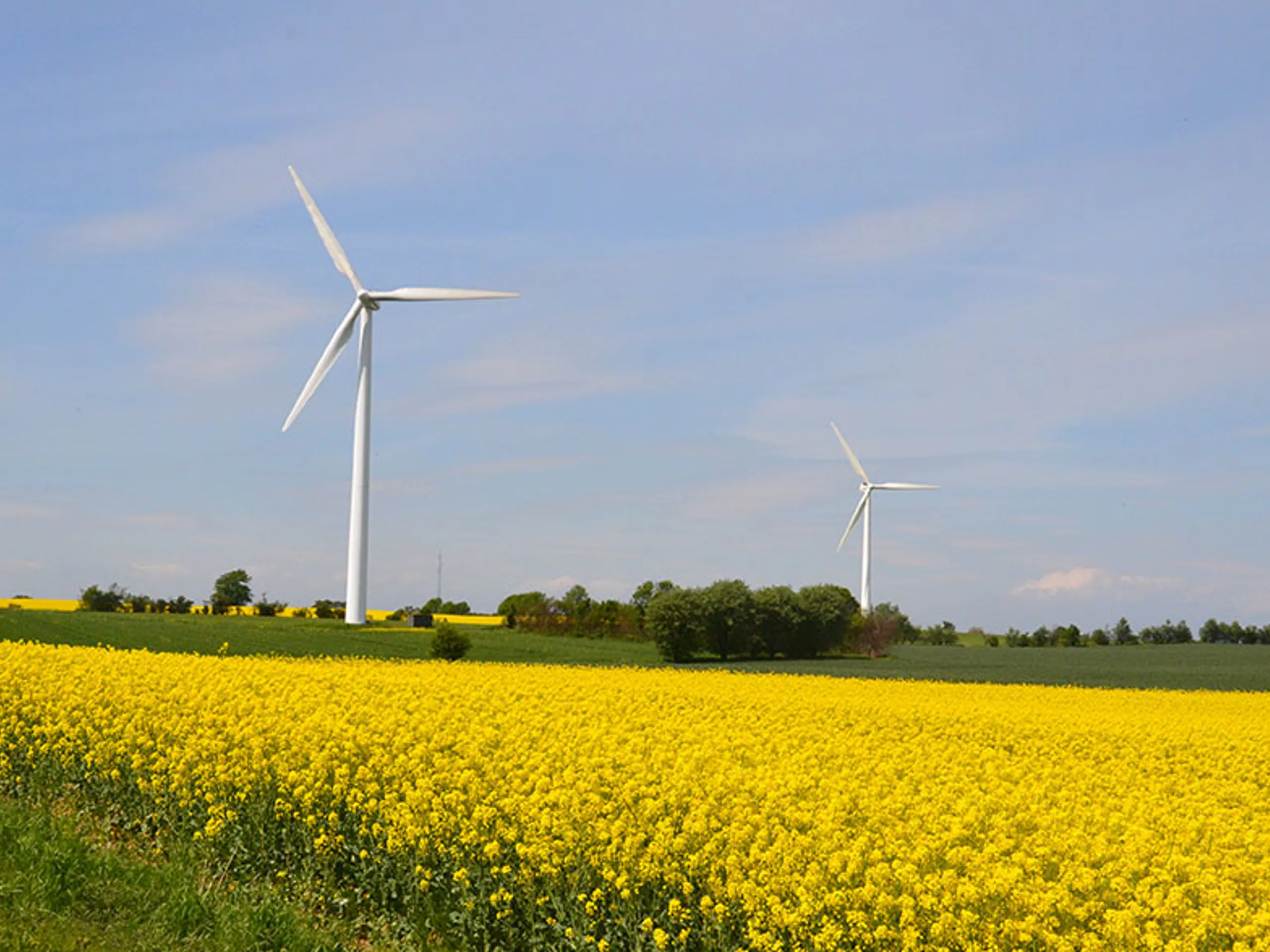
Capital expenditures reached $74 billion in the first half of 2026, signaling a resilient market that persists regardless of legislative rollbacks. Crux CEO Alfred Johnson noted that investment levels remain significant, sustained by the immediate economic necessity of energy security. This pivot is largely fueled by the insatiable electricity requirements of hyperscale data centers and artificial intelligence, which prioritize the rapid deployment of renewables and battery storage over slower fossil fuel infrastructure.
NextEra Energy CEO John Ketchum recently emphasized that wind and solar, paired with storage, represent the fastest path to expanding grid capacity. This sentiment is shared by international investors like Portugal’s EDP, which is allocating $5.3 billion toward U.S. projects over the next three years. The strategy centers on co-locating battery storage with solar farms, allowing operators to arbitrage wholesale prices by capturing excess energy for peak demand periods.
This infrastructure shift is occurring at a blistering pace. Utility-scale battery storage capacity has grown at an average of 70 percent annually, reaching 52 gigawatts today. With grid operators planning to add another 54 gigawatts by 2028, the nation’s storage capacity is projected to double again by 2030. While China currently leads the global buildout, the European Union is simultaneously moving to triple its storage capacity to insulate against energy market volatility, confirming that the transition is a worldwide economic imperative rather than a localized policy trend.
Comments (0)
No comments yet. Be the first!