
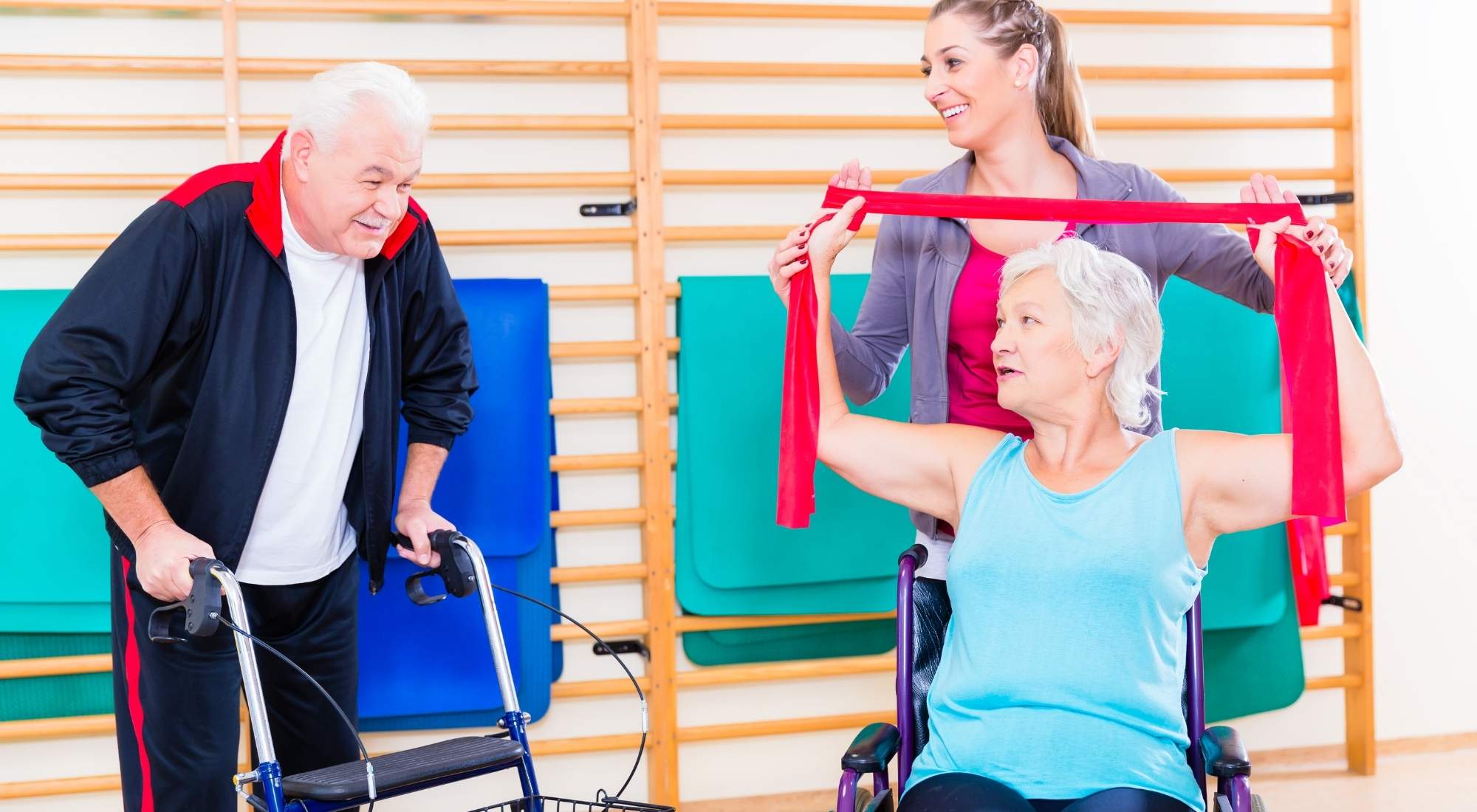
For many older adults, the fear of falling creates a restrictive cycle of inactivity that ironically accelerates muscle loss and further increases the risk of injury. Nicole Swiatek, an Amherst-based physical therapist, emphasizes that this decline is not an inevitable consequence of aging. Her approach centers on proactive physical conditioning, utilizing simple, consistent drills—such as practicing balance while brushing teeth or engaging in supervised walking exercises—to prime the body for sudden weight shifts.
Beyond exercise, environmental awareness serves as a critical defense. Most falls occur within the home, where loose rugs, poor lighting, and cluttered walkways present avoidable hazards. Swiatek advises installing grab bars and ensuring footwear provides adequate traction, particularly during the winter months when ice becomes a daily concern. Medication management and routine vision checks also play vital roles, as side effects like dizziness or impaired depth perception can often be addressed through professional consultation. By integrating these small, practical safety measures with a tailored movement program, seniors can navigate Buffalo’s winters with significantly reduced risk.
Comments (0)
No comments yet. Be the first!