
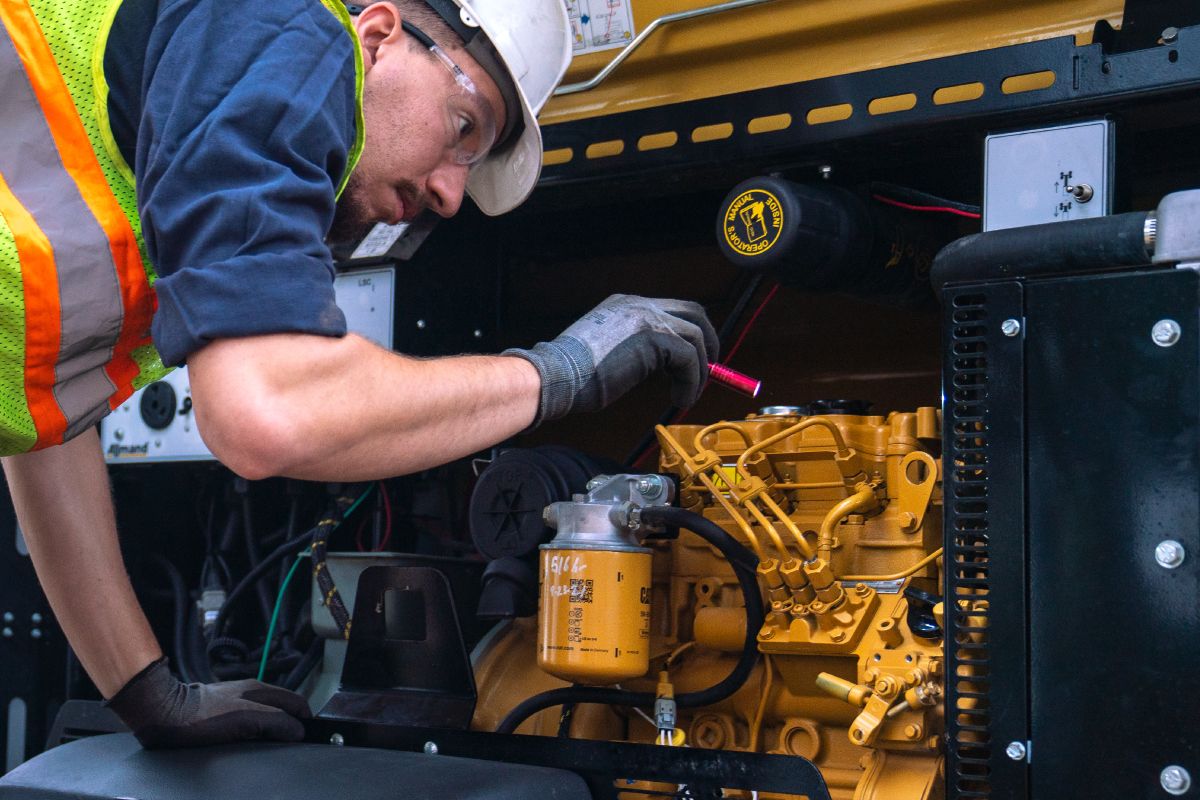
Diesel engines are engineered for durability, yet their longevity hinges on a rigorous maintenance schedule tailored to local conditions. According to Taylor Pettitt of Brown's Service Center, the most fundamental requirement is frequent oil changes. Because diesel units operate under higher compression, they produce more soot and contaminants than gasoline engines, necessitating cleaner lubrication to protect internal parts from premature degradation.
The fuel and air systems require equal attention to mitigate risks from Maryland’s humidity. Replacing fuel filters is vital to prevent moisture and debris from damaging sensitive injectors and pumps. Simultaneously, maintaining clean air filters ensures an optimal air-to-fuel ratio, which preserves power and fuel efficiency. Neglecting these elements can lead to clogged systems that struggle under heavy loads.
Beyond basic fluids, cooling and drivetrain systems act as the engine’s safety net. Diesel engines generate significant heat, making regular coolant checks and system flushes non-negotiable for preventing overheating during summer months. For those using vehicles for towing or commercial work, fluid changes in the transmission and drivetrain are necessary to manage increased mechanical strain. While a standard service interval falls between 5,000 and 7,500 miles, Pettitt notes that heavy usage often demands more frequent professional inspections to avoid costly repairs.
Comments (0)
No comments yet. Be the first!