
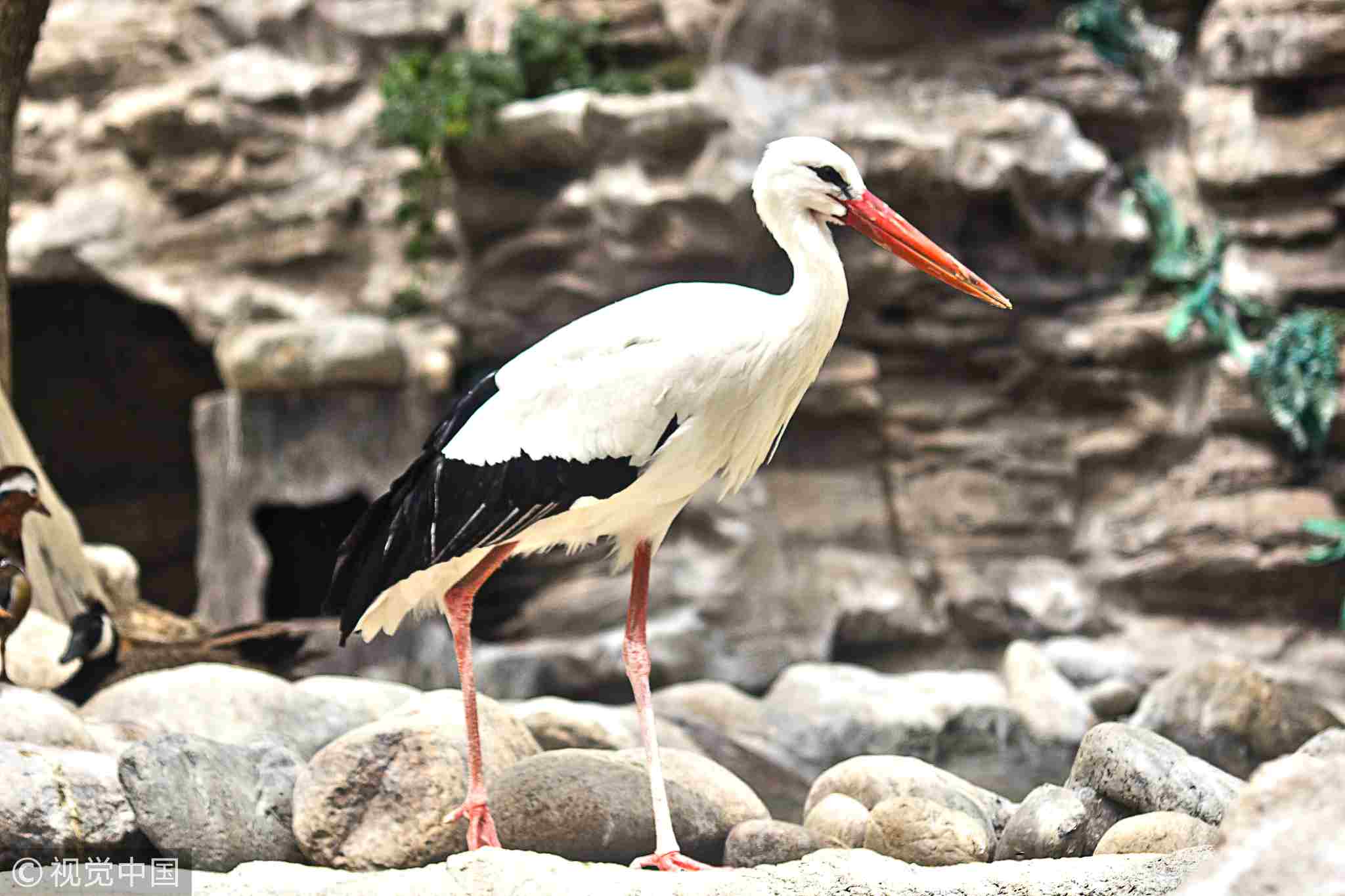
For Chen Hanbo, director of the reserve, the arrival of the endangered stork serves as a tangible metric of success. Over the past 14 years, his team has expanded the local mangrove footprint from 1,000 to 1,140 hectares, while the number of recorded bird species has nearly doubled. This progress relies on an integrated surveillance network that pairs ground-level patrols with the Beibu Gulf-1 satellite. Launched in October 2025, the satellite utilizes synthetic aperture radar to monitor water quality and forestry health, providing real-time data that traditional methods often miss.
This technological backbone extends to the city's power grid. The Fangchenggang Nuclear Power Plant, featuring domestically developed Hualong One reactors, has already supplied over 160 billion kilowatt-hours of electricity, significantly curbing carbon emissions. With Phase III of the project underway and massive offshore wind developments nearing completion, the city is positioning itself as a hub for green energy. Despite this rapid expansion, Fangchenggang has maintained a 7.8 percent average annual GDP growth, proving that stringent environmental protection and industrial development can coexist through careful coordination.
Comments (0)
No comments yet. Be the first!