
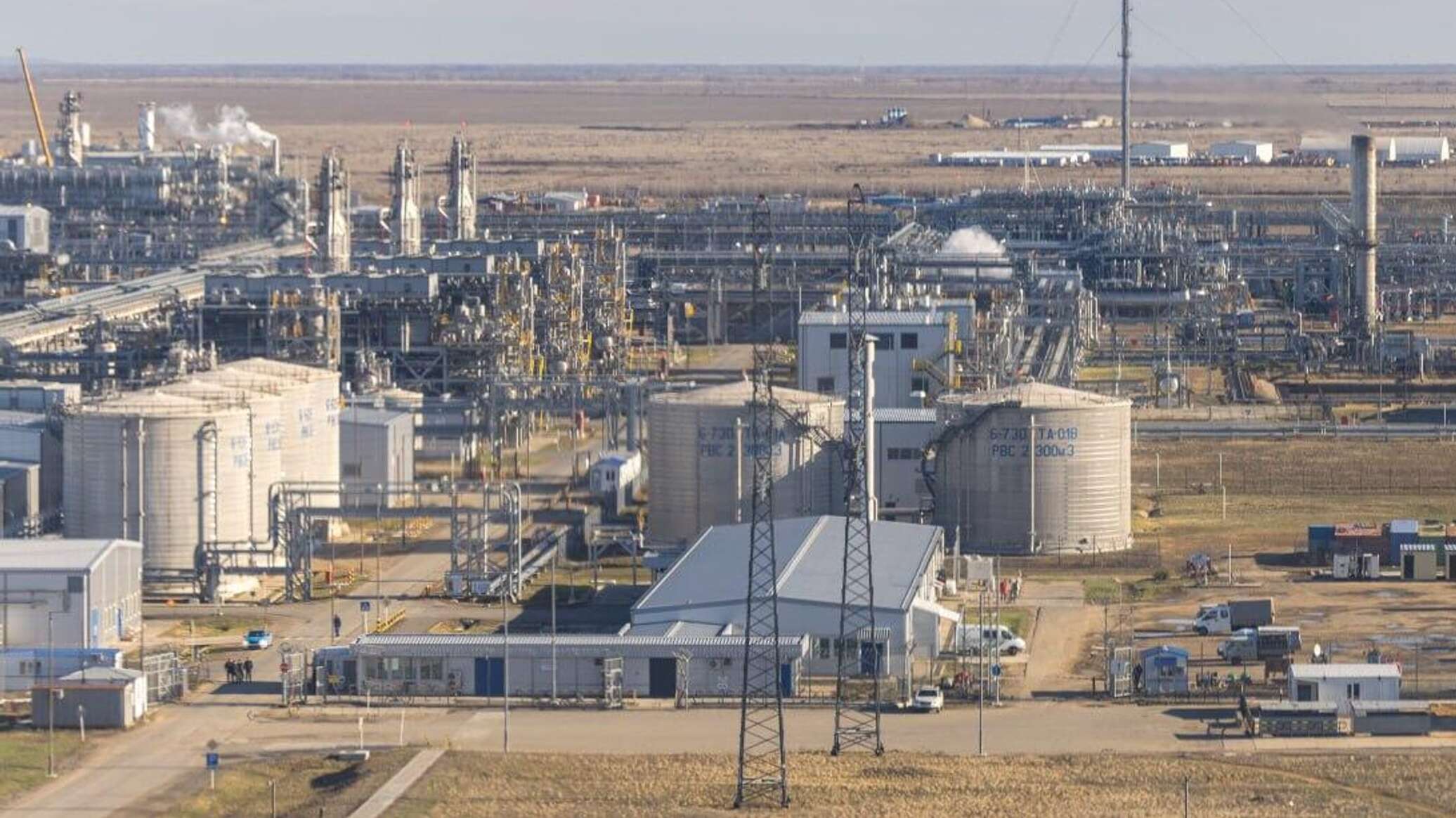
Daily production at the field has plummeted to approximately 25,000 metric tons, down from the 34,000 tons recorded before Thursday’s attack. While gas supplies to Kazakhstan remain stable, the operational bottleneck highlights the vulnerability of regional energy projects that rely on Russian processing capacity. This incident echoes a similar disruption in October 2025, when a previous strike on the same Orenburg complex forced a comparable slowdown.
The Karachaganak venture remains a critical asset for global energy majors, with Italy’s Eni and the UK’s Shell each maintaining a 29.25% stake. Chevron holds 18%, Russia’s Lukoil controls 13.5%, and the Kazakh national company KazMunayGas retains 10%. As Ukrainian forces intensify their campaign against Russian energy infrastructure, the ripple effects continue to complicate output for Central Asian producers integrated into these cross-border supply chains.
Comments (0)
No comments yet. Be the first!