
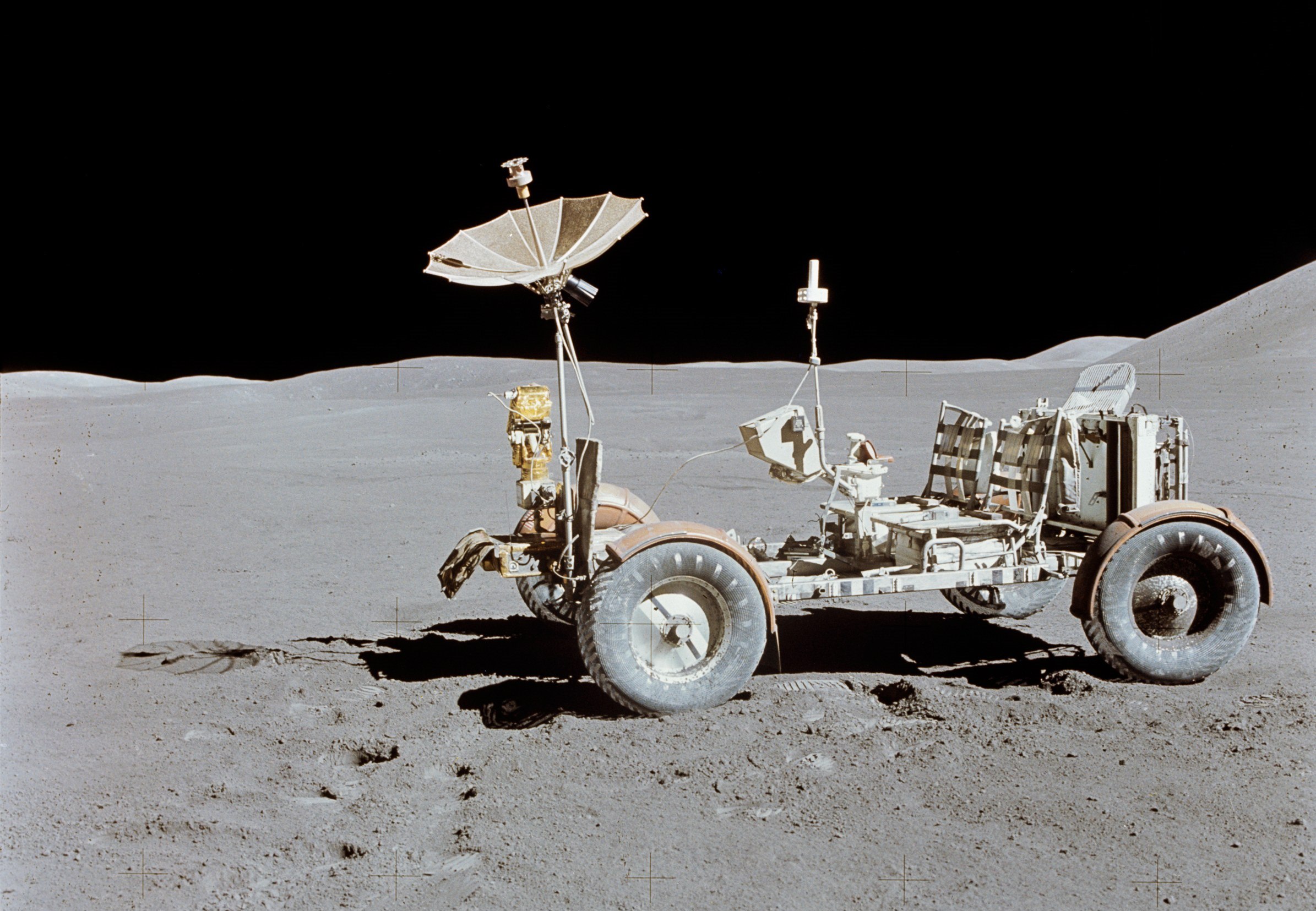
Traditional lithium-ion batteries rely on liquid electrolytes that risk freezing or catching fire under stress. By replacing these with solid materials, the SPEARS prototype survives the brutal conditions of the lunar South Pole, where temperatures plummet to minus 200 degrees Celsius. During recent vacuum testing, the unit remained operational at minus 80 degrees Celsius, with peak performance between minus 60 and 80 degrees Celsius.
While these batteries remain laboratory prototypes, the shift toward solid-state architecture offers a blueprint for the automotive industry. Beyond aerospace applications, the technology promises to mitigate range degradation for electric vehicles in frigid winters while enhancing overall charging speeds and safety. The move reflects a broader agency shift toward high-resilience energy systems, mirroring NASA’s recent collaboration with the Department of Energy on fission-powered spacecraft designed to extend the duration and reach of deep-space missions.
Comments (0)
No comments yet. Be the first!