
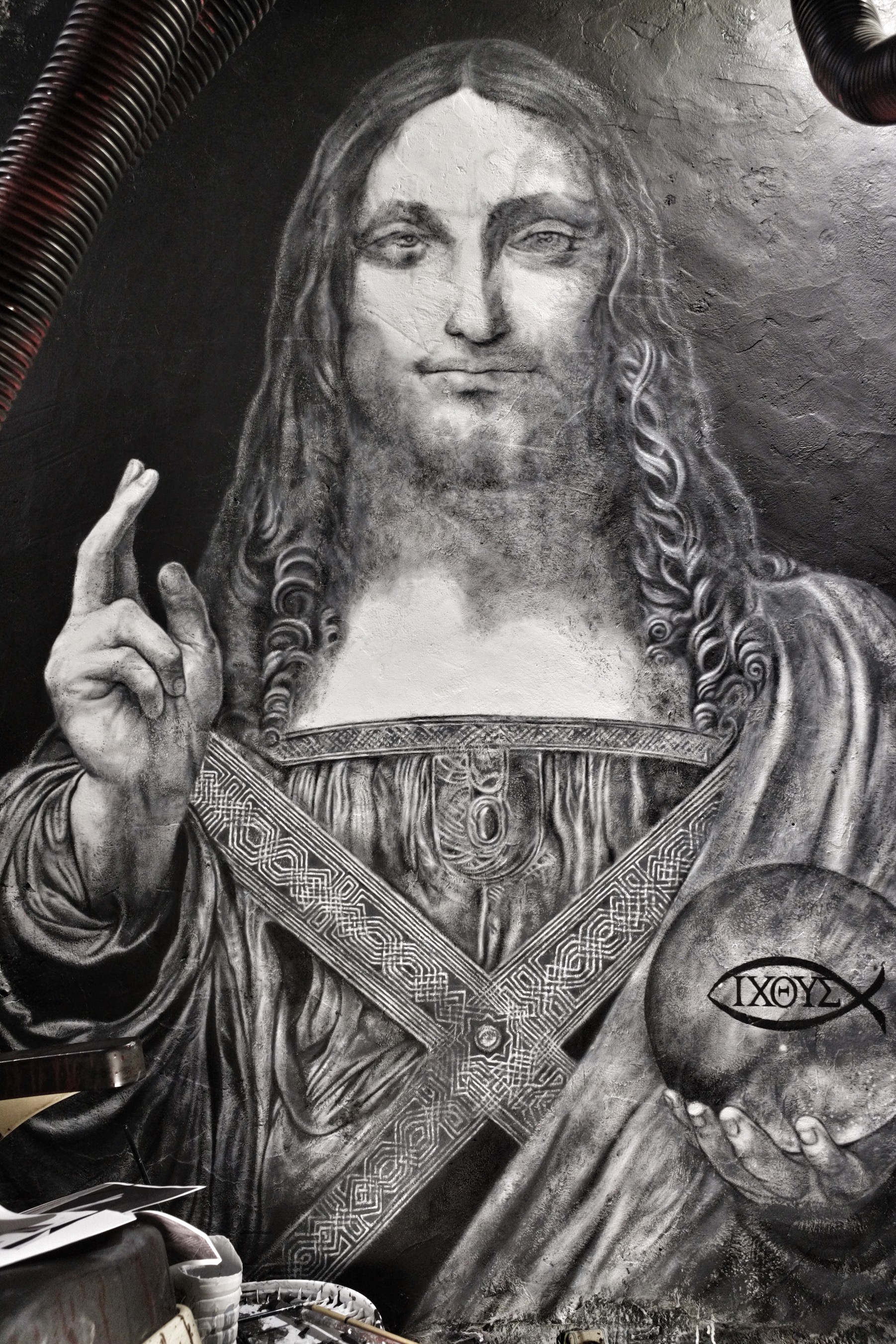
The release arrives during a period of intense industry friction, underscored by the controversial removal of Thélyson Orélien’s work from the Prix Goncourt selection over alleged AI usage. While many publishers respond to such incidents by imposing administrative restrictions and detector-based vetting, Ehrmann argues for a model of radical transparency. By distributing his Raw Typescript under an open license, he shifts the focus from the percentage of machine-generated text to the necessity of human editorial accountability.
Ehrmann maintains that his work is an exercise in cosa mentale—the primacy of the mind—where the human creator acts as an architect rather than a manual laborer. By submitting the manuscript to nine different AI systems for critical analysis, he invites readers to engage with the text as a discursive experiment. This approach stands in stark contrast to the growing reliance on probabilistic software to police creative output, a practice critics warn may unfairly penalize authors from non-Western or non-native linguistic backgrounds.
Comments (0)
No comments yet. Be the first!