
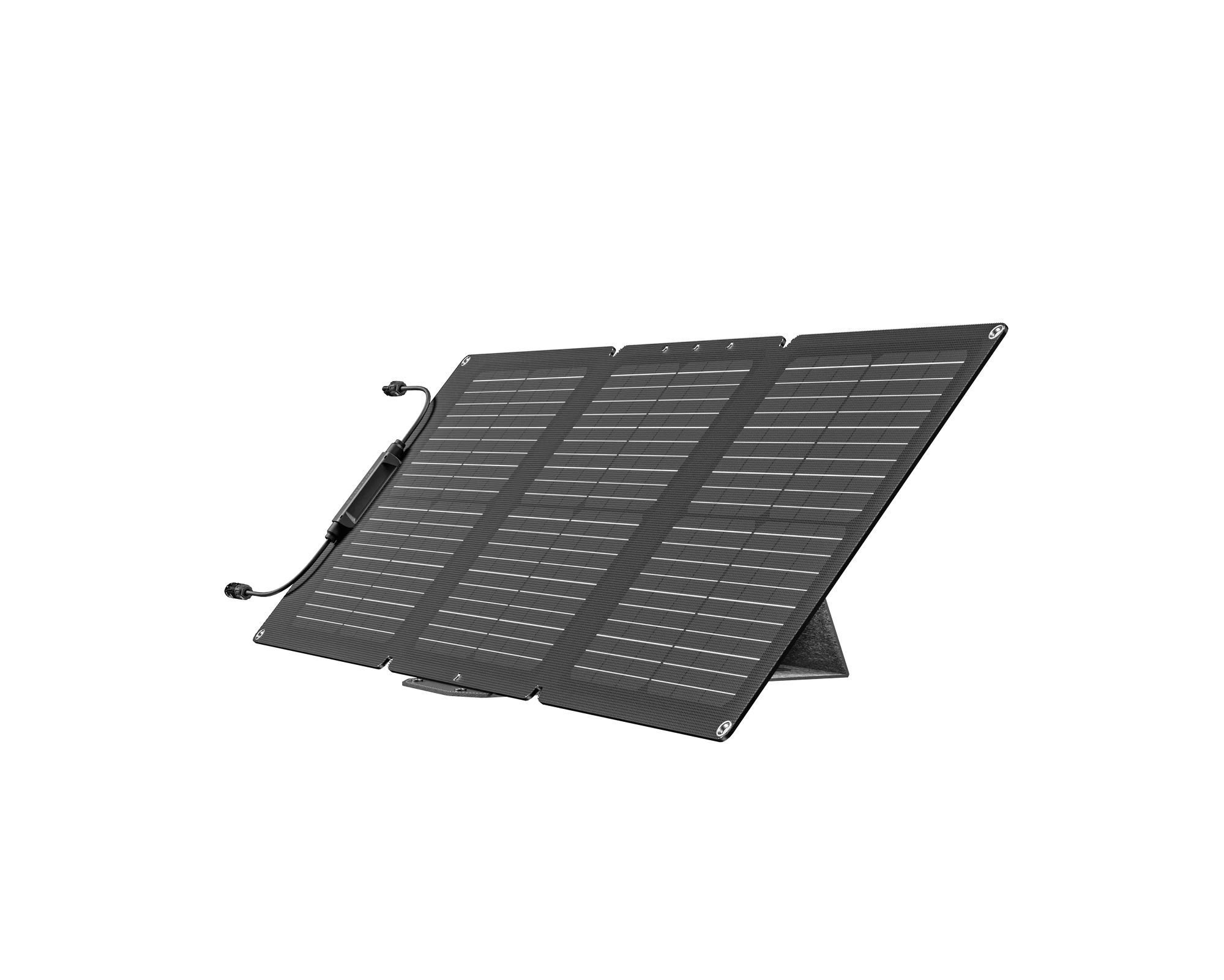
The company’s approach treats solar hardware like a standard home appliance, offering guidance on equipment selection, outlet compatibility, and utility notification protocols. Co-founders Jim Rice and Warren Juba emphasize that the initiative is built on transparency, aiming to lower the barrier to entry for residents who previously lacked the infrastructure or space for large-scale installations. While specific pricing and release dates remain pending, the startup is currently accepting interest registrations at its website without requiring upfront deposits.
Operations will align with Maryland’s 2026 portable solar legislation, which mandates that homeowners report safety features and generation capacity to their local electric utility before activation. PowerStead intends to assist pilot customers in navigating these regulatory requirements, ensuring their electrical setups meet state standards. The initial product lineup features the compact PowerStead Go system alongside larger configurations tailored for various residential layouts, with final specifications and pilot timelines expected in the coming months.
Comments (0)
No comments yet. Be the first!