
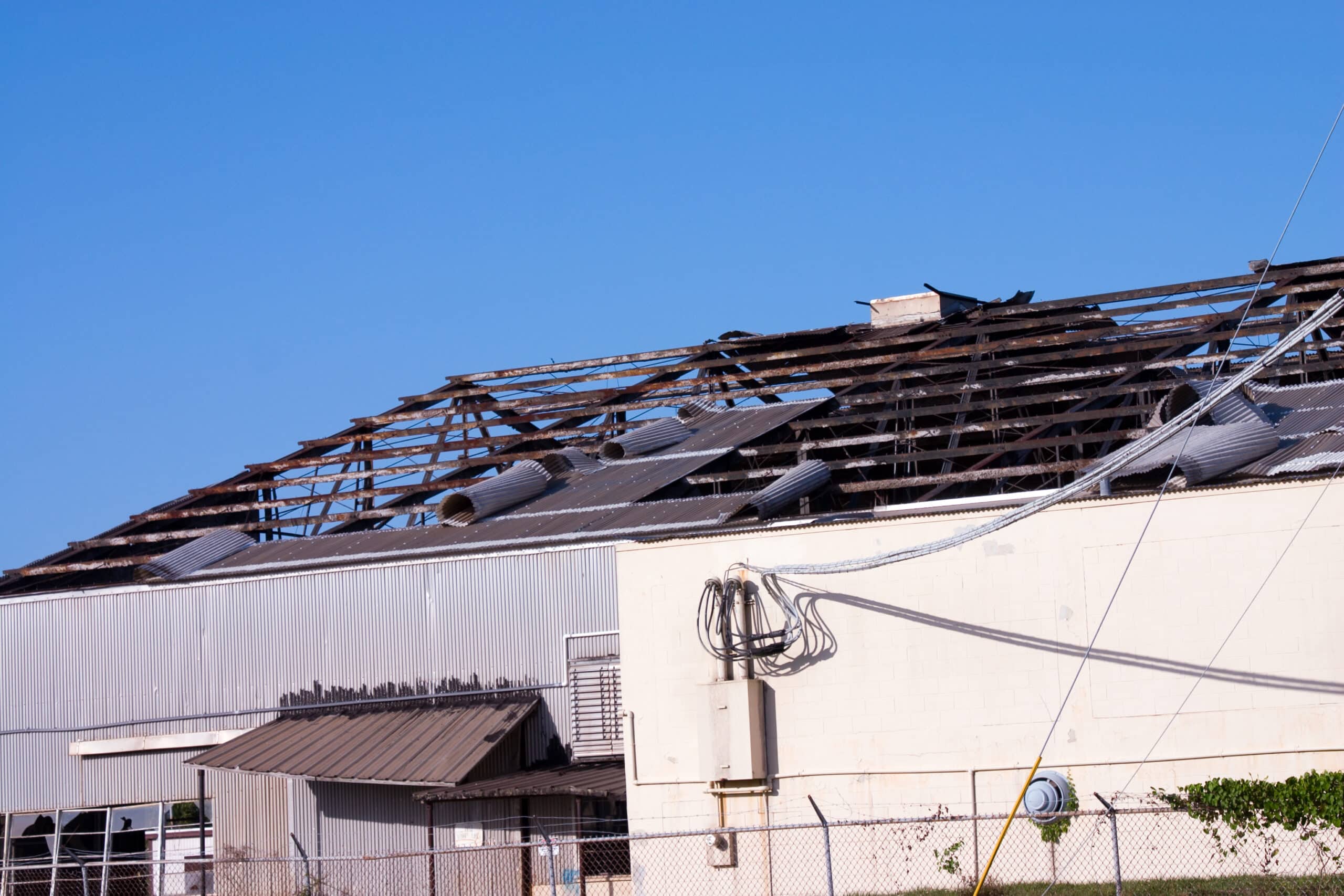
While homeowners typically check their yards for fallen limbs or missing shingles after a storm, the most dangerous roof issues often lurk beneath the surface. High winds can loosen roofing materials or shift flashing, creating entry points for moisture that may travel through attics before ever showing up as a ceiling stain. According to Curry, moisture intrusion is a progressive problem, where small, overlooked breaches evolve into significant structural decay.
Water stains near light fixtures or on walls serve as critical early warning signs, indicating that the building envelope has been compromised. Beyond these visual cues, homeowners should prioritize inspecting vulnerable points like chimneys, vents, and roof valleys where flashing is most prone to bending or separation. Given Florida’s high humidity, even minor leaks accelerate the degradation of insulation and interior finishes.
Documentation remains a vital step in the recovery process. Capturing photos of missing shingles, debris, or water marks provides necessary evidence for repair assessments. While a ground-level inspection is a good starting point, professional evaluation is essential to identify deep-seated damage that remains hidden to the untrained eye. Addressing these vulnerabilities promptly prevents minor storm-related issues from escalating into major home repairs.
Comments (0)
No comments yet. Be the first!