
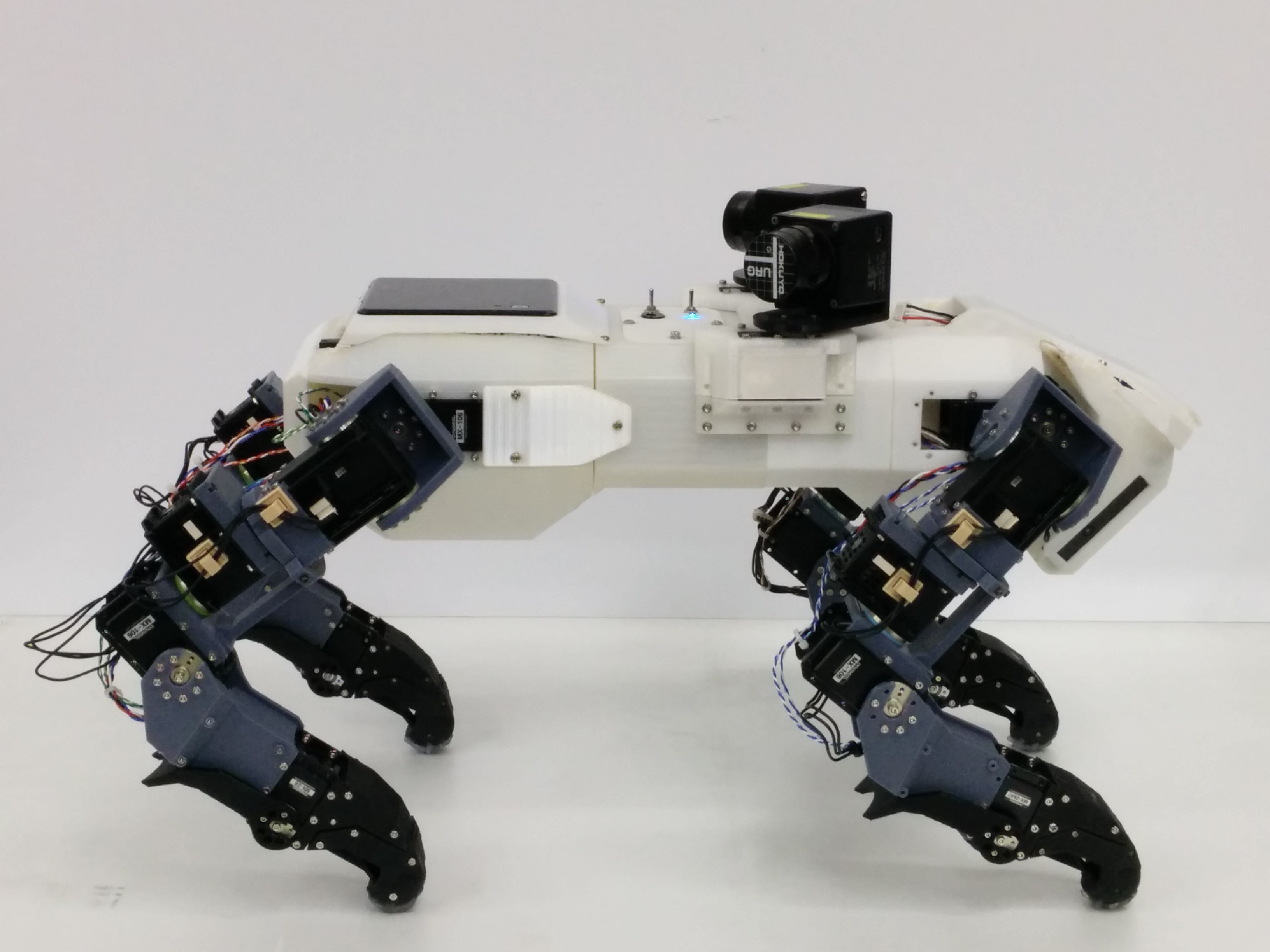
The L1 Maker platform represents a shift in robotics education, moving away from simple programming kits toward production-level hardware. By providing 12 degrees of freedom and an 8 kg payload capacity, the robot allows students and researchers to engage in full-scale assembly, calibration, and motion control. This hardware release is supported by the open-source MATRiX 2.0 simulation suite, which enables developers to test navigation and multi-robot collaboration before deploying algorithms to physical systems.
Beyond educational tools, the company is prioritizing collective behavior through its Multi-Legged Collaborative Transport system. This framework integrates spatial and interaction intelligence to allow robots to function as a coordinated unit. The effectiveness of the company’s hardware was further validated at the IROS Legged Robot Challenges, where a team from Nanyang Technological University secured first place using the GENISOM M1, marking the second consecutive year a university team has won the competition using the company’s platforms. With over 15,000 units already deployed across sectors ranging from petrochemical inspection to emergency response, the recent closure of a Series B funding round led by Stone Venture signals a push for broader international expansion.
Comments (0)
No comments yet. Be the first!