
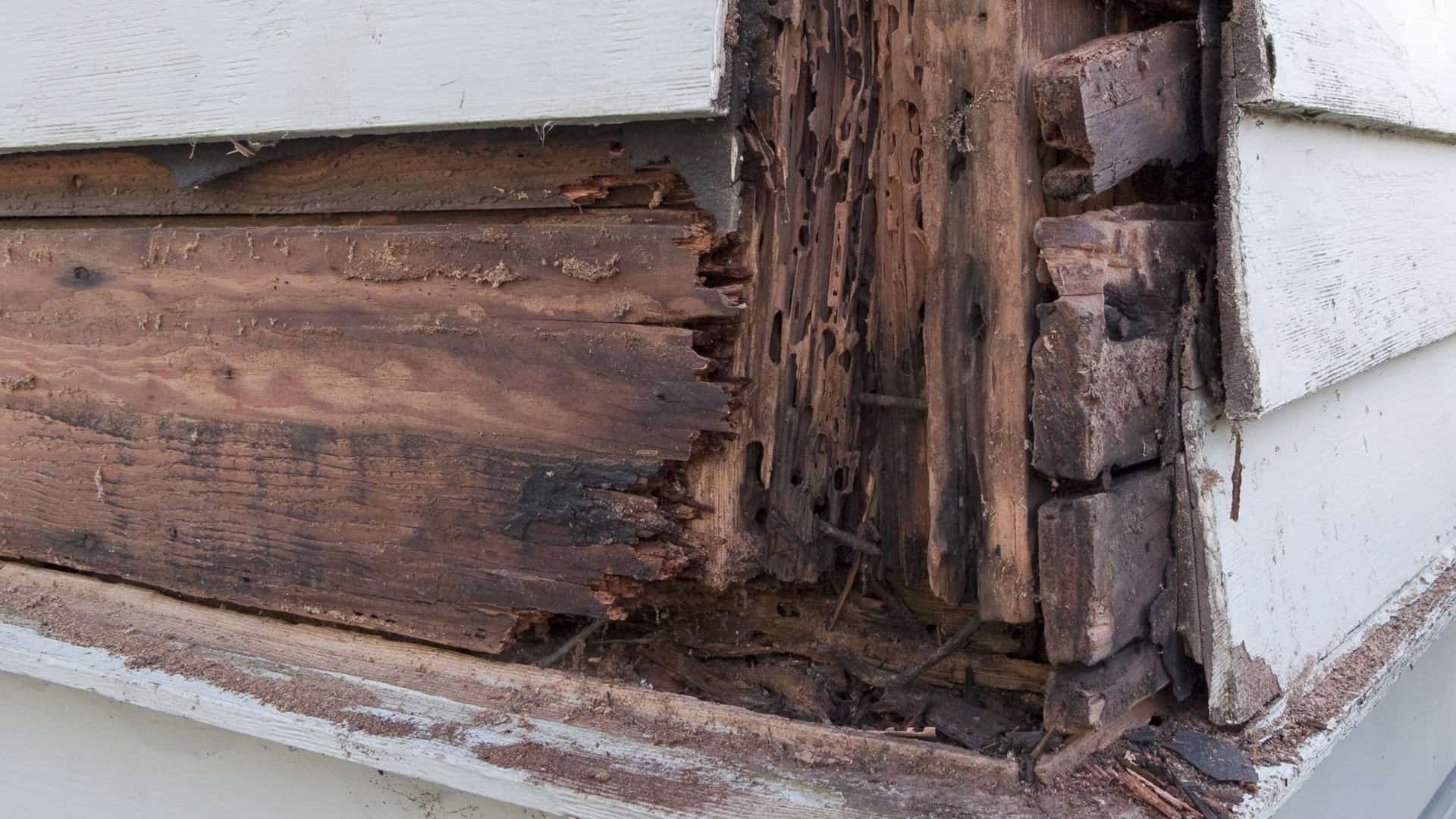
Subterranean termites thrive in the desert heat, operating out of sight within structural wood. Because they feed from the inside out, a property can look pristine while sustaining significant damage to its framing and floor joists. Michele Webb, CEO of Havasu Pest Control, emphasizes that a Wood-Destroying Insect Inspection Report (WDIIR) serves as the primary tool for buyers to gauge these risks before closing a deal.
While a WDIIR provides a critical snapshot of a property’s condition, it is not a guarantee of a pest-free home. Inspectors cannot dismantle walls or access every hidden cavity, meaning some activity may remain undetected. Despite these limitations, the report remains a vital bargaining chip. If an inspection reveals evidence of an infestation, buyers can use the findings to negotiate for professional treatments, soil barriers, or essential repairs before finalizing the purchase.
Beyond the initial transaction, these inspections establish a baseline for long-term maintenance. As landscaping and moisture levels shift, new colonies can emerge or infiltrate existing structures. By documenting the home's state early, owners can transition into a proactive schedule of periodic checks, preventing the type of catastrophic structural failure that often follows years of ignored subterranean activity.
Comments (0)
No comments yet. Be the first!