
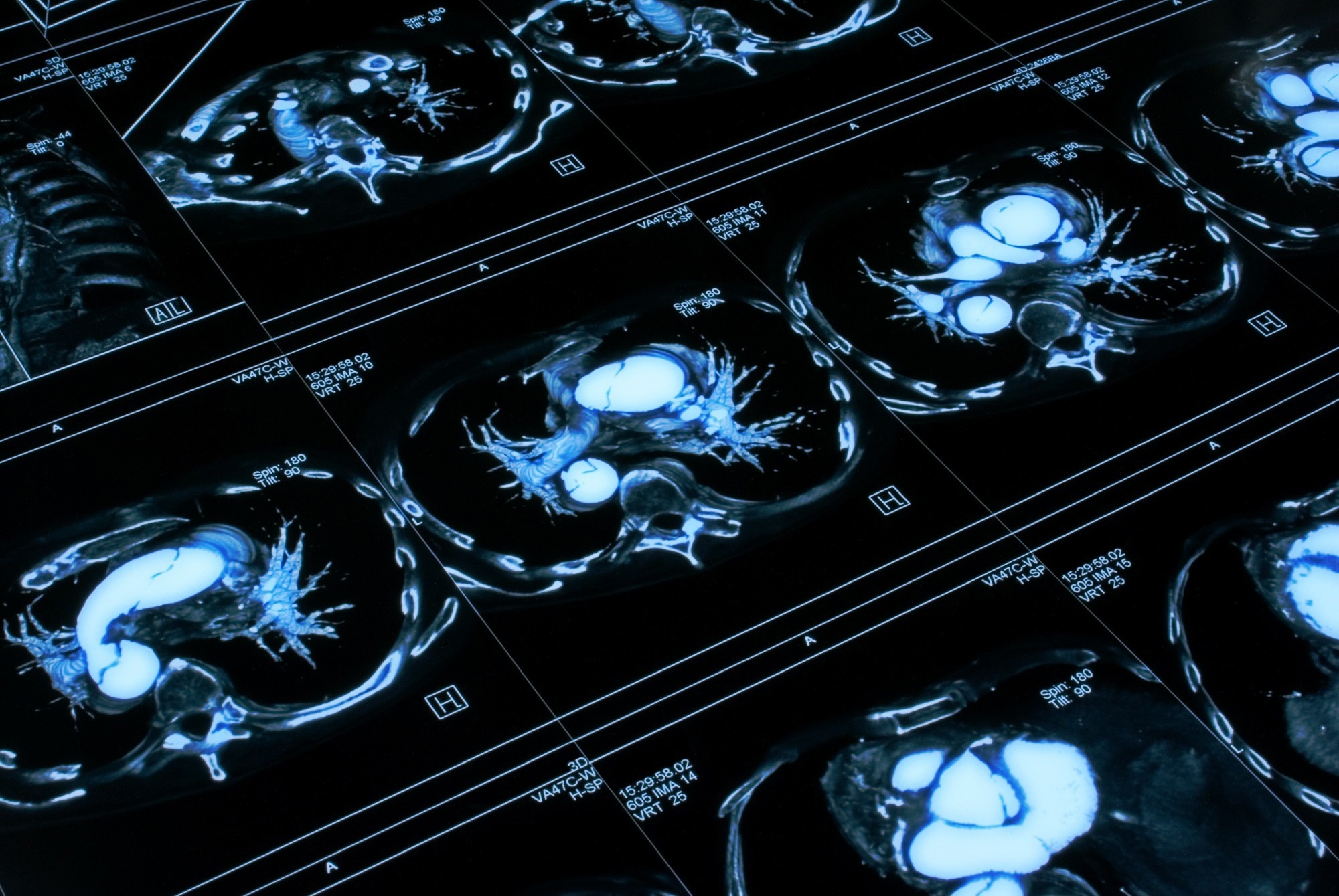
The sector is transitioning from basic image visualization toward sophisticated automated interpretation. Advanced software now performs clinical tasks once reserved for manual radiologist review, including disease pattern classification, tumor measurement, and anatomical segmentation. This evolution is driven by the necessity to process high-resolution datasets from CT, MRI, and ultrasound procedures, which have become standard for assessing complex conditions like cancer and cardiovascular disease.
Major players, including Siemens Healthineers, GE HealthCare, and Philips, are currently securing their market positions through strategic consolidation and high-profile institutional partnerships. For instance, recent collaborations between major medical centers and imaging giants aim to modernize diagnostic workflows through AI-enabled infrastructure. While North America currently commands the largest regional share due to its established healthcare networks, the Asia-Pacific region is emerging as the fastest-growing market, bolstered by rapid investment in digital diagnostic hardware.
Despite this growth, the industry faces significant hurdles regarding clinical integration. Developers must navigate complex regulatory environments and ensure that AI models remain reliable across diverse patient populations. Furthermore, the lack of standardized interoperability between existing hospital systems and new software platforms remains a persistent operational bottleneck that vendors are working to resolve through cloud-based, scalable solutions.
Comments (0)
No comments yet. Be the first!