
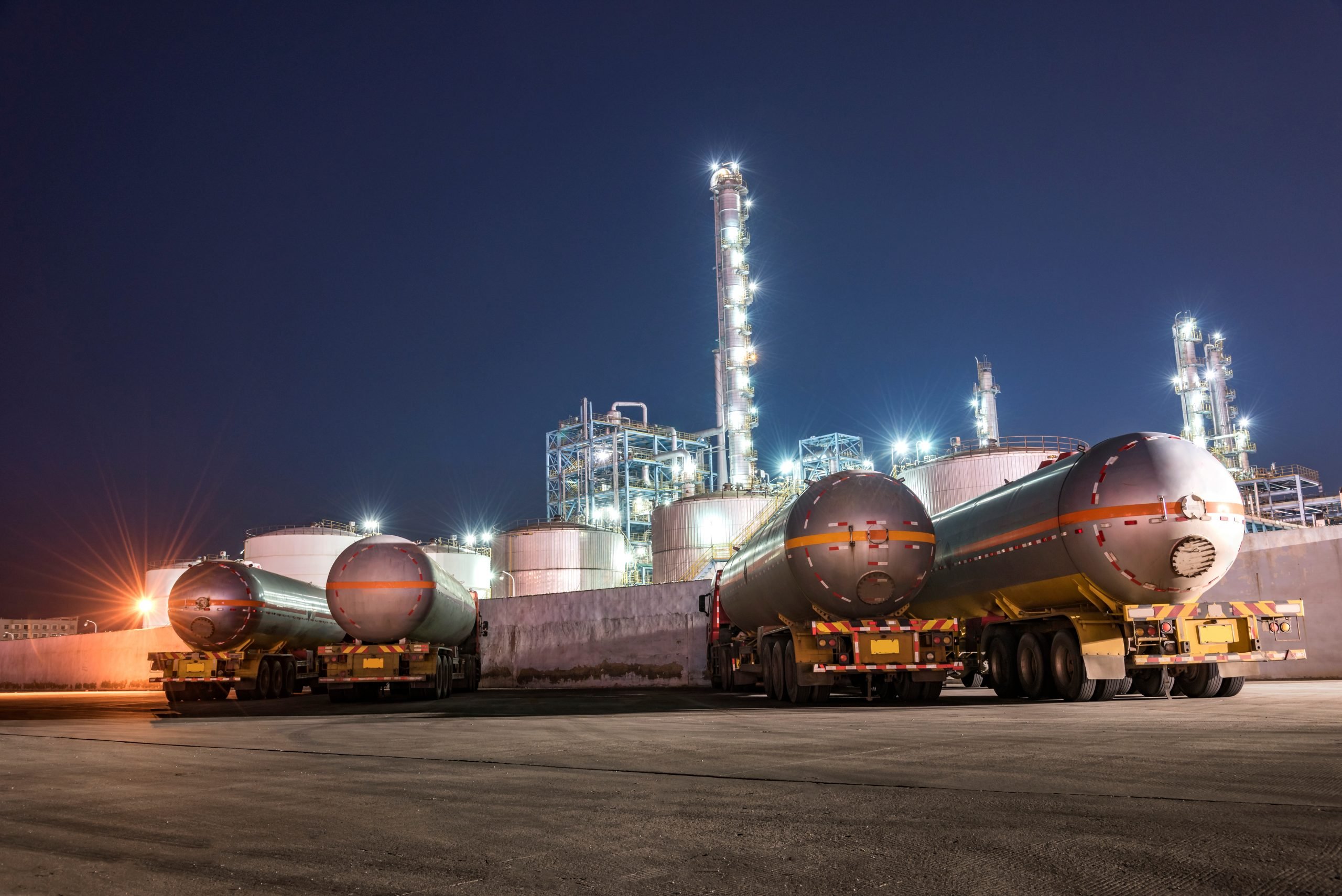
The era of seamless globalization is shifting toward a model defined by strategic redundancy. Historical vulnerabilities—ranging from the 1990s financial integration to the 2000s reliance on Russian pipeline gas—have culminated in today's reality: a global economy where energy flows are hostage to strategic chokepoints like the Strait of Hormuz. When this artery effectively closed, the International Energy Agency noted it as the largest supply disruption in its history, impacting roughly 20 million barrels per day.
Europe’s response to the loss of Russian gas underscores this new volatility. While the continent successfully pivoted to LNG, it swapped direct pipeline dependence for exposure to global shipping capacity and international price fluctuations. The U.S. share of European LNG imports surged from 29% in 2021 to 53% in 2025, illustrating that diversification is not synonymous with independence. Simultaneously, China faces a different paradox: despite reducing direct reliance on U.S. energy, it remains acutely vulnerable to maritime routes dominated by U.S. policy influence. Even the Persian Gulf states, despite their vast hydrocarbon wealth, rely heavily on American military technology to secure their own export infrastructure.
This transition forces a reassessment of corporate and national resilience. When energy costs spike, the transmission mechanism is swift; the collapse of Spirit Airlines in May 2026 serves as a stark warning that geopolitical shocks can push already strained entities into insolvency. Ultimately, the future of energy strategy lies in building systems that prioritize resilience over cost, as governments increasingly calculate the true price of dependence when political relationships fracture.
Comments (0)
No comments yet. Be the first!