
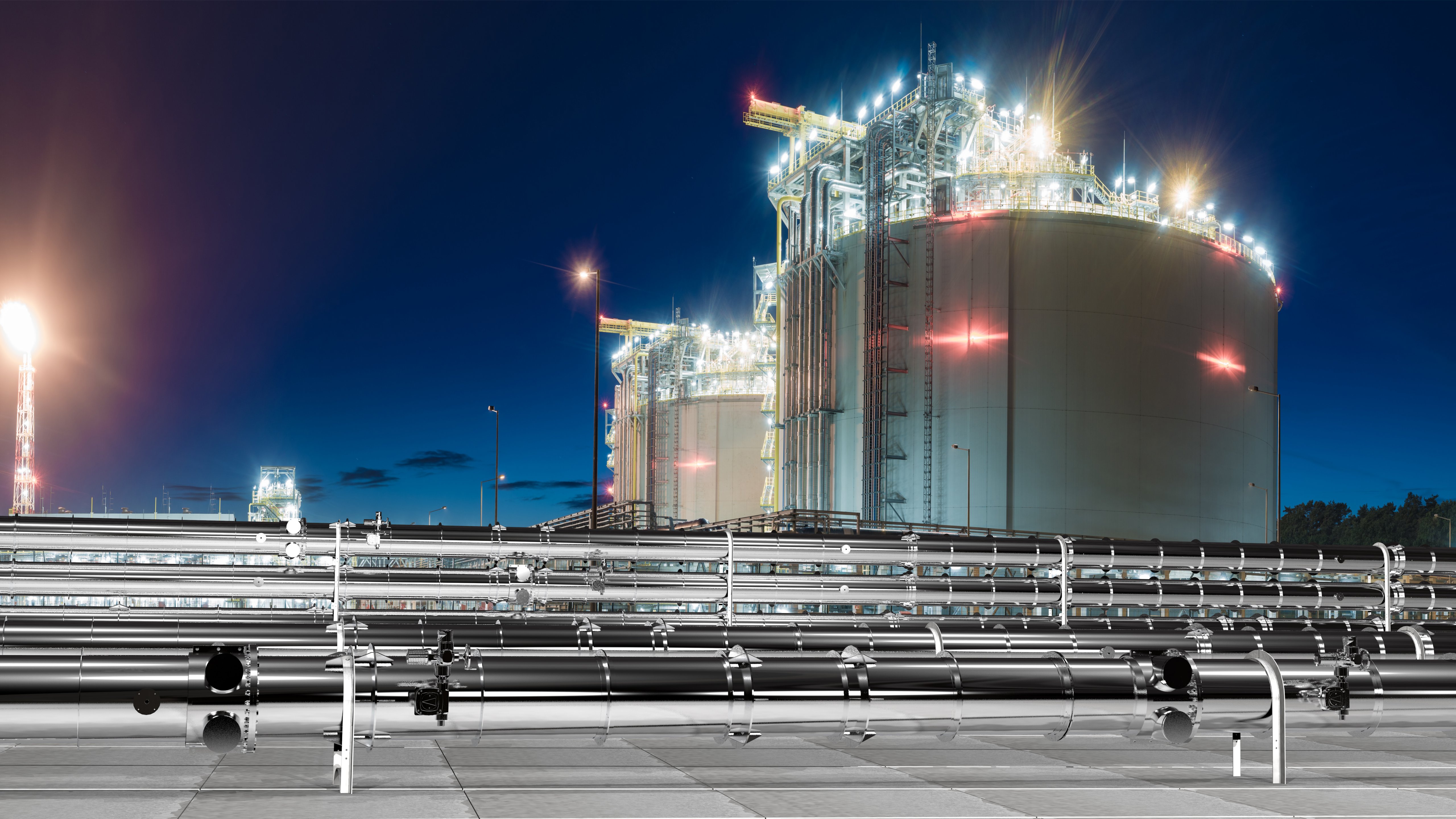
The disruption stems from strikes on the North Field-South Pars formation, a massive gas reservoir shared by Qatar and Iran. Repairs at Qatar’s Ras Laffan facility are projected to cost $5.8 billion and span three years, forcing QatarEnergy to push its North Field East launch into 2027. This instability caused a 25.8% contraction in Qatar’s hydrocarbon GDP in the first quarter of 2026, forcing the nation to extend force majeure declarations through November 2026.
Energy markets are reacting to the supply gap with urgency. China Gas Holdings finalized a 20-year agreement for U.S. LNG from Louisiana, while Malaysia and Thailand extended a 35-year production contract in the Gulf of Thailand. Simultaneously, nations like Argentina, Tanzania, and Timor-Leste have emerged as focal points for investment. Timor-Leste, in particular, is moving forward with plans for two new greenfield LNG plants to tap into the Greater Sunrise and Bayu-Undan fields. As Alexandre Araman of WoodMac noted, the conflict has transformed long-standing geographical risk into an immediate operational reality, compelling buyers to prioritize security of supply over traditional reliance on Gulf exporters.
Comments (0)
No comments yet. Be the first!