
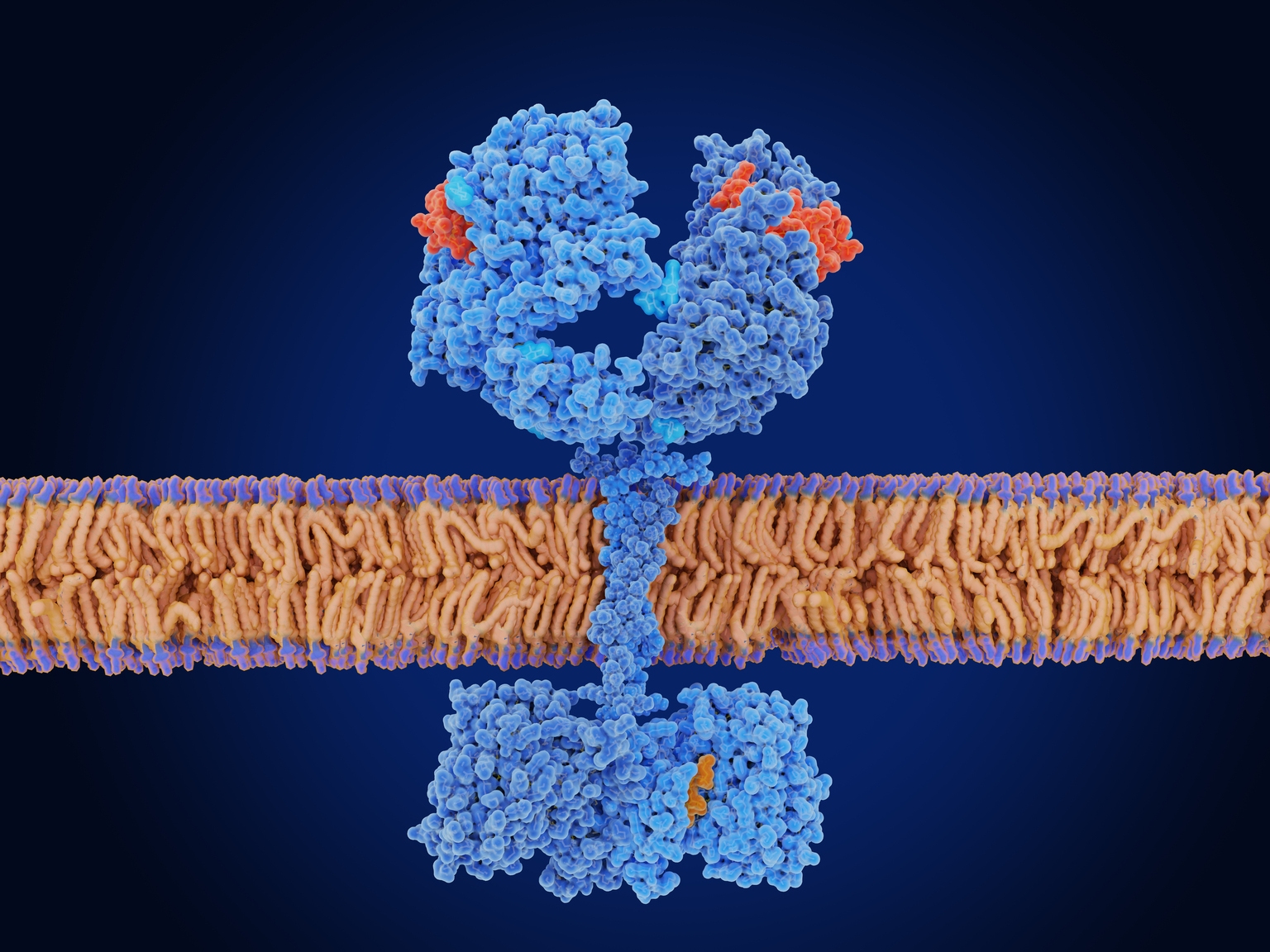
The multicenter study, designated ABSK061-202, tracks children aged 3 to 12 to evaluate the safety and efficacy of the small-molecule drug. Among the seven participants aged 6 to 12 years in the first cohort, every child met the study's criteria for a responder, defined as achieving at least a 25% improvement in annualized height velocity. The treatment was administered once daily using a specialized mini-tablet formulation designed for pediatric use.
Safety data from the trial remain favorable. Researchers reported no serious adverse events or treatment discontinuations among the group. Crucially, the drug appears to avoid the common side effects associated with first-generation pan-FGFR inhibitors, such as hyperphosphatemia and corneal toxicity, by selectively targeting FGFR2 and FGFR3 while minimizing activity against FGFR1. The company expects to release additional six-month safety and efficacy data by the end of 2026 as higher-dose cohorts continue their treatment regimen.
Comments (0)
No comments yet. Be the first!