
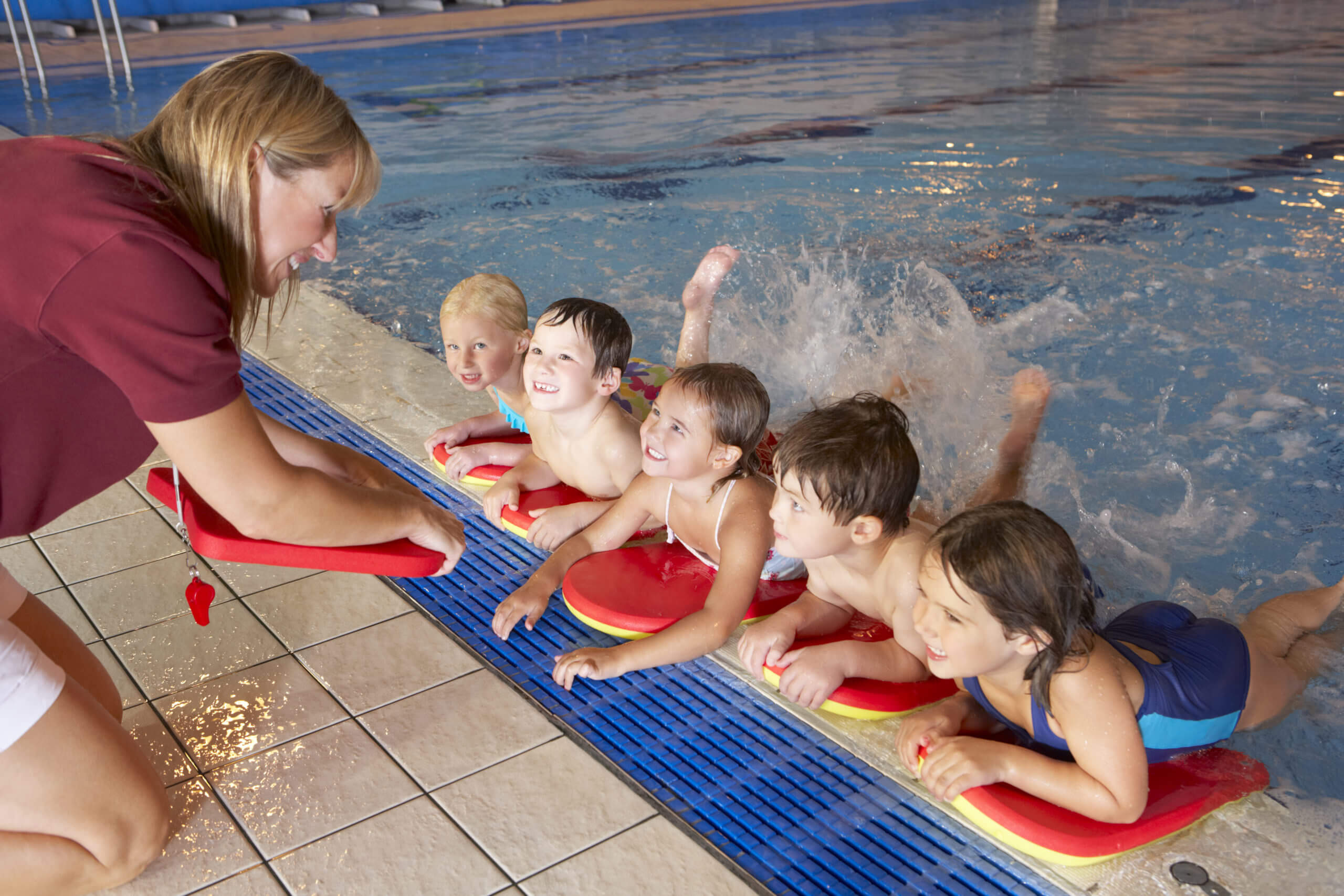
Small group lessons, typically featuring two to four children per instructor, leverage the power of peer observation. By watching classmates succeed, young swimmers often find the motivation to mirror new skills, turning the pool into a collaborative environment. This structure fosters essential social habits, such as taking turns and following collective instructions, which are often absent in one-on-one settings.
Conversely, private lessons provide a tailored approach for children who struggle with shyness or require specific interventions to overcome aquatic fears. While this format accelerates technical development through constant instructor focus, it lacks the peer-driven reinforcement found in groups. Alpern notes that while both methods effectively teach critical safety habits like floating and breath control, consistency remains the most significant predictor of long-term progress. Ultimately, the decision rests on balancing a child's need for individualized support against the developmental advantages of learning alongside others.
Comments (0)
No comments yet. Be the first!