
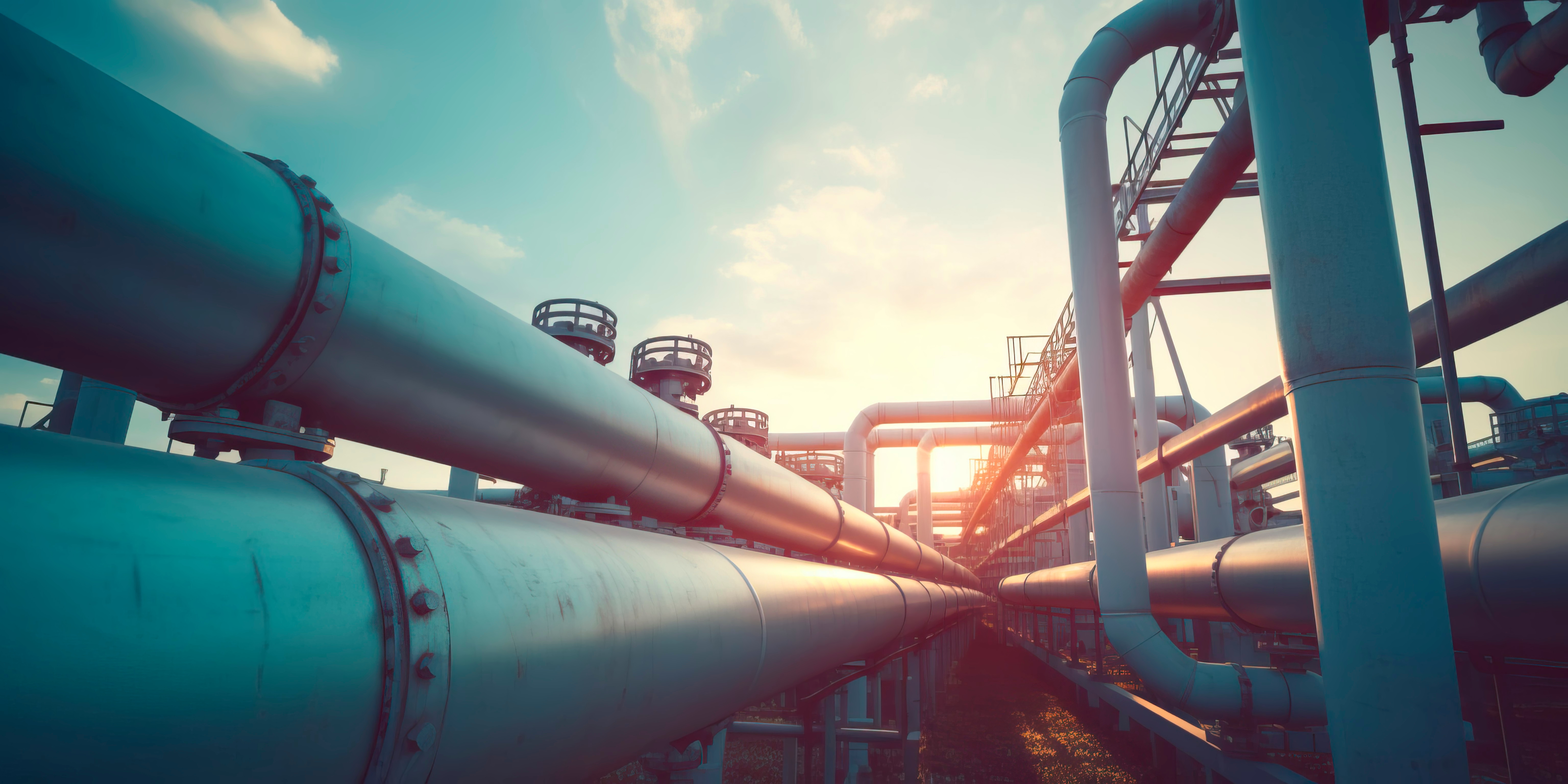
The shutdown of the East-West Pipeline, which traverses the Arabian Peninsula to deliver crude to the Red Sea, leaves global markets with almost no remaining buffer. Industry estimates suggest full repairs could take up to six weeks, while current storage at Yanbu provides only five to seven days of export capacity at current rates. This failure forces the oil industry to confront a reality where the very infrastructure designed to mitigate geopolitical risk has become a target itself.
Simultaneously, the security landscape at the southern end of the Red Sea has deteriorated. Iran-aligned Houthi forces have gained ground near the Bab el-Mandeb Strait, a vital chokepoint through which approximately 7% of global petroleum supplies must pass. With the Strait of Hormuz already severely constrained—dropping from 21.6 million barrels per day in late 2025 to just 4.9 million in the second quarter of 2026—the global supply chain is effectively being squeezed from both sides.
Brent crude has responded to these mounting pressures, settling at $104.61 per barrel as traders weigh the dwindling redundancy in the system. While Saudi production has already plummeted from 10.9 million barrels per day in February to 6.2 million in August, the inability to move remaining reserves could trigger further volatility. The crisis demonstrates that energy security is not merely about reserves in the ground, but the ability to navigate a narrowing corridor of vulnerable pipelines and ports.
Comments (0)
No comments yet. Be the first!