
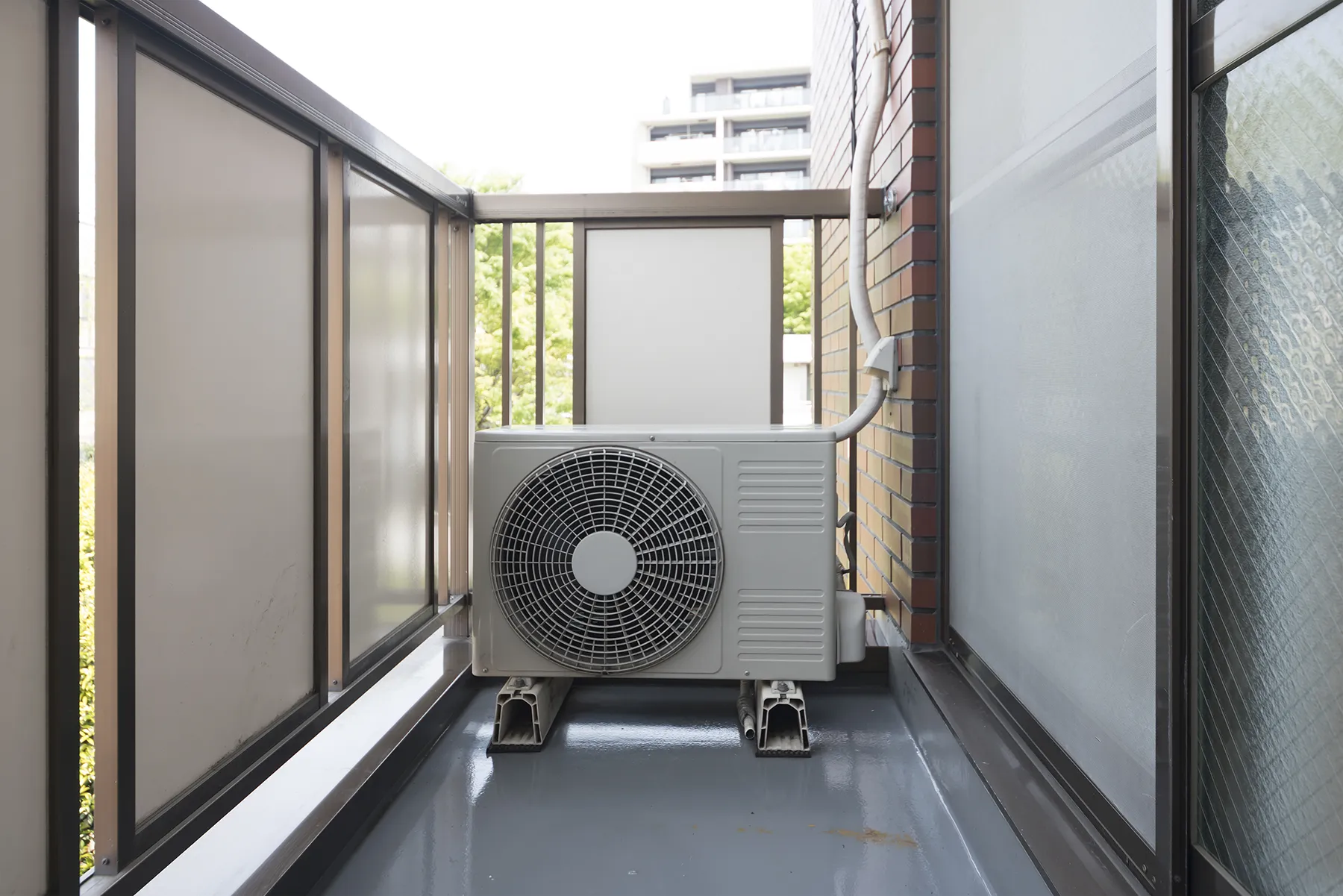
Thermostat struggles are often the first indicator of trouble. When an air conditioner runs longer than usual without reaching the desired temperature, it often points to hidden airflow restrictions or declining system efficiency. Similarly, a unit that refuses to cycle off suggests the system is working overtime due to dirty coils, low refrigerant levels, or failing components. Homeowners should also monitor their utility statements; a sudden, unexplained spike in energy costs frequently signals that the HVAC system is consuming excessive electricity to compensate for mechanical wear.
Auditory and physical cues provide further warnings. New grinding, rattling, or squealing noises from the unit indicate loose parts or motor strain, while ice forming on refrigerant lines often reveals airflow blockages. Additionally, musty or burning odors emanating from vents require immediate attention, as these can signify mold growth or overheating electrical components. Rather than ignoring these symptoms until the unit stops entirely, Sanders advocates for routine professional maintenance. Regular inspections allow technicians to address minor refrigerant leaks or airflow issues before they escalate into compressor failures, ensuring home comfort remains consistent even during peak heat waves.
Comments (0)
No comments yet. Be the first!