
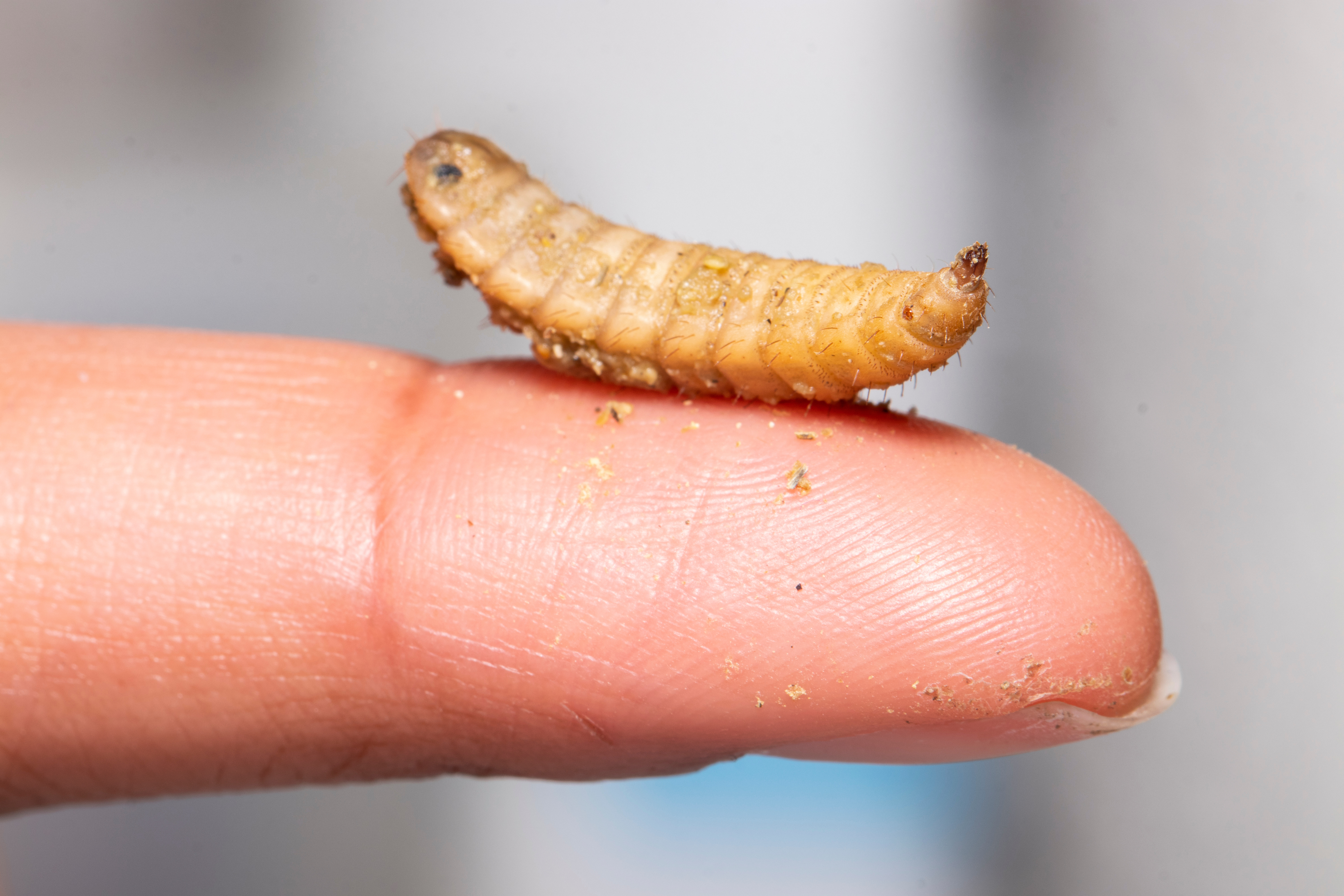
The trial, conducted at the North American Insect Center in Saskatoon, processed 0.3 metric tons of feed comprised of 50 percent fish by-products. The 11-day growth cycle yielded approximately 90 kilograms of MaxBSF larvae. Unlike standard larvae, which typically lack marine-based nutrients, the fish-fed insects showed a significant boost in omega-3 concentration, with total omega-3 levels reaching up to 7.94 percent of total fatty acids. This nutritional profile could allow poultry farmers to enhance the omega-3 content of eggs.
Following the success of these trials, the partners are moving toward establishing a localized rearing facility in Ile-a-la-Crosse, Saskatchewan. This site will utilize neonates supplied by FairGene in Bassano, Alberta, implementing a hub-and-spoke production model. For the local fishing community, the initiative transforms a perishable, difficult-to-manage waste stream into a sustainable revenue source. The project aims to keep economic value and job creation within the region while demonstrating that specialized insect feed can effectively scale to meet commercial agricultural demands.
Comments (0)
No comments yet. Be the first!