
The harsh New England winter acts as a relentless stress test for any vehicle. Salt used to clear Manchester roads may improve traction, but it simultaneously initiates a chemical assault on brake lines, exhaust systems, and suspension components. Fortin emphasizes that failing to wash the undercarriage regularly allows grime to accumulate, eventually seizing critical parts and forcing costly replacements that could have been avoided with simple preventive cleaning.
Tires represent the most immediate safety variable when the mercury drops. As temperatures dip below 45 degrees, all-season tires lose the flexibility required for optimal grip, while cold air causes internal pressure to plummet. Fortin advises drivers to switch to winter-grade rubber early, noting that balanced, properly inflated tires are the primary defense against the increased stopping distances and skidding risks inherent to icy pavement.
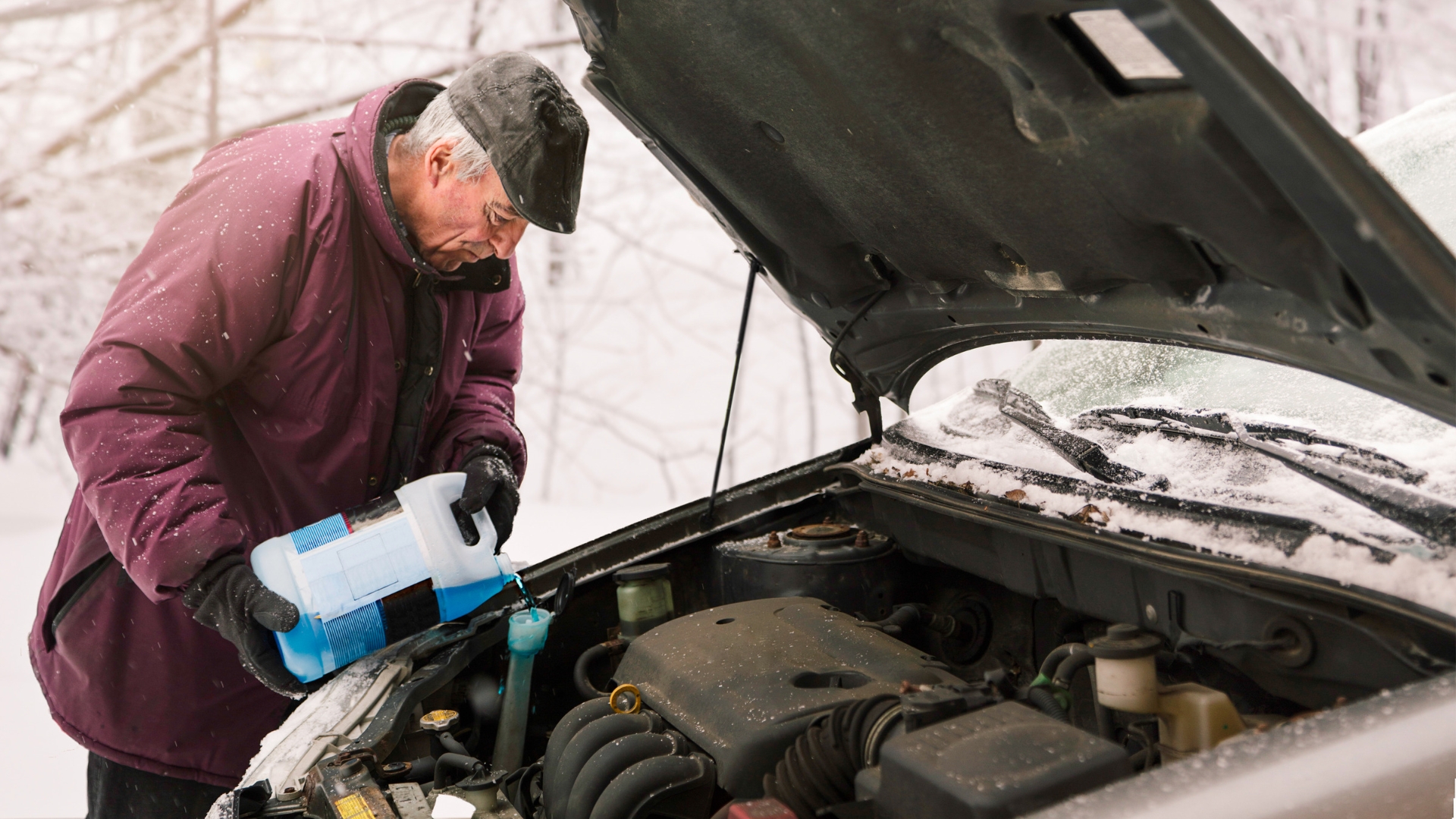
Beyond external damage, the engine and electrical systems face significant strain. Cold weather thickens essential fluids and drains battery capacity, often leading to ignition failures on the coldest mornings. Fortin recommends a two-pronged approach: scheduling a professional inspection before the first major storm and conducting a mid-season checkup to monitor fluid levels and battery terminal health. By documenting these routine services—including oil changes with cold-weather blends and brake inspections—drivers not only ensure their vehicle remains roadworthy but also preserve its market value against the inevitable degradation caused by the season.
Comments (0)
No comments yet. Be the first!