
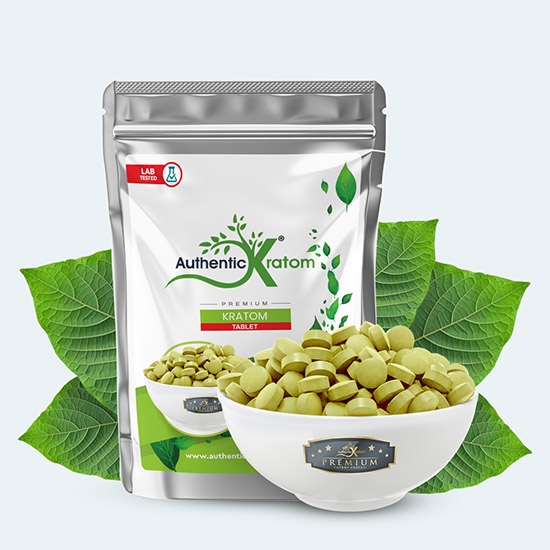
While 7-hydroxymitragynine, or 7-OH, occurs in trace amounts within the natural kratom plant, the concentrated and synthetic versions currently flooding the market differ significantly in chemical profile and impact. These products, often marketed as gummies, drink shots, or powders, have drawn scrutiny from the U.S. Food and Drug Administration, which warns they lack proven safety and may trigger addiction, seizures, and severe withdrawal symptoms.
The U.S. Drug Enforcement Administration signaled a major regulatory shift in July 2026, proposing to move specific high-concentration 7-OH substances into Schedule I of the Controlled Substances Act. This move targets the synthetic derivatives rather than traditional botanical kratom leaf. Health officials emphasize that no product containing 7-OH has received federal approval for medicinal use, despite aggressive marketing that often obscures the substance's opioid-like potency behind labels like 7-HMG or 7-Hydroxy.
To combat the rising risks, North Charleston is directing residents to the Bridge2Hope mobile application, which serves as a centralized hub for local recovery services, naloxone availability, and support groups. City leaders urge families to remain vigilant against products sold online or in retail outlets, noting that some unauthorized services are already attempting to capitalize on the crisis by selling unverified "detox" solutions for 7-OH dependency.
Comments (0)
No comments yet. Be the first!