
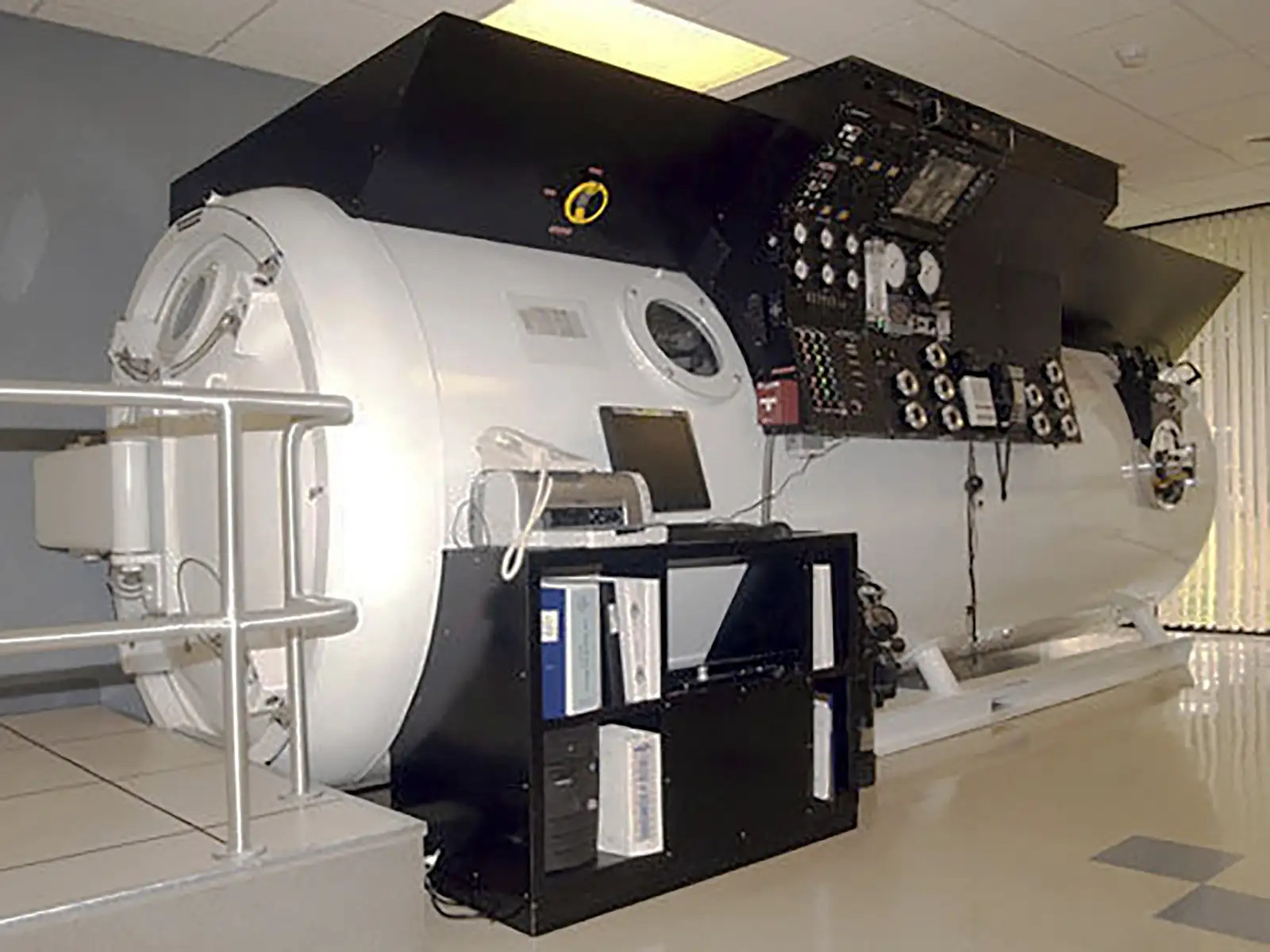
Hot Isostatic Pressing functions by subjecting components to simultaneous high pressure and heat, effectively eliminating internal porosity and micro-defects common in powder-bed additive manufacturing. Hiperbaric’s presses achieve pressures of 207 MPa, with furnace temperatures reaching 2,000 °C using graphite or 1,400 °C with molybdenum. This process brings mechanical performance—specifically fatigue life, ductility, and impact strength—in line with forged materials, a requirement for aerospace and medical certification.
Scaling Production and Compliance
For manufacturers, the transition from prototype to serial production requires rigorous adherence to standards such as AMS 2750 pyrometry and Nadcap AC7102/6 audit criteria. Hiperbaric’s equipment architecture is engineered to maintain repeatable cycle parameters across these environments. The company offers a range of vessel sizes, including the HIP 38 for medium capacities and the large-format HIP 107, which features a 1,075 mm diameter and 2,670 mm height, designed for high-volume throughput.
CEO Andrés Hernando emphasized that proving structural reliability is the primary hurdle in industrializing additive manufacturing. Beyond aerospace and medical applications, the technology serves the energy sector for gas turbines and the automotive industry for high-load components. At the show, company specialists will provide technical guidance on installation requirements and cycle optimization for these demanding industrial sectors.
Comments (0)
No comments yet. Be the first!