
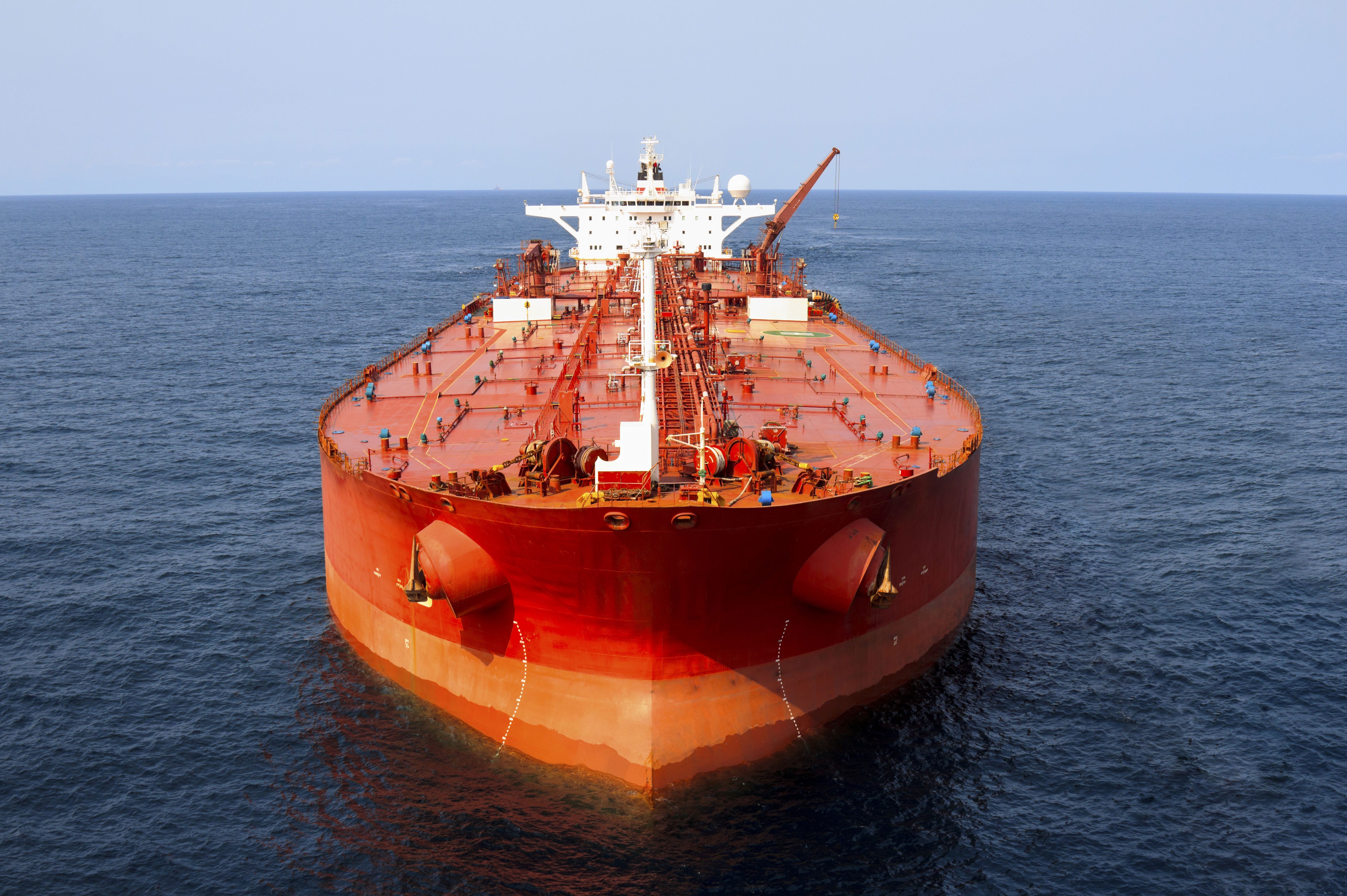
Saudi Arabia and the UAE are scrambling to bypass the chokepoint by reversing pipeline flows toward ports like Yanbu and Fujairah. These alternatives, however, currently lack the scale to replace the volume lost in the Gulf. ADNOC aims to double its pipeline capacity to Fujairah, but infrastructure projects of this magnitude will not provide relief until next year. The result is a fragmented market where the geographic advantage of Middle Eastern oil is being replaced by longer, more expensive shipping routes.
Energy-importing nations are absorbing the shock. Japan, previously reliant on the Middle East, has pivoted to suppliers in North America, Africa, and Azerbaijan, leading to a record $76.39 billion import bill in July. Globally, the energy import burden swelled by $330 billion between March and August alone. As the war persists, the market is shifting toward a more resilient but structurally pricier network—one less tethered to the vulnerable Hormuz and Bab el-Mandeb straits, but permanently burdened by the costs of its own reconstruction.
Comments (0)
No comments yet. Be the first!