
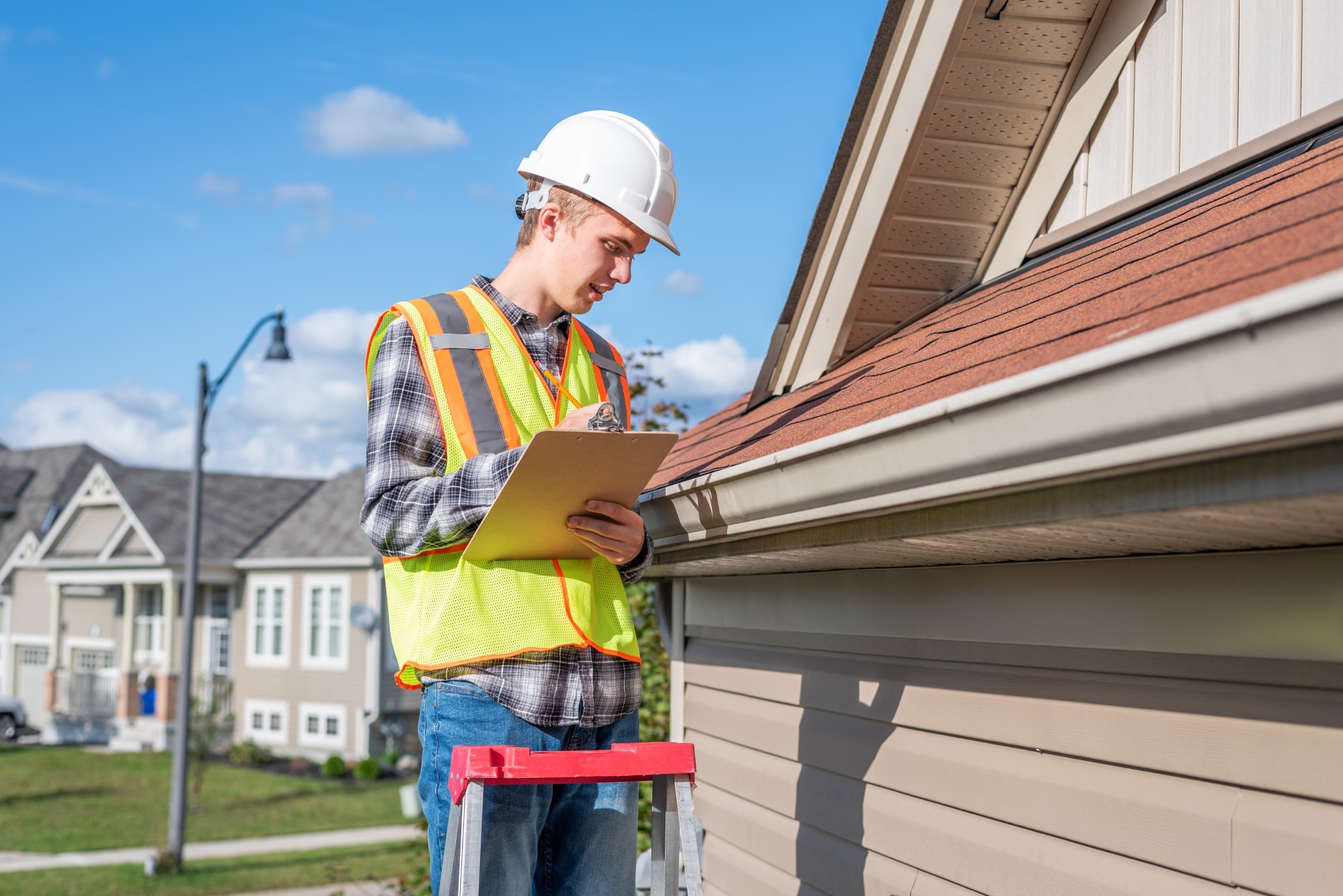
The process begins outdoors, where grading, drainage, and structural foundations face rigorous scrutiny. Improper water management often signals long-term instability, making exterior drainage a top priority. Roof systems endure significant seasonal stress from the region’s extreme temperature swings, leading inspectors to prioritize the search for moisture intrusion, damaged flashing, and failing shingles that threaten the home’s integrity.
Inside, the focus shifts to mechanical and structural reliability. Plumbing and electrical systems undergo a comprehensive check for outdated materials or safety hazards, particularly in older properties common to the area. HVAC performance remains a pivotal metric, as local homes must withstand both harsh winters and humid summers. Inspectors also probe walls, attic spaces, and support beams for physical signs of movement or decay.
Beyond the standard visual evaluation, buyers frequently opt for specialized diagnostics. Radon testing addresses air quality concerns, while sewer scope inspections use cameras to uncover hidden blockages or pipe deterioration that standard walkthroughs miss. These findings culminate in a detailed report, which acts as a primary tool for buyers to negotiate repairs or anticipate future maintenance costs. While no inspection provides a guarantee against every latent defect, this objective assessment offers the clarity needed to navigate a property purchase with confidence.
Comments (0)
No comments yet. Be the first!