
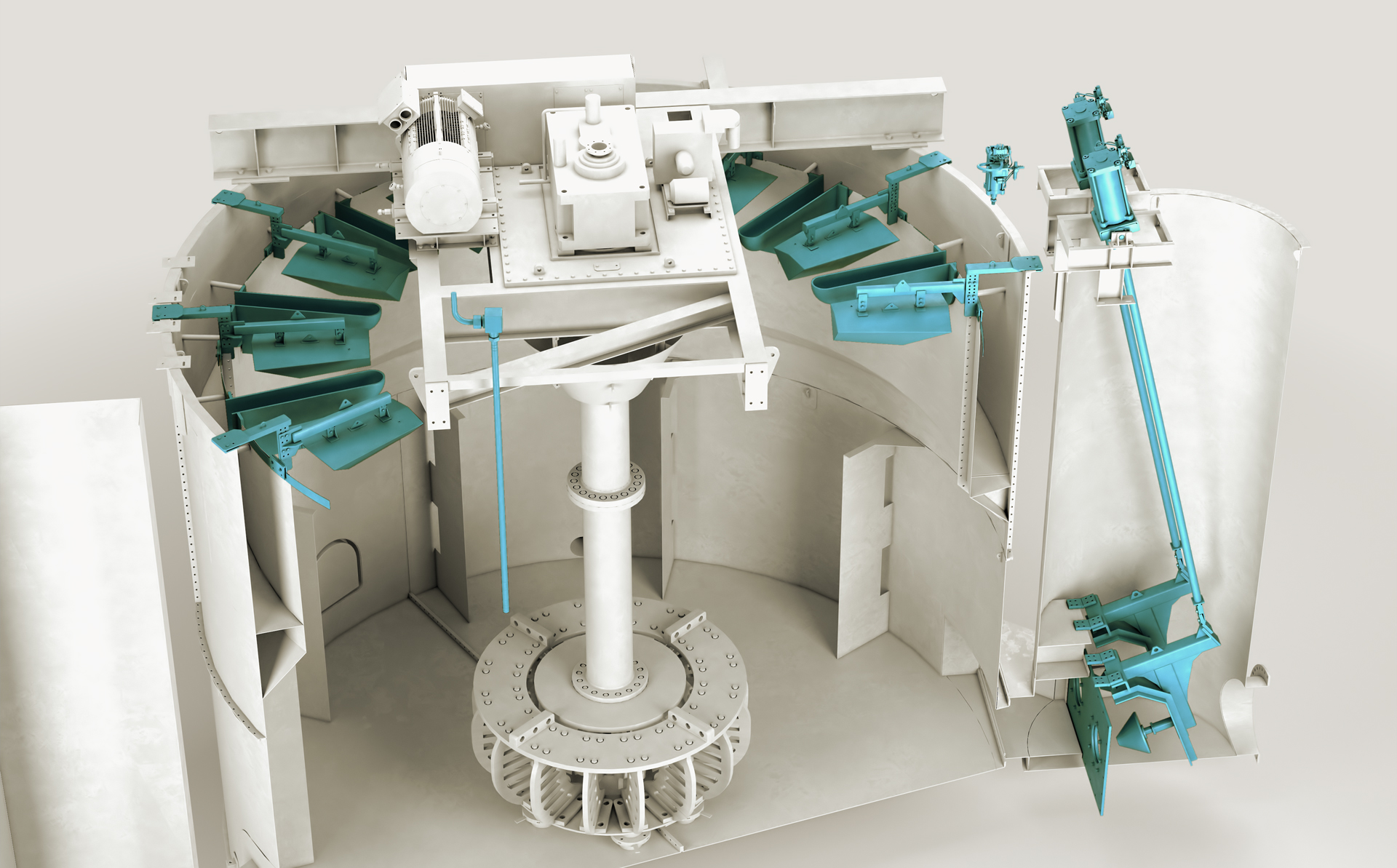
The drive for critical minerals—fueled by data center expansion, electrification, and power grid infrastructure—is forcing miners to handle increasingly complex ores. FrothBoost utilizes the company’s background in oil and gas fluid behavior to stabilize froth and improve mineral separation within existing processing circuits. By targeting interfacial interactions during flotation, the technology seeks to optimize mineral attachment without requiring significant operational overhauls.
Laboratory testing across gold, copper, molybdenum, and iron ore has shown measurable gains compared to incumbent reagents. In molybdenum processing, recovery rose 12.5 percentage points, reaching 92.9%. Copper recovery saw a 6.3 percentage point increase, while gold operations achieved a 2.3 percentage point gain alongside a notable jump in concentrate grade from 44.9% to 59.7%. Iron ore testing demonstrated a 5.8 percentage point improvement in recovery.
Dr. Michael Nuamah, Senior Director of Sales at Locus Mining, emphasized that the approach focuses on translating biosurfactant chemistry into site-specific results. The evaluation process starts with customer ore samples, moving through laboratory confirmation to pilot-plant or in-plant trials. This structured pathway allows operators to validate performance against specific water and mineralogy constraints before full-scale implementation. The company is currently inviting mining firms to test the chemistry against their unique processing requirements.
Comments (0)
No comments yet. Be the first!