
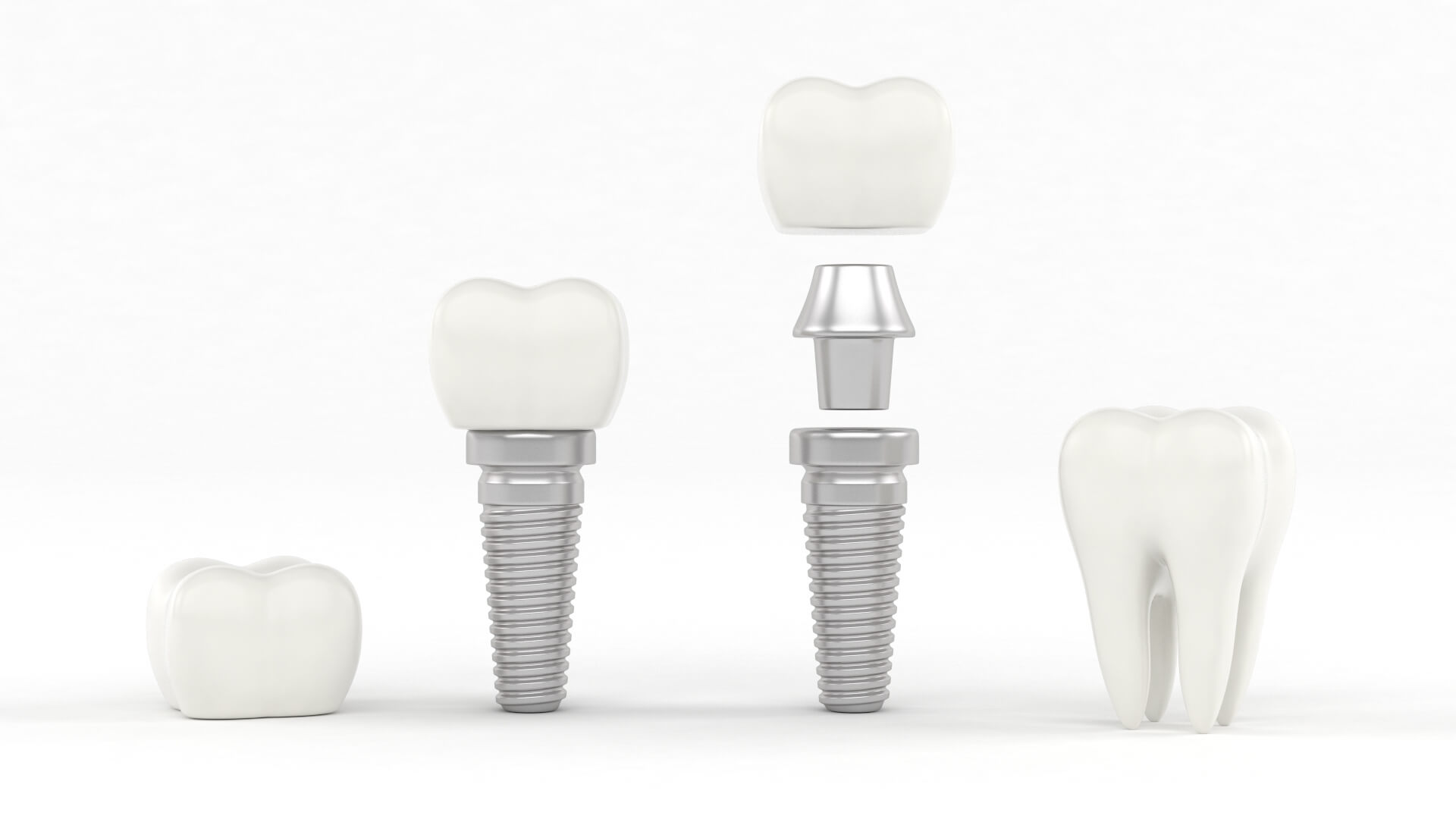
While dental implants require a stable foundation of bone density to succeed, the process begins with a precise evaluation of the jaw. Modern imaging technology allows practitioners to assess structural integrity with high accuracy, often revealing that patients with minimal bone loss can proceed without complex interventions. For those with more significant deterioration, bone grafting serves as a standard corrective measure. This process involves introducing synthetic, donor, or patient-derived material to rebuild the jaw, creating a robust anchor for future implants. Following the graft, a healing period is necessary to allow the material to integrate with natural bone, ensuring long-term stability and reducing the risk of later failure.
When grafting is not a viable or preferred path, dental professionals may pivot to alternatives like implant-supported bridges or removable dentures. Dr. Steven Dodson of Altoona Dentistry Implants Dentures emphasizes that early consultation is the most critical step in the process. By identifying bone levels well before attempting placement, patients can avoid complications and explore personalized treatment plans that prioritize both oral function and long-term health. Ultimately, the integration of advanced diagnostics and restorative options ensures that tooth replacement remains accessible even when initial bone structure is compromised.
Comments (0)
No comments yet. Be the first!