
Traditional complete dentures remain the most common entry point for full mouth restoration. While modern iterations offer improved fit and a more natural appearance than historical designs, they function by resting directly on soft gum tissue. This reliance on suction means they can occasionally shift during speech or meals, and the natural resorption of the underlying jawbone over time often necessitates periodic adjustments to maintain comfort.
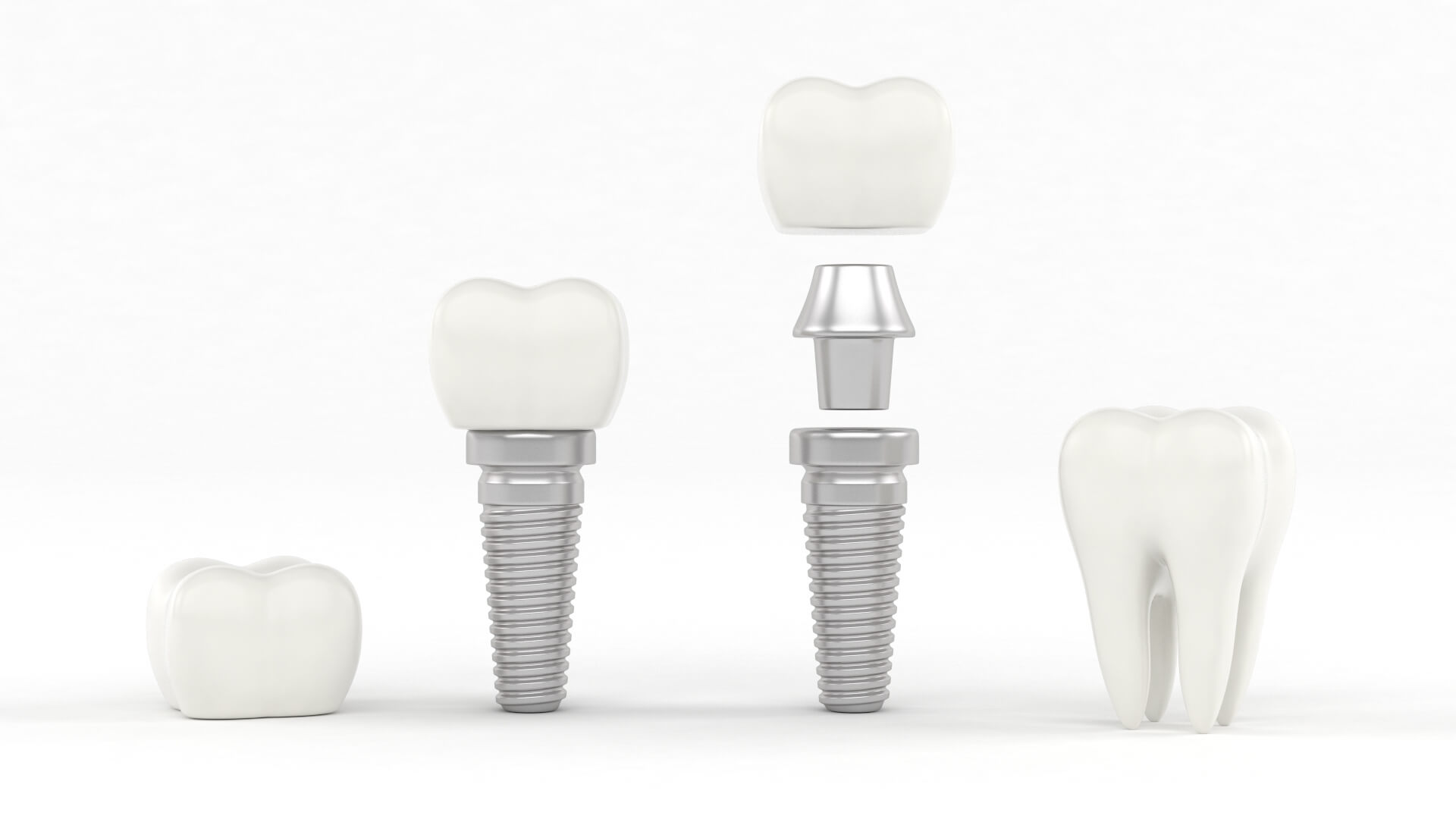
For patients seeking greater security, implant-supported dentures provide a functional middle ground. By placing titanium anchors into the jawbone, these systems offer a snap-on mechanism that significantly reduces movement while remaining removable for hygiene. Beyond stability, these implants provide essential stimulation to the jawbone, which helps mitigate the bone loss typically associated with tooth extraction. This preservation of bone density is a primary factor in maintaining facial structure and long-term oral health.
At the peak of restorative technology, fixed implant dentures offer a permanent solution for those prioritizing function and feel. These full-arch restorations are anchored securely to the jaw and can only be removed by a dental professional. Although the surgical process requires a longer recovery period, the result is an exceptionally stable set of teeth that behave much like natural ones. Dr. Miller notes that the choice between these methods depends on a patient's budget, bone density, and lifestyle goals. Ultimately, the integration of implants transforms a restoration from a simple cosmetic fix into a structural support system that protects the integrity of the jaw for years to come.
Comments (0)
No comments yet. Be the first!