
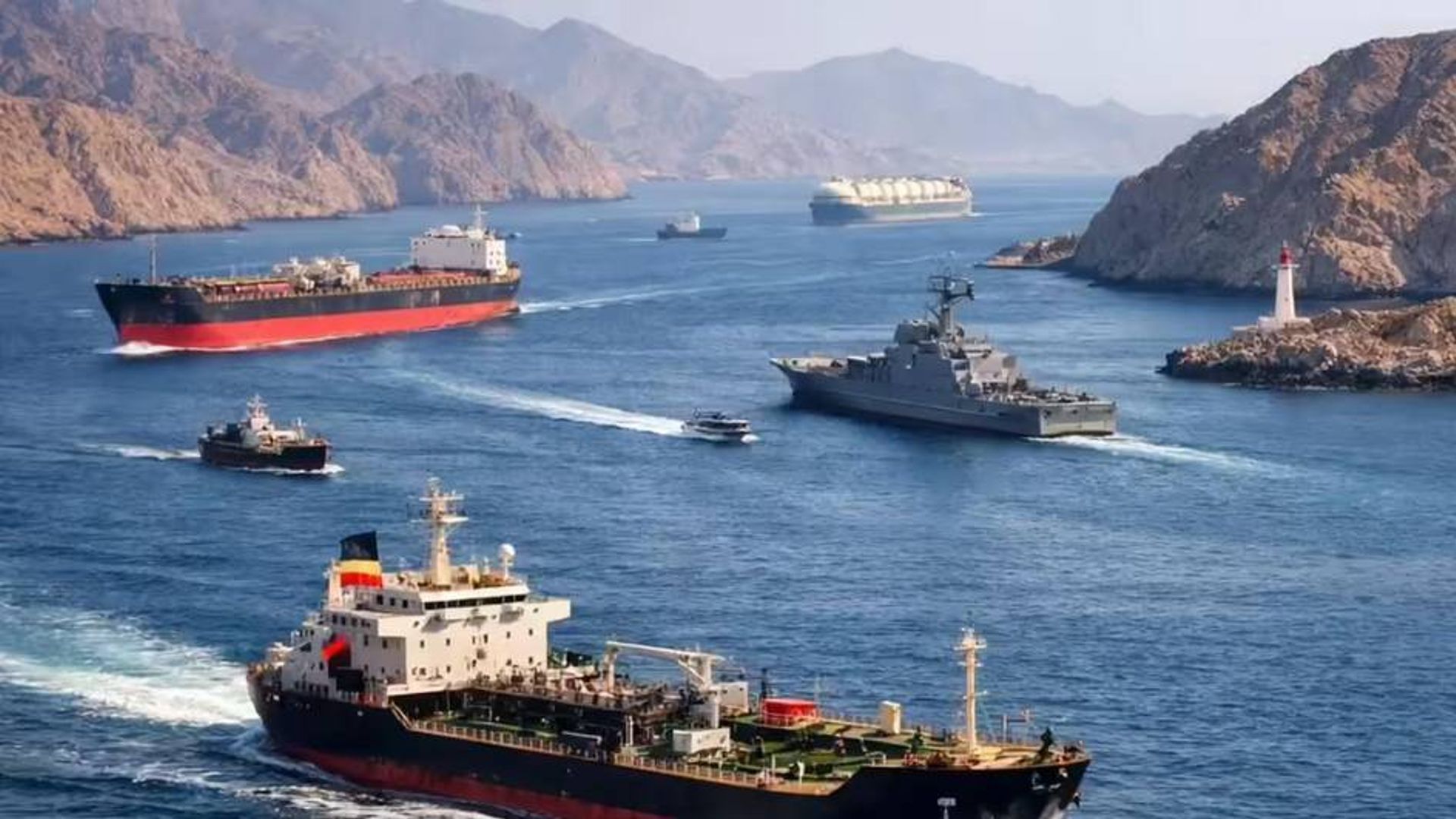
The current impasse stems from a clash of survival strategies. Iran demands comprehensive sanctions relief and an end to military operations in Gaza, Lebanon, and Syria as the price for normalization. Washington, however, remains unwilling to provide such sweeping concessions, opting instead to maintain economic pressure in hopes of forcing a favorable retreat. Tehran is betting that it can endure this isolation longer than the Gulf states can tolerate a crippled, high-risk trade route.
This regional instability is further exacerbated by shifting alliances. In a move to bypass Crown Prince Mohammed bin Salman, UAE President Mohamed bin Zayed has appealed directly to King Salman, highlighting a widening rift between Abu Dhabi and Riyadh over Yemen, Sudan, and regional security pacts. As diplomatic channels stall—marked by the cancellation of visits from U.S. envoys—the vacuum is being filled by aggressive lobbying in Washington. Turkey, for instance, has committed $2.4 million to a new lobbying effort, aiming to secure access to the F-35 program while simultaneously maneuvering against Israeli influence in Syria. With Congress now reviewing a controversial Saudi-U.S. nuclear deal, the region is bracing for a prolonged period of volatility where economic necessity and military posturing remain fundamentally at odds.
Comments (0)
No comments yet. Be the first!