
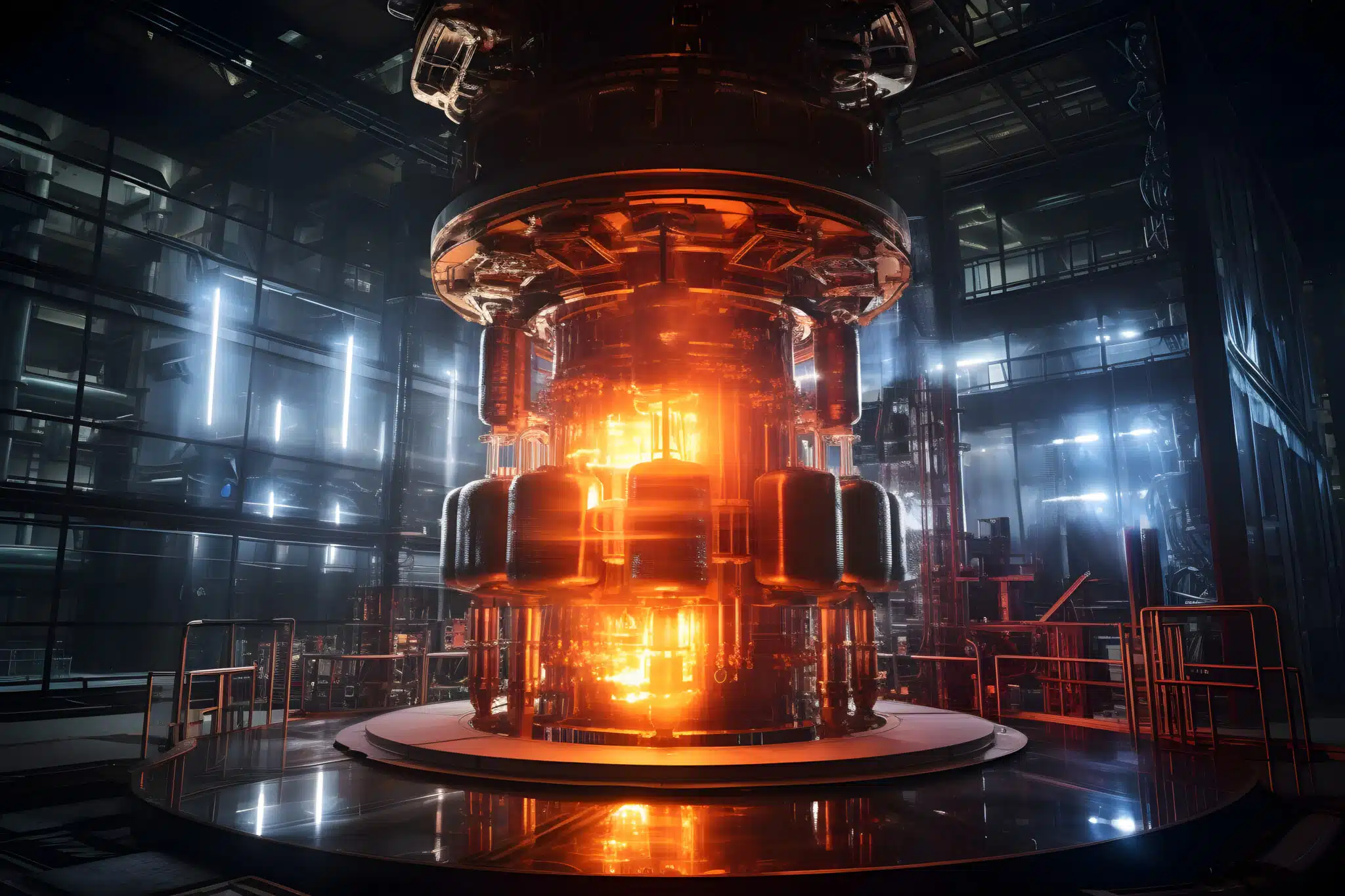
Venture capital is flooding into fission and fusion startups, with global investment hitting $4.5 billion across 81 companies in 2026 alone. This trajectory suggests the sector will soon surpass the 2025 record of $6.2 billion. Figures like Bill Gates and Sam Altman are leading the charge, viewing nuclear breakthroughs as the only viable path to sustaining the massive energy appetite of modern artificial intelligence.
The industry is shifting focus from massive, budget-straining projects like Georgia’s Plant Vogtle toward small modular reactors (SMRs). Proponents argue these smaller units offer the agility that traditional infrastructure lacks. Despite the enthusiasm, commercial SMRs remain absent from the grid, and the Nuclear Regulatory Commission only recently greenlit its first design from NuScale. Critics remain skeptical of the gap between venture capital hype and operational reality, noting that the economic viability of these reactors remains unproven at scale.
New ventures are attempting to bridge this divide by repurposing existing infrastructure. In Virginia, a team with SpaceX backgrounds is refurbishing an abandoned SMR test facility to accelerate development. Whether this approach yields a commercial breakthrough or adds to the list of stalled projects, it represents a critical stress test for the industry. The core challenge persists: proving that these reactors can deliver cost-competitive power before the AI-driven energy surge outpaces the grid’s current capacity.
Comments (0)
No comments yet. Be the first!