
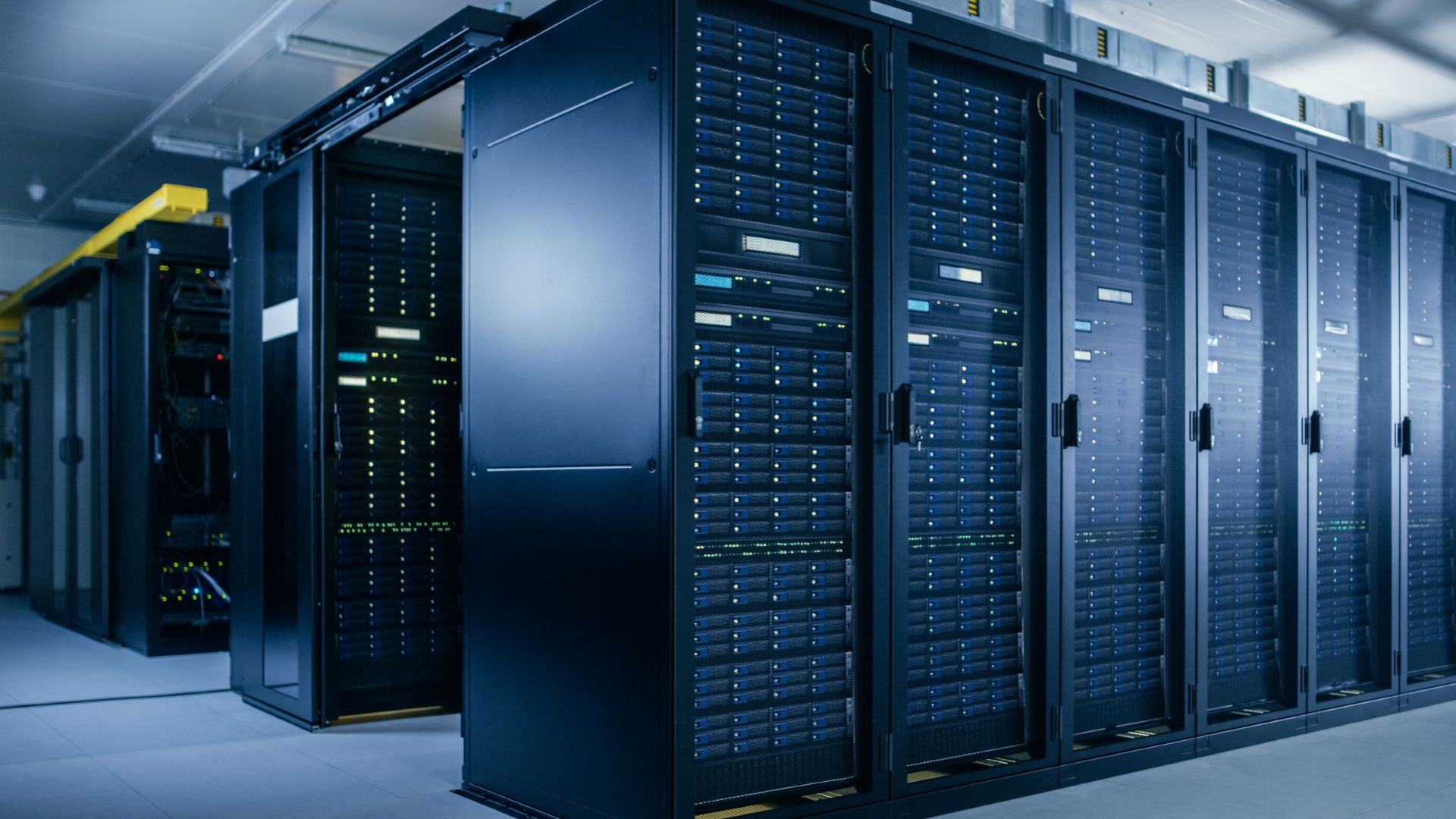
The era of stagnant electricity demand in the United States has effectively ended. After years of flat growth between 2005 and 2019, the U.S. power sector is now grappling with a rapid expansion driven by massive data-center deployment. In 2025, American data centers consumed 312.6 TWh, representing 39.7% of the global total. This load is no longer a niche concern for utilities; it is a fundamental shift in energy planning.
Virginia serves as a primary case study for this transformation. Within the Dominion portion of the PJM grid, summer peak demand in 2025 rose 23% compared to 2019 levels, while winter peaks spiked by 45%. This creates immediate friction in the physical world: transmission congestion costs across PJM jumped 43% to $6 billion in the first half of 2026. As utilities and developers scramble to meet the demand, the industry is moving toward an all-of-the-above approach, pulling in nuclear, natural gas, and renewables to keep pace with the gigawatt-scale requirements of modern AI computing campuses.
Ultimately, energy capacity is becoming the primary constraint on the AI buildout. While tech firms focus on chip efficiency and software iteration, the underlying reality is that these facilities require constant, reliable power on a scale comparable to a major city. The infrastructure needed to support this—from turbines and transformers to new transmission corridors—must now be permitted and built at a speed that challenges the existing regulatory and engineering landscape.
Comments (0)
No comments yet. Be the first!