
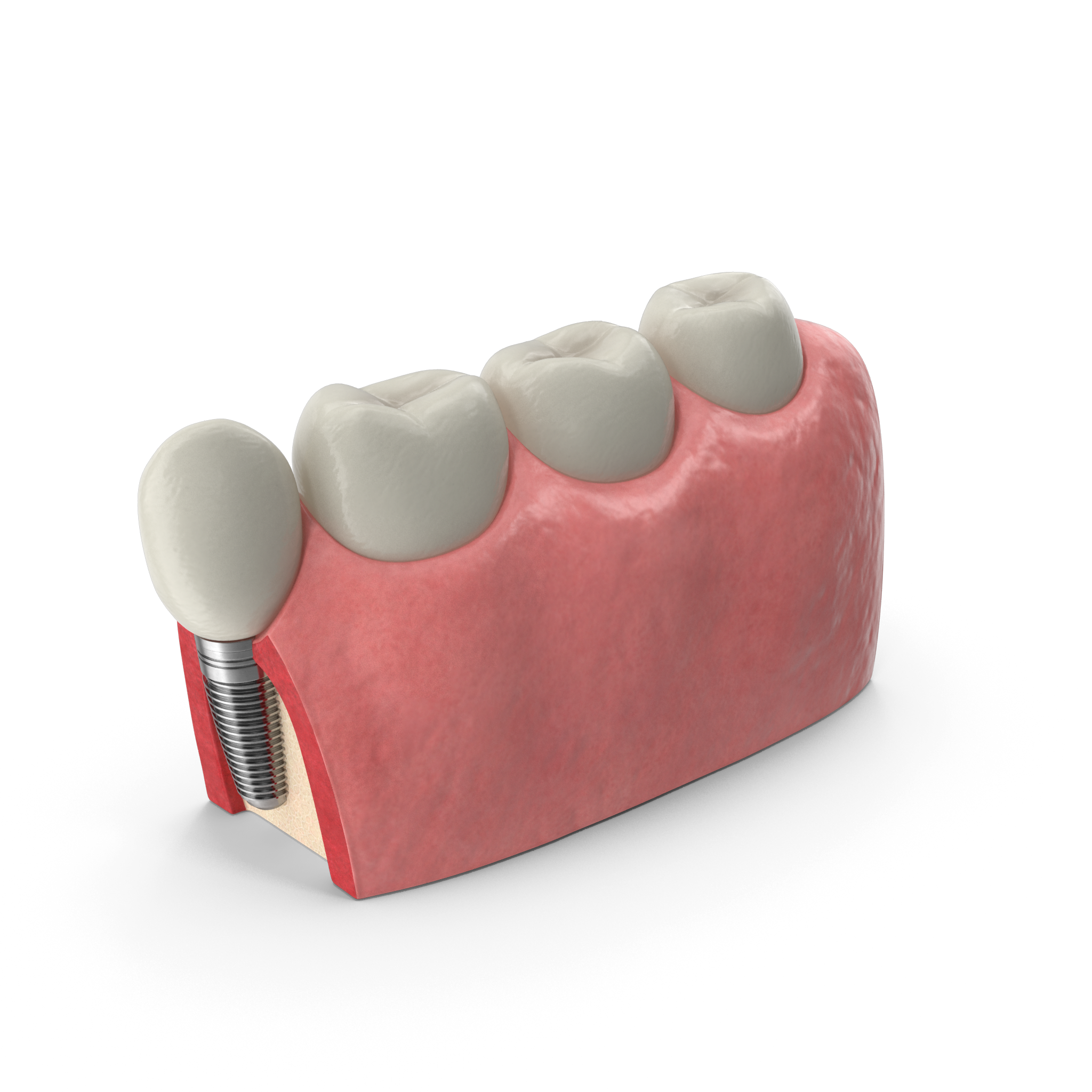
Dentures rely on suction or adhesives, resting directly on the gums. Because they fail to stimulate the underlying jawbone, the bone gradually resorbs, requiring patients to reline or replace their appliances every five to seven years. This process can eventually lead to a sunken facial appearance as the jaw structure changes over time. In contrast, dental implants utilize a titanium post that fuses with the bone, acting as an artificial root. This foundation provides stability that allows implants to last twenty years or even a lifetime with proper hygiene.
Beyond longevity, functional differences shape the patient experience. Implants remain anchored, allowing for consistent speech and the ability to chew firmer foods without the looseness often associated with traditional dentures. While implants carry a higher initial price tag, they serve to preserve bone density, potentially offsetting the need for the frequent adjustments required by removable alternatives. However, candidacy for implants depends on individual bone density and gum health, necessitating a professional evaluation to determine if preparatory procedures like bone grafting are required before moving forward.
Comments (0)
No comments yet. Be the first!