
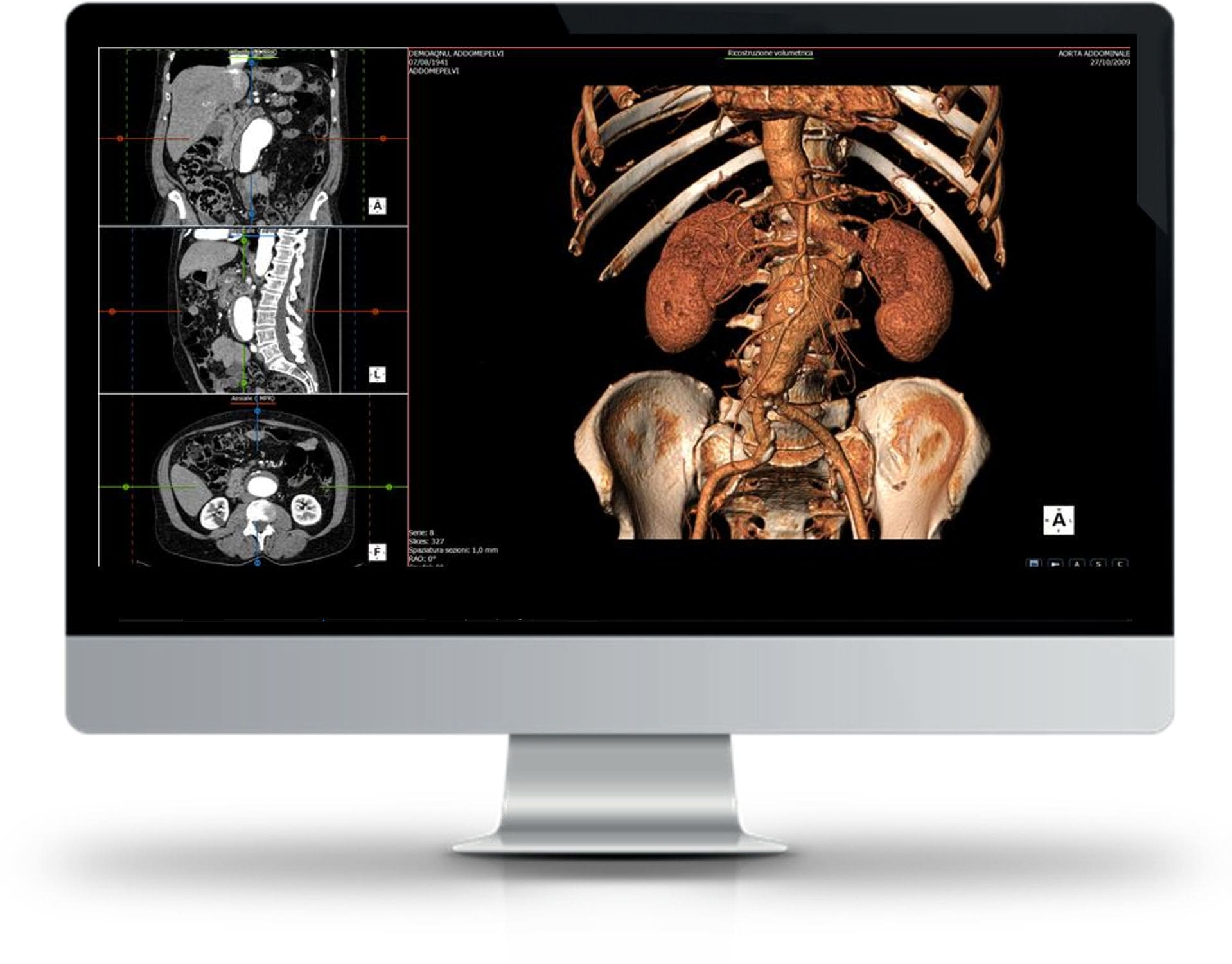
Hospitals are increasingly turning to AI-assisted detection and clinical decision support to handle the mounting complexity of CT, MRI, and mammography scans. With imaging volume in the U.S. rising by approximately 5% annually, the supply-demand gap for specialists has become a primary driver for software adoption. In January 2025 alone, the American College of Radiology recorded 1,900 job postings, underscoring the necessity for automated tools that can prioritize abnormal findings and streamline reporting.
North America currently leads the global market, accounting for a 38.4% share in 2025. This dominance is largely supported by a robust regulatory framework, with the FDA having authorized over 1,000 AI-enabled radiology devices as of early 2026. While integrated software—where AI is built directly into imaging hardware by manufacturers like Philips and GE HealthCare—holds the largest market share, AI-enabled standalone technologies are expected to see the fastest growth. Despite high validation costs and data privacy concerns, the shift toward deep learning and cloud-based platforms remains the defining trend for the next five years.
Comments (0)
No comments yet. Be the first!