
The process compresses 15,000 years of lunar geological history into a four-hour laboratory window. By ionizing helium gas and bombarding ilmenite—a mineral found in lunar soil—researchers successfully replicated the crystal lattice damage caused by solar radiation. This damage is essential for trapping volatile gases, a mechanism previously missing from commercially available test materials. When heated, the synthetic regolith released helium at temperatures identical to those observed in samples returned by Apollo missions, validating the material's authenticity for industrial testing.
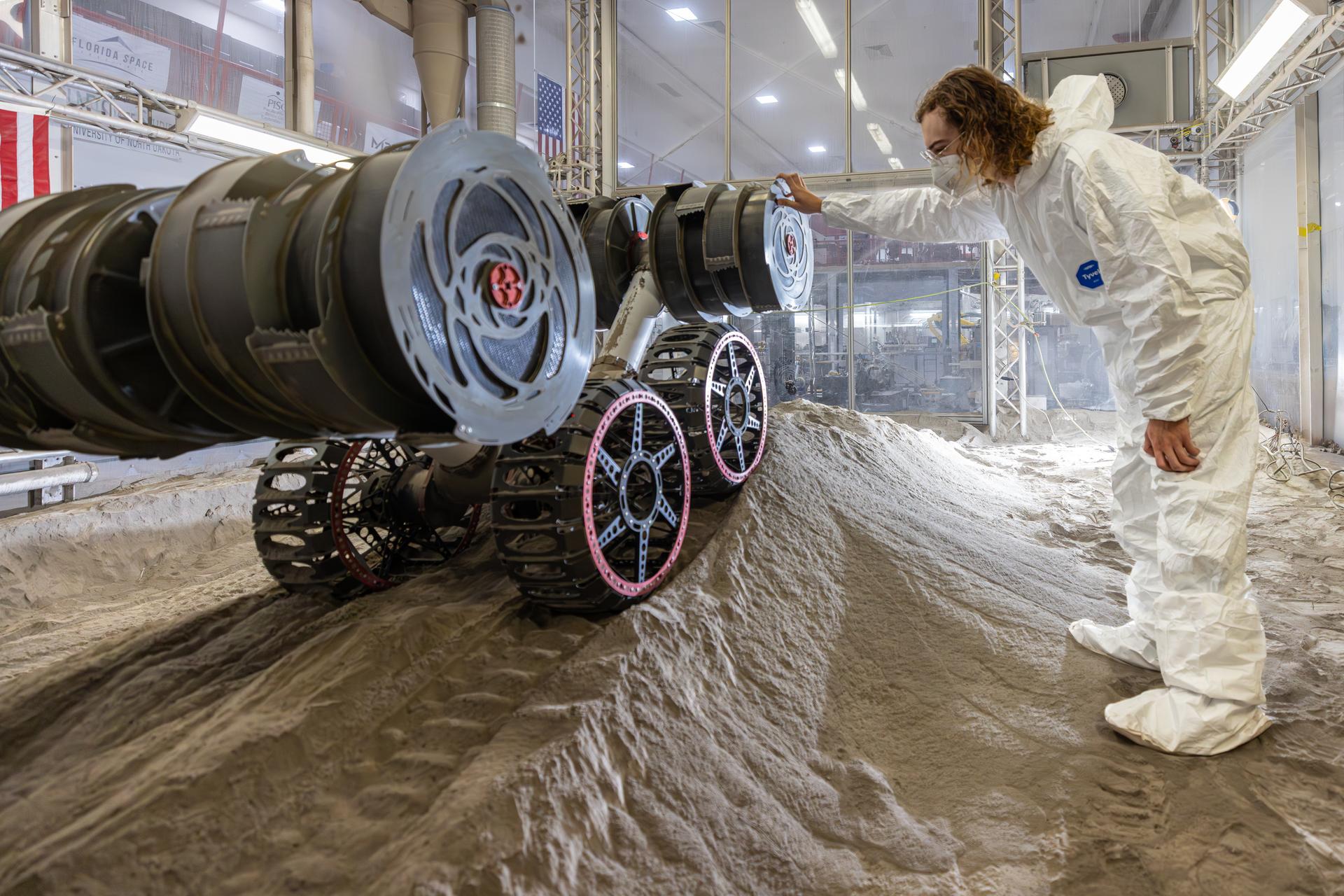
This capability addresses a major bottleneck for the space sector: the lack of representative test material. Most existing simulants lack the trapped volatiles that future lunar hardware must process. Interlune’s mechanical harvesting system, which requires up to 10 times less power than traditional thermal extraction methods, will be the first to utilize this material for performance validation. The company plans to scale production from grams to kilograms, offering the service to government agencies and private firms. Future efforts will expand to include hydrogen implantation, further refining the ability to simulate specific lunar surface conditions before hardware ever leaves the ground.
Comments (0)
No comments yet. Be the first!