
The most frequent error begins with file resolution. While images sourced from the web often suffice for digital viewing, they typically lack the necessary 300 DPI required for sharp physical prints. Submitting low-resolution files results in pixelated graphics that diminish the final product's professional appeal. Beyond resolution, neglecting to review digital proofs is a critical mistake. These previews are the last line of defense against errors in color accuracy, design placement, and sizing. Catching these discrepancies during the proofing phase is significantly more cost-effective than attempting to rectify them once production has already begun.
Material considerations also demand attention. Colors that appear vibrant on white fabric often lose contrast on darker backgrounds, sometimes requiring a white base layer or alternative ink types to maintain clarity. Furthermore, sizing consistency remains a challenge, as dimensions can fluctuate between brands and specific garment styles. Murray advises against relying on assumptions; instead, he suggests consulting size charts and requesting physical samples to guarantee comfort for team or organizational orders.
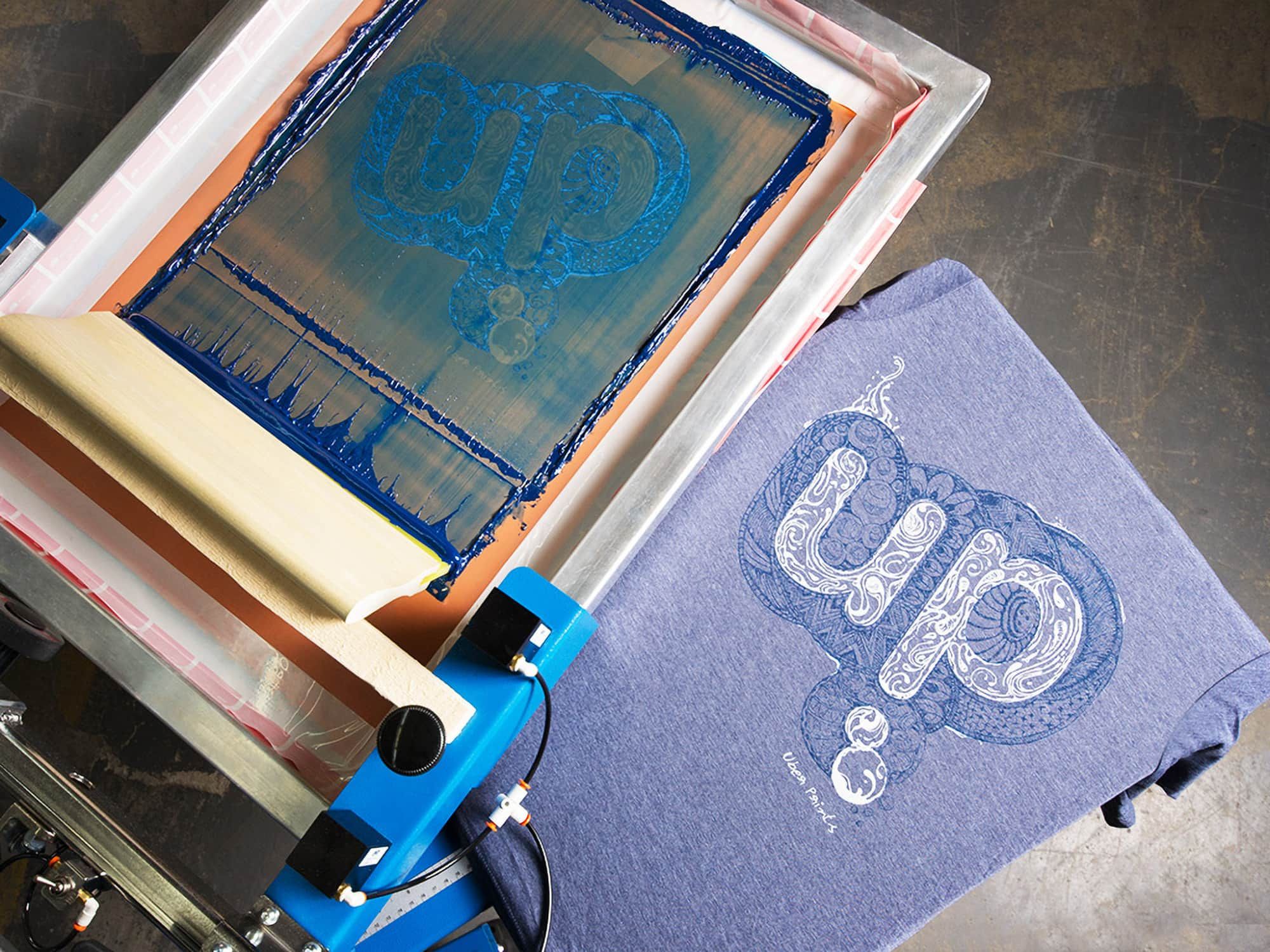
Selecting the correct printing method is equally vital. Screen printing excels for bold, high-volume projects, whereas direct-to-film applications are better suited for intricate, detailed imagery. Choosing based solely on price risks sacrificing durability and overall appearance. Engaging with printers early to discuss design behavior, such as how ink stretches or washes, allows professionals to provide technical guidance that prevents post-delivery frustration. In regions like Northeastern Pennsylvania, where local events and business promotions rely on tight production timelines, this proactive communication remains the best strategy for avoiding expensive rush fees and reprints.
Comments (0)
No comments yet. Be the first!