
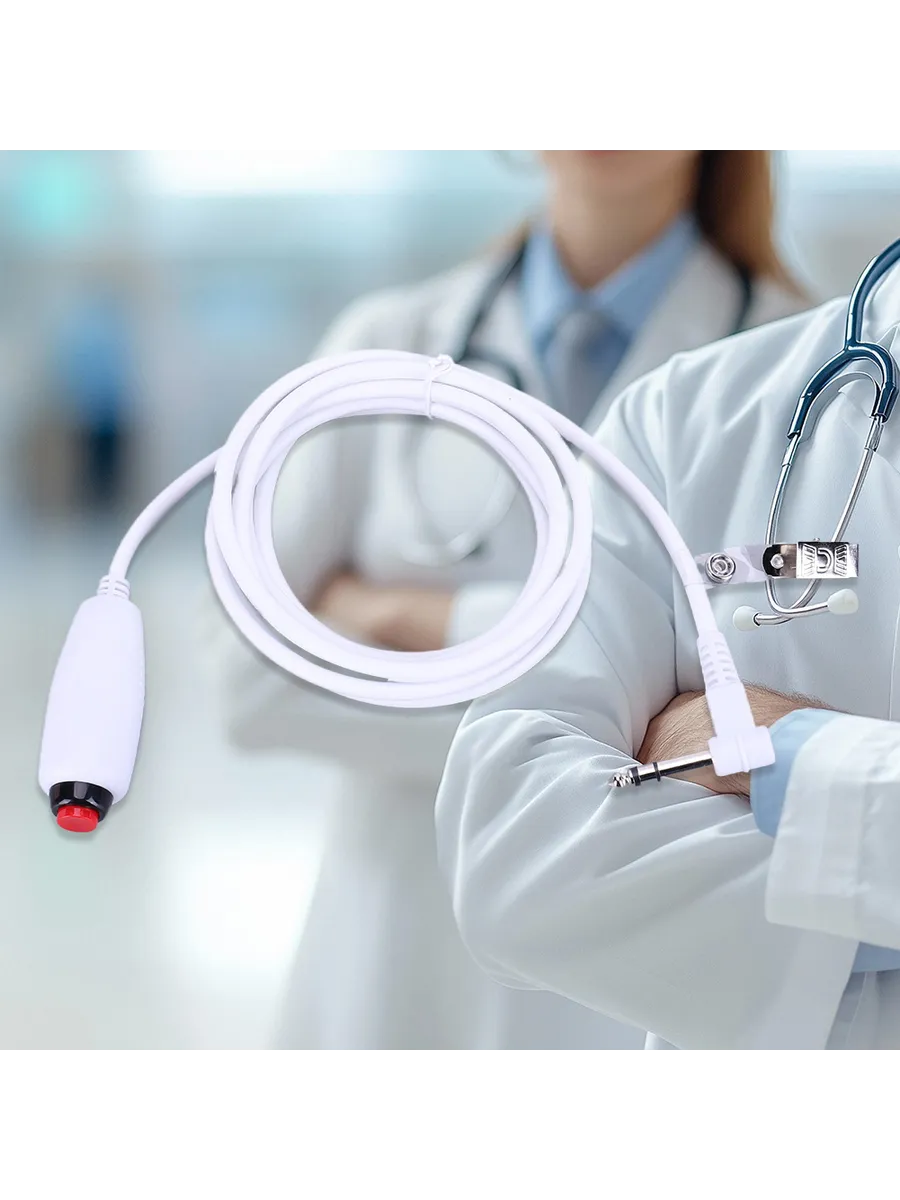
The device pairs directly with mobile platforms like iPads, iPhones, and Android tablets, utilizing a standard quarter-inch jack to interface with hospital systems. By integrating with tools such as TD Snap, Siri, or Google Voice Access, the adapter enables individuals with conditions like ALS, cerebral palsy, or high cervical spinal cord injuries to signal for help independently. Installation typically spans ten to fifteen minutes and requires no permanent modifications to facility hardware.
According to Brice Green, VP of Business Development at ASI, the design process focused on overcoming the isolation faced by those unable to operate conventional buttons. The system is currently available for hospitals, rehabilitation centers, and home care environments. ASI is showcasing the technology through August 26 at the ALS Nexus Conference in Orlando, where clinicians and caregivers can test the integration with existing safety protocols.
Comments (0)
No comments yet. Be the first!