
Running toilets remain the most common offender. A worn flapper valve or faulty fill mechanism can trigger a constant, silent cycle of water moving from the tank to the bowl, wasting hundreds of gallons daily. Because the sound is easily missed, many residents remain unaware of the issue until a bill arrives showing a two or threefold increase.
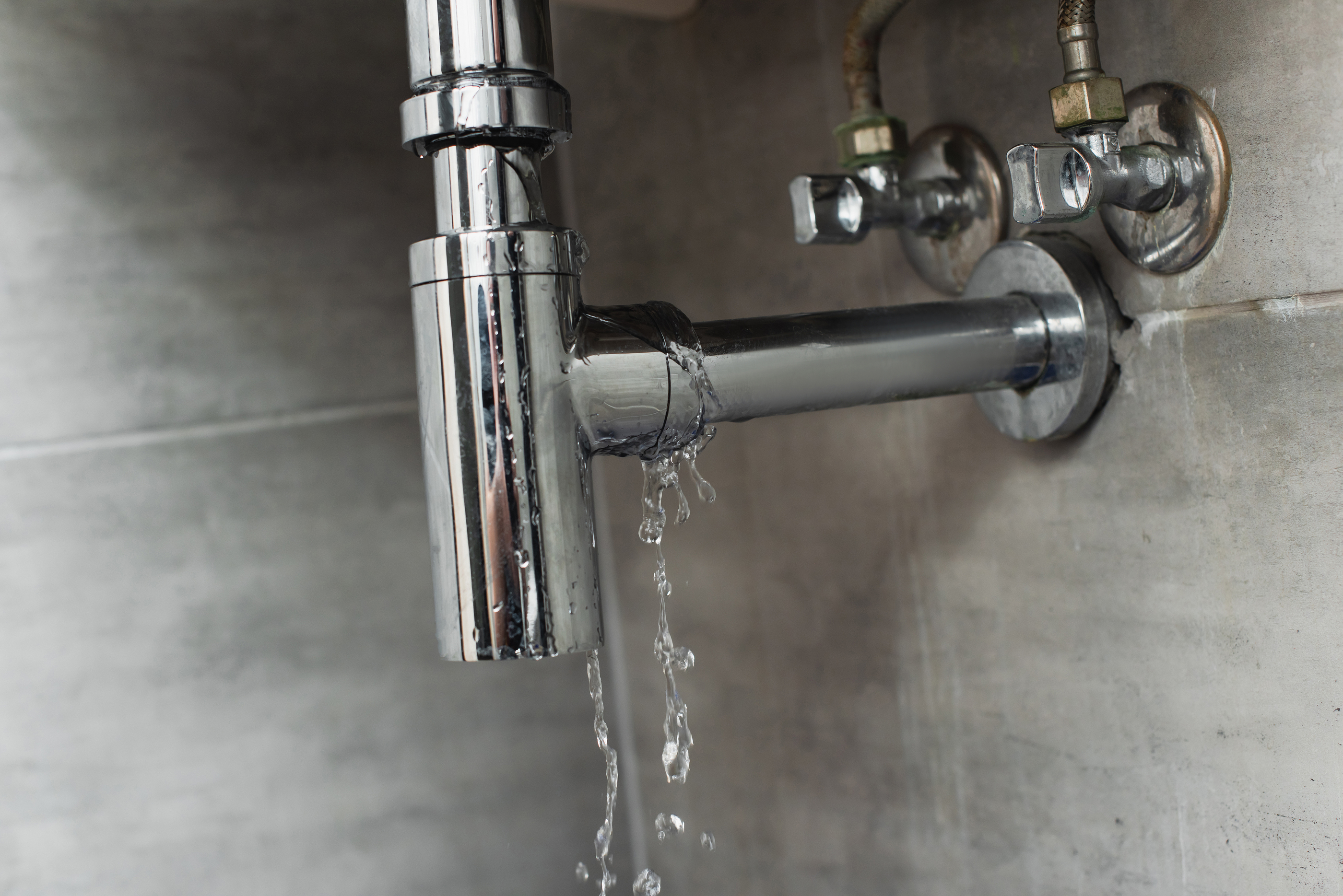
Visible drips from faucets are equally deceptive. While a single slow drip appears manageable, the cumulative loss across multiple home fixtures adds up to significant monthly waste. Far more dangerous are leaks concealed behind walls or beneath floors. These failures often go undetected until they manifest as musty odors, damp spots, or structural rot. Similarly, outdoor irrigation systems and water heaters can develop slow, subterranean leaks that vanish into the soil without ever forming a surface puddle.
Martin suggests a simple diagnostic test to isolate these problems. By shutting off all water-using appliances and observing the water meter, homeowners can determine if their system is actively losing water. If the meter continues to spin, a leak is present. While some issues require professional diagnostic tools like moisture meters or pressure testing, proactive maintenance—such as replacing aging toilet components and inspecting exposed pipes—remains the most effective defense against utility spikes.
Comments (0)
No comments yet. Be the first!