
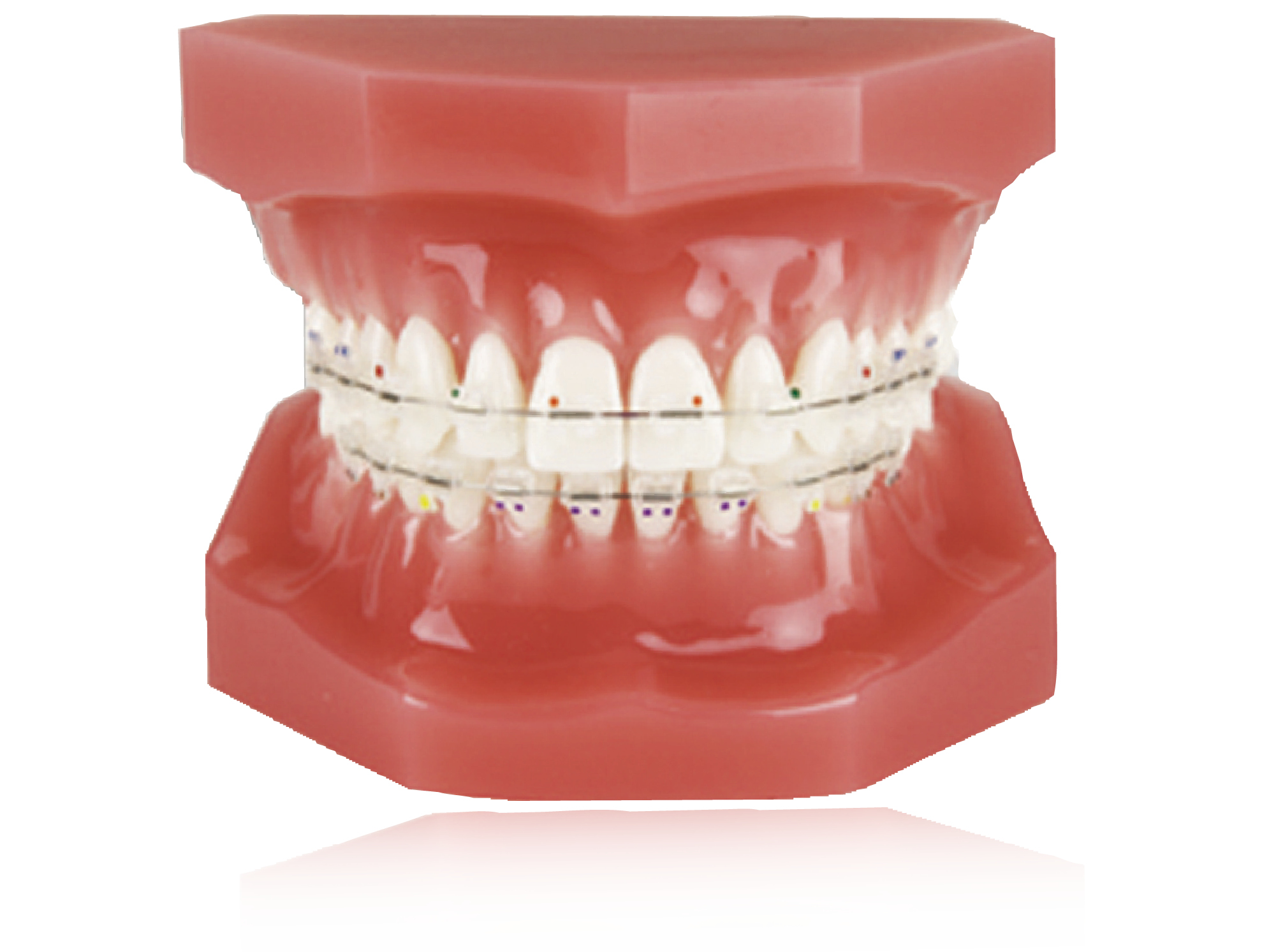
The study, published in the Journal of Clinical Medicine, highlights that inadequate upper jaw growth often triggers a cascade of physical complications. When the maxilla fails to develop properly, the nasal floor can tilt, leading to nasal septum deviation and persistent breathing difficulties. Rather than being an isolated evolutionary trend, this maxillary constriction is increasingly viewed as a developmental issue exacerbated by modern environmental factors, including shifts in diet and chronic childhood conditions like enlarged tonsils or allergies.
This structural interplay creates a feedback loop where impaired nasal airways force chronic mouth breathing, which in turn further stunts jaw development. CTOR scientists have also identified that chewing forces play an unexpected role in skeletal integrity. Research in the European Journal of Medical Research suggests that when incisor bite forces are absent—such as in open-bite cases—the protective nasal septum cartilage prematurely converts to bone, weakening the skull's ability to absorb mechanical stress.
These findings emphasize that orthodontic intervention is not merely cosmetic. Early diagnosis and the use of orthopedic appliances, such as maxillary expanders, can restore normal jaw width and prevent the long-term health consequences of airway obstruction. By addressing these developmental imbalances early in childhood, clinicians can effectively break the cycle of poor sleep quality, facial asymmetry, and impaired dental function.
Comments (0)
No comments yet. Be the first!