
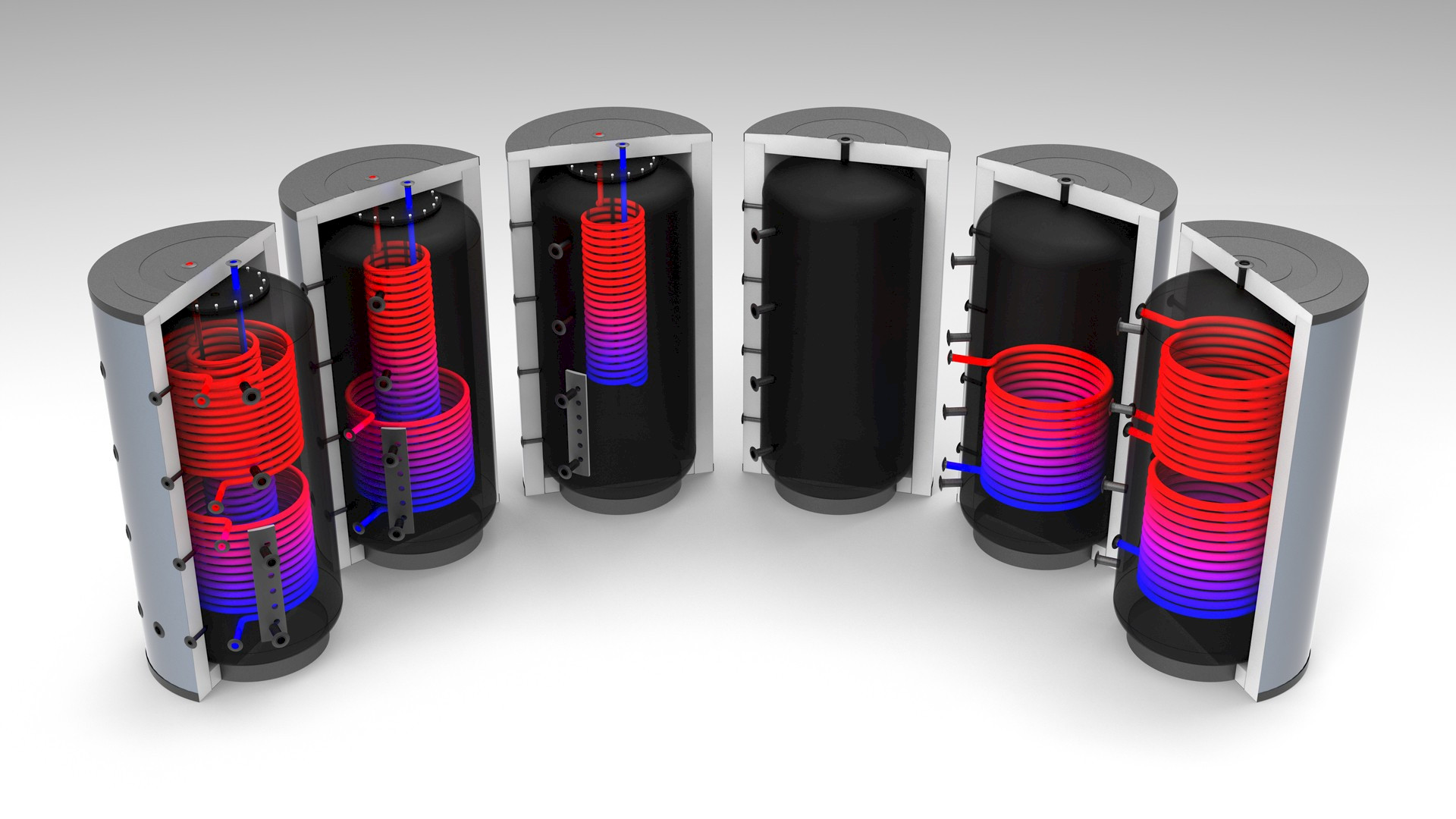
Traditional computational fluid dynamics simulations often struggle with the time-intensive nature of modeling complex heat-transfer processes. The new hybrid framework addresses this by embedding physical laws directly into an AI model, allowing it to function as a digital twin capable of evaluating tens of thousands of design variations in a fraction of the time required by standard methods.
To build the system, researchers utilized 15 high-fidelity datasets derived from laboratory experiments and validated fluid dynamic models. By integrating this data with a Non-dominated Sorting Genetic Algorithm II, the team successfully identified optimized configurations that balance heat discharge and pumping power. These findings, published in the Journal of Energy Storage, indicate that flattened pipe geometries perform significantly better than conventional designs. Beyond building infrastructure, this technology offers broad utility for thermal management in electric vehicle batteries, data centers, and industrial cold-chain logistics.
Comments (0)
No comments yet. Be the first!