
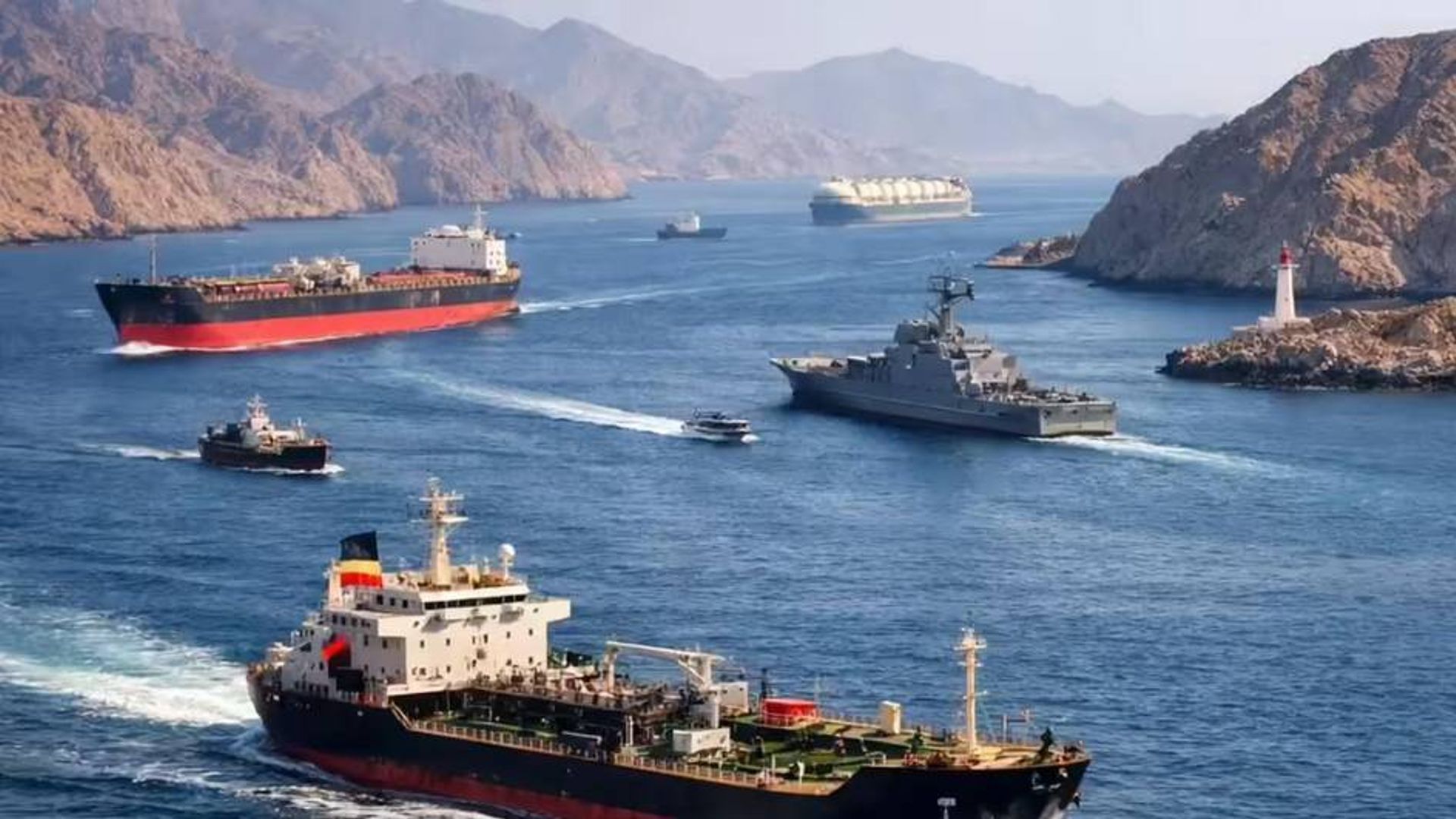
Shipping data from Kpler indicates a stark drop from the recent 10-day average of 11 ships. Of the six vessels recorded, four moved inbound toward the Persian Gulf while two exited. Bloomberg’s tracking suggests an even tighter margin, counting only five total commercial crossings for the day. These movements included empty product tankers entering the gulf, alongside a small LNG carrier and a fuel tanker departing with energy supplies.
The decline follows the disintegration of a tentative memorandum of understanding between the U.S. and Iran, which had briefly bolstered traffic throughout June and early July. Security concerns have since escalated, driven by Iran’s increased efforts to exert control over transit and persistent Houthi threats against shipping lanes. While traffic through the Bab el-Mandeb strait remains stable at roughly 24 vessels per day, the situation at Hormuz is increasingly precarious.
Bank of America analysts suggest the current throughput is insufficient to maintain market stability. Francisco Blanch, the firm’s head of commodities and derivatives research, noted that daily transits have collapsed to between 5 and 10 ships, a fraction of the roughly 140 vessels that passed through daily prior to the conflict. Achieving pre-war stability would require a massive recovery to nearly 100 ships per day, a target that appears increasingly distant as regional tensions harden.
Comments (0)
No comments yet. Be the first!